
30-Second Chair Test: A Key Indicator of Health and Longevity
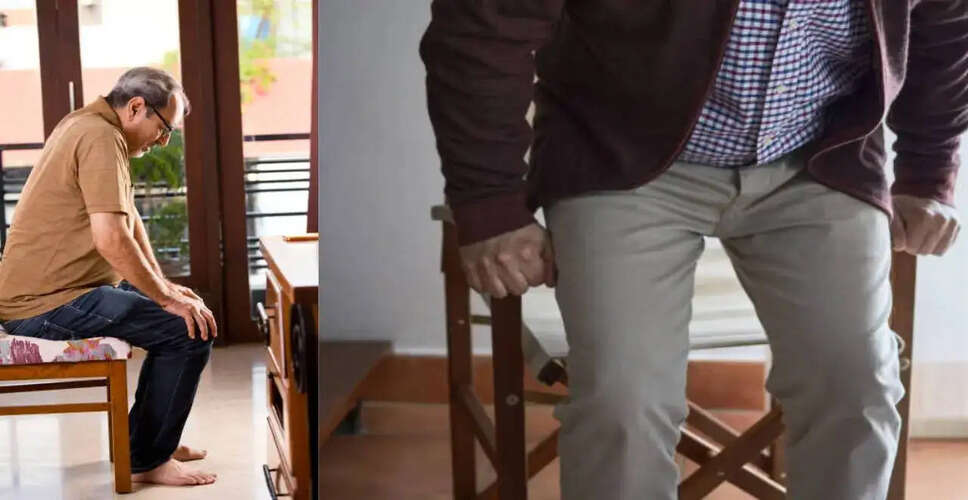

Understanding the 30-Second Sit-to-Stand Test
A quick chair test lasting just half a minute could reveal significant insights into your health, strength, and potential risk of premature death. Recent research indicates that the ability of older adults to repeatedly sit down and rise from a chair may serve as a predictor for longevity, fracture susceptibility, and hospitalization likelihood. This study, featured in the Journal of Sport and Health Science, underscores the increasing significance of muscle power and mobility as vital markers of healthy aging.
What Does the Test Involve?
The procedure is simple: participants are required to sit on a chair and stand up and sit back down as many times as they can within a 30-second timeframe. The research involved 1,876 adults aged 65 and above, measuring their 'sit-to-stand power'—a crucial indicator of lower body strength and physical capability. By combining the number of repetitions with factors such as body weight, height, and chair height, researchers calculated power output in watts per kilogram of body weight. The findings were notable; older adults exhibiting low sit-to-stand power had a significantly elevated risk of mortality from various causes compared to those with normal strength levels.
Increased Risks for Women
The research highlighted that women with low sit-to-stand scores were nearly twice as likely to die during the study period, while men faced a 57% higher risk of mortality. Benchmark scores for healthy muscle power were established as follows:
- Men: 2.53 watts per kilogram
- Women: 2.01 watts per kilogram
Alarmingly, about 57% of participants fell below these healthy benchmarks. Experts warn that low muscle power is becoming increasingly prevalent among older adults, potentially more so than age-related muscle loss, known as sarcopenia.
Muscle Strength and Bone Health Connection
The study also uncovered a significant relationship between muscle power, falls, and fractures. Women with low sit-to-stand power were over three times more likely to have experienced a hip fracture in the past year compared to those with normal scores. Hip fractures are among the most severe injuries for older adults, greatly affecting their independence and quality of life. In men, low muscle power correlated more with falls and fractures throughout the body rather than specifically hip injuries. Researchers suggest that hormonal changes post-menopause may contribute to women's increased vulnerability to hip injuries due to reduced bone density.
Enhancing Muscle Strength and Mobility
Health professionals emphasize that muscle strength can be improved at any age through consistent movement and resistance training. The NHS recommends engaging in strength-building activities at least twice a week, which may include:
- Squats and lunges
- Stair climbing
- Resistance band exercises
- Weight training
- Cycling
- Yoga
- Dancing
- Gardening and digging
Additionally, adults should aim for at least 150 minutes of moderate cardio exercise weekly.
Importance of These Tests
Healthcare providers assert that these straightforward movement-based assessments are crucial as they can detect subtle declines in physical function before significant health issues arise. Maintaining lower body strength is vital for balance, independence, mobility, and preventing hazardous falls. As individuals age, preserving muscle power may be as critical as monitoring blood pressure, cholesterol levels, or heart health.