
10 Indoor Mistakes to Avoid During Extreme Heatwaves

Understanding Indoor Heat Risks
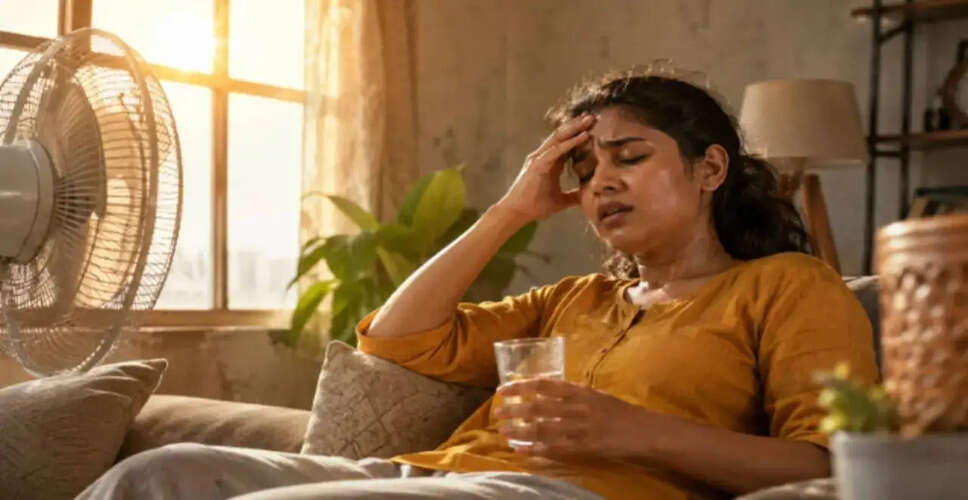
As temperatures rise across India, health professionals are cautioning that heatstroke is not solely an outdoor concern. Many individuals believe that remaining indoors offers complete protection from extreme heat; however, doctors warn that certain common household practices can inadvertently heighten the risk of dehydration, heat exhaustion, and even severe heatstroke. During intense heatwaves, inadequate ventilation, insufficient hydration, and unsafe cooling methods can trap heat within the body, particularly in densely populated urban residences. Public health experts highlight that exposure to indoor heat has become an increasing issue during Indian summers, especially for vulnerable groups such as children, the elderly, pregnant women, and individuals with chronic health conditions. Here are ten hazardous indoor habits to avoid this summer.
1. Keeping Rooms Closed All Day
Many people tend to shut windows and doors during the hottest parts of the day, but this can lead to a rapid increase in indoor temperatures due to poor airflow. Stagnant air and humidity can make it difficult for the body to cool down naturally.
2. Relying Solely on Fans
While fans can provide some relief, they may circulate warm air during extreme heat, failing to cool the body effectively. Experts suggest using fans in conjunction with hydration, cool baths, or air conditioning when possible.
3. Not Drinking Water Until Thirsty
One common mistake is waiting until feeling thirsty to drink water. By that time, mild dehydration may have already set in. Health professionals recommend drinking water consistently throughout the day, especially indoors where people often forget they are sweating.
4. Neglecting Salt and Electrolytes
Excessive sweating can lead to a loss of sodium and essential minerals. Simply drinking plain water without replenishing electrolytes can result in increased weakness, dizziness, headaches, and muscle cramps during heatwaves.
5. Sleeping in Poorly Ventilated Rooms
Nighttime heat can be particularly hazardous as the body struggles to recover from daytime exposure. Sleeping in closed rooms without proper ventilation can elevate the risk of heat exhaustion, disrupted sleep, rapid heartbeat, and fatigue.
6. Cooking for Extended Periods in Hot Kitchens
Cooking indoors can significantly raise temperatures in the kitchen. Individuals, especially women and elderly family members, who spend long hours near stoves may experience prolonged heat exposure, dehydration, and fatigue without realizing it.
7. Wearing Tight or Synthetic Clothing Indoors
Heavy fabrics and tight clothing can trap body heat and hinder sweat evaporation. Opting for lightweight cotton clothing can help the body cool down naturally during extreme summer conditions.
8. Ignoring Early Warning Signs
Many individuals overlook symptoms such as unusual fatigue, irritability, headaches, nausea, excessive sweating, or confusion, dismissing them as typical summer tiredness. However, these can be early indicators of heat exhaustion that may escalate to heatstroke if not addressed.
9. Consuming Excessive Tea, Coffee, or Alcohol
Drinks containing caffeine and alcohol can contribute to dehydration during extreme heat. Health experts advise balancing these beverages with sufficient water and electrolyte intake.
10. Leaving Vulnerable Individuals in Hot Rooms
Children and older adults are particularly susceptible to indoor heat stress due to their bodies' less efficient temperature regulation. Rooms lacking cooling, ventilation, or hydration can quickly become hazardous during heatwaves. Doctors warn that heatstroke can occur even without direct sunlight exposure if body temperature rises too quickly. Severe heat illness warning signs include confusion, fainting, dry skin, rapid pulse, difficulty breathing, and extremely high body temperature. As India faces increasingly severe summers, experts emphasize that heat safety must begin indoors, not just outside.