
Harnessing the Benefits of Jamun Wood for Water Purification

The Advantages of Using Jamun Wood in Water Storage
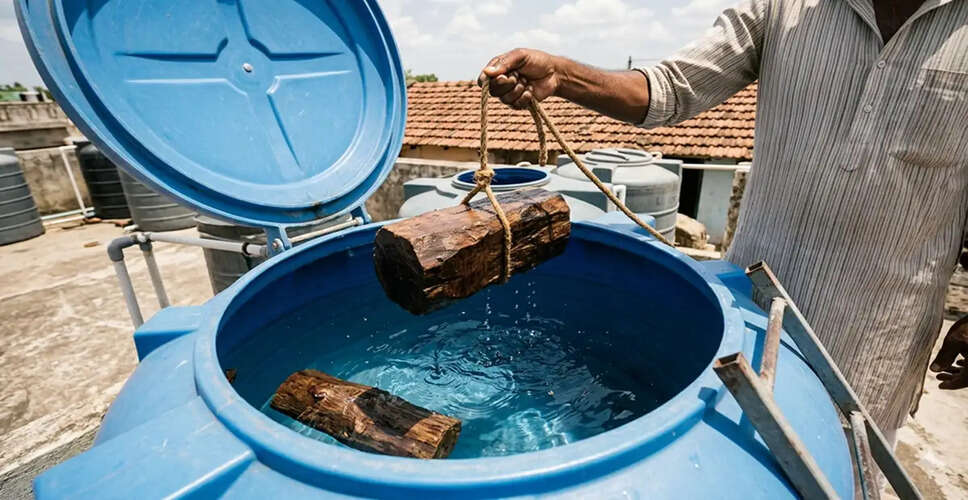
Understanding the Benefits of Jamun Wood: As the summer heat intensifies, water stored in rooftop plastic tanks can become excessively hot. This not only raises the temperature of the water but also leads to problems like algae growth and unpleasant odors. Recently, a local hack involving the use of Jamun wood in water tanks has gained popularity on social media. Have you ever considered why older generations recommended placing Jamun wood in wells and ponds? This practice is rooted in Ayurveda and traditional water management techniques, rather than being mere folklore. Let’s delve into the advantages of this traditional method and how to implement it effectively.
This practice is rooted in Ayurveda and traditional water management techniques, rather than being mere folklore.
Why Choose Jamun Wood?
Jamun wood is known for its water-resistant properties. Unlike other woods that quickly decay when submerged, Jamun wood can last for years in water. Historically, a circular structure made from Jamun wood, referred to as a 'Nem', was placed at the bottom of wells. This wood not only preserves the water but also purifies it naturally.
Key Advantages of This Traditional Method
1. Natural Antibacterial Qualities: Jamun wood contains natural compounds that prevent the growth of bacteria and microorganisms in water, acting as a natural purifier and keeping the water clean for longer periods.
2. Algae Prevention: Sunlight exposure can lead to green algae growth in plastic tanks, which may clog pipes. Jamun wood helps maintain a balanced pH level, significantly reducing algae formation on the tank's walls.
3. Naturally Cooling Water: Rooftop water tanks can heat up significantly during summer. Jamun wood has the ability to keep water cooler, lowering its temperature by a few degrees, which is beneficial for bathing or washing.
4. Odor and Heaviness Reduction: Water in tanks often develops a heavy feel or a chlorine-like smell. Jamun wood aids in settling impurities, ensuring that the surface water remains clean and odor-free.
How to Use Jamun Wood Effectively:
- Start by obtaining a thick, dry branch or log of Jamun wood.
- Clean the wood thoroughly to eliminate any dirt or grime. (Ensure it is free from paint or polish.)
- Place the wood directly into your water tank. If you want it to float, you can tie it to the tank lid with a rope.
- It’s advisable to replace the wood with a new piece once a year.
In a time when we often depend on costly water filters and chemical treatments, this simple piece of Jamun wood connects us back to nature. It is not only cost-effective but also environmentally friendly. This summer, consider utilizing this ancient Indian practice by adding a piece of Jamun wood to your rooftop water tank.
PC Social Media