
Guidelines from Garuda Purana on Handling Belongings After a Loss

Understanding Garuda Purana's Guidance
Garuda Purana Guidelines: Coping with the loss of a family member is not just about managing grief; it also involves making decisions about their possessions. Items like clothing, watches, bedding, or small keepsakes can trigger intense emotions. This raises a common dilemma: Should these belongings be kept or given away? Hindu customs, particularly those found in the *Garuda Purana*, provide specific advice on this matter.
Properly handling the belongings of a deceased person is believed to not only bring peace to their spirit but also protect the living from negative psychological effects. This tradition is rooted in both faith and a deep understanding of human psychology.
Insights from the Garuda Purana
**What Guidance Does the Garuda Purana Provide?**
The *Garuda Purana* elaborates on life after death, detailing rituals and rules for managing a deceased person's belongings. It emphasizes that every item retains a fragment of the individual's energy and emotional ties, making it essential to detach from these possessions appropriately.
Jewelry: To Keep or Not?
**1. Jewelry Preservation:**
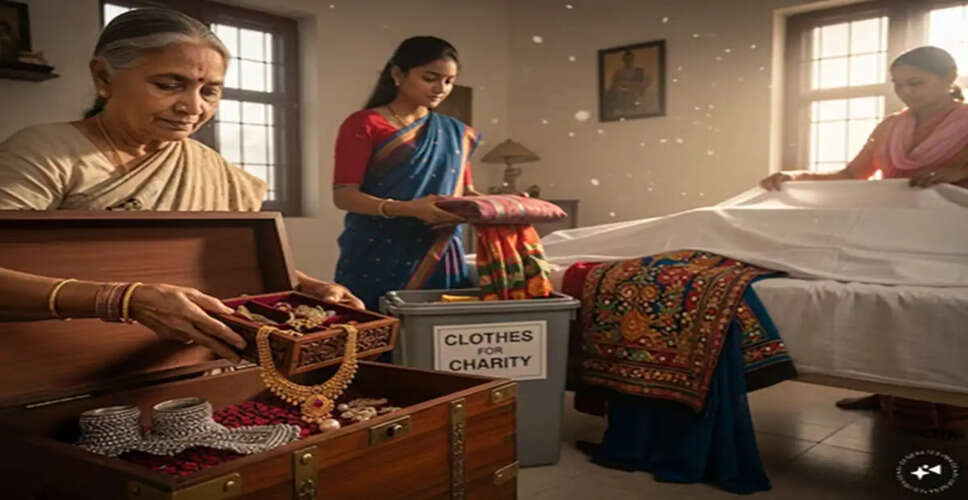
It is customary for families to keep a deceased loved one’s jewelry for sentimental value. However, wearing these items is discouraged, as they may amplify the departed soul's connection to the physical realm. Thus, it is wise to store such jewelry securely without using it regularly.
Clothing Decisions
**2. Handling Clothing:**
Clothing is deeply personal and intertwined with memories. Wearing the clothes of someone who has passed may allow their residual energy to affect the wearer. Therefore, donating these garments to those in need is seen as the most respectful and beneficial choice. In many rural areas, it is still customary to donate the deceased's clothing after the *Terahvi* ceremony, which helps provide comfort to the grieving family.
Personal Items and Their Impact
**3. Disposing of Personal Effects:**
Items like watches, combs, and razors are closely tied to the deceased's personal energy. It is advisable to avoid using these items, opting instead to donate or discard them to prevent any lingering emotional impact.
Bedding and Everyday Items
**4. Managing Bedding and Daily Items:**
Keeping the deceased's bedding and everyday items for too long can weigh heavily on the emotional atmosphere of the home. Donating these items not only aids those in need but also helps restore a sense of normalcy within the household, often viewed as a fresh start.
Religious Items and Their Significance
**5. Handling Horoscopes and Religious Items:**
Instead of retaining the deceased's horoscope at home, it is more appropriate to place it in a temple or immerse it in a sacred river, symbolizing the closure of a life chapter.
The Practical Wisdom Behind These Traditions
The Wisdom Behind the Tradition
These guidelines are not solely religious; they are also practical. Letting go of a loved one’s belongings is challenging, but gradually donating or parting with them facilitates healing.
This process encourages emotional strength and allows for the respectful remembrance of cherished memories.
While making decisions about a deceased person's belongings is difficult, the *Garuda Purana* provides a thoughtful approach that balances faith with practical wisdom.
Social Media
PC Social Media