
Guide to Observing Solah Somwar Vrat in 2026
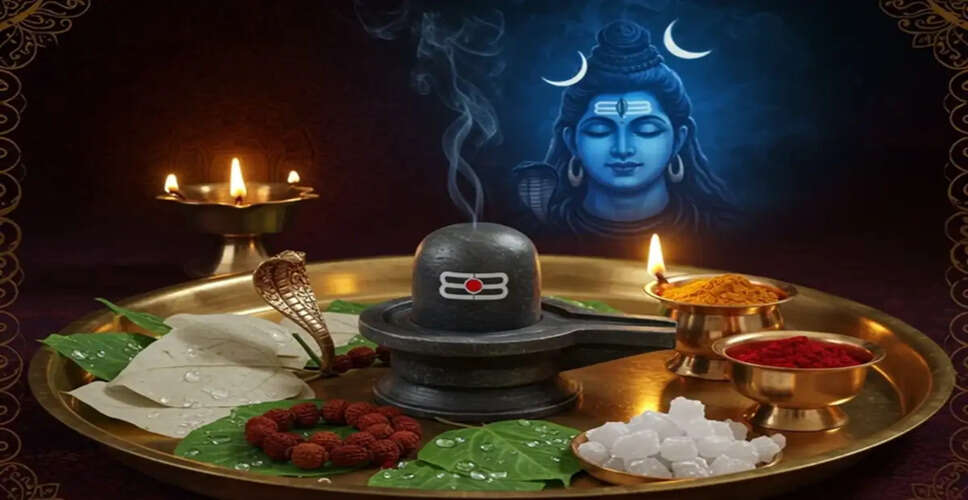

Introduction to Solah Somwar Vrat 2026
Solah Somwar Vrat 2026: The 'Solah Somwar Vrat', which translates to Sixteen Mondays Fast, is a significant observance dedicated to Lord Shiva. This fasting period begins on the first Monday of the Shravan month (Sawan). It is widely believed that by adhering to this fast and performing rituals dedicated to Lord Shiva for sixteen consecutive Mondays, devotees can invoke the divine blessings of Lord Bholenath. This fast is particularly aimed at fulfilling personal desires, ensuring marital happiness, finding a compatible partner, receiving blessings for children, and promoting family welfare. The Shiva Purana emphasizes that following specific guidelines regarding offerings, including *prasad*, lamps, fruits, flowers, and other worship materials, is essential for maximizing the benefits of this observance. Let’s explore the rules associated with the Solah Somwar Vrat...
Making the Vow (Sankalp) for Solah Somwar Vrat
**How to Make the Vow (Sankalp) for Solah Somwar Vrat**
Devotees are encouraged to make a solemn vow (*sankalp*) before starting the fast. This involves waking up during the auspicious *Brahma Muhurta*, taking a bath, and meditating. Standing before Lord Shiva with water, *Belpatra* (wood apple leaves), *Akshat* (unbroken rice), and flowers, one should pledge to observe the fast for sixteen consecutive Mondays with sincerity and devotion, seeking strength from the Lord to fulfill this commitment. It is also important to ask for forgiveness for any potential errors during the observance. Scriptures highlight that this formal vow should precede the commencement of the Solah Somwar Vrat.
Rituals for Solah Somwar Vrat
**Solah Somwar Vrat Rituals**
To properly observe the Solah Somwar Vrat, devotees should wake up during *Brahma Muhurta*, take a bath, meditate, and wear clean or white attire. A visit to a nearby Shiva temple is essential, where one should perform *Abhishek* (ritual bathing) of the *Shivling* using Ganga water followed by pure water. This is then complemented by an *Abhishek* with *Panchamrit* (a blend of milk, curd, honey, ghee, and sugar). After the *Abhishek*, offerings of *Belpatra*, *Dhatura*, *Aak* flowers, white flowers, *Bhasma* (sacred ash), sandalwood paste, and seasonal fruits should be made. It is customary to light five *desi* ghee lamps before Lord Shiva, ensuring they remain lit throughout the worship. Following this, incense and *agarbatti* (incense sticks) should be offered, and the mantra "Om Namah Shivaya" should be chanted at least 108 times. Reciting the *Shiv Chalisa*, *Rudrashtakam*, or the *Solah Somwar Vrat Katha* (the narrative associated with the sixteen-Monday fast) is also highly beneficial.
Significance of Prasad in Solah Somwar Vrat
**Prasad for the Solah Somwar Vrat**
The *Prasad* (offering) plays a crucial role in the Solah Somwar Vrat, traditionally divided into three equal portions. The first portion is given to a cow, the second to family members, and the third is consumed by the devotee. This practice is believed to ensure that the offering reaches all deities and brings spiritual merit. Observing celibacy during the fast and performing worship both in the morning and during the *Pradosh Kaal* (the auspicious twilight period) is essential.
Concluding the Solah Somwar Vrat
**Concluding the Solah Somwar Vrat (Udyapan)**
Upon completing the sixteen Mondays, the final ritual (*Udyapan*) is conducted with appropriate rites on the seventeenth Monday, marking the completion of the fast. Scholars suggest that it is auspicious to finish the *Udyapan* by 11:00 AM. On this day, worship should be performed according to the prescribed rituals, including *Havan* (sacred fire ritual) and *Tarpan* (offering water to ancestors/deities). Following this, a meal should be arranged for Brahmins, and blessings should be sought by offering *Dakshina* (ritual honorarium). This signifies the conclusion of the *Solah Somwar Vrat*.
Important Points for Solah Somwar Vrat
**Points to Remember for the Solah Somwar Vrat**
While worshipping Lord Shiva, it is advised not to offer *Ketaki* flowers, *Tulsi* leaves, turmeric, or vermilion (*Sindoor*). The *Belpatra* (Aegle marmelos leaf) used should always be fresh, clean, and consist of three leaflets. At the end of the worship, perform the *Aarti* of Lord Shiva and Goddess Parvati, and distribute the *Prasad* among family members and other devotees. Observing the *Solah Somwar Vrat* with dedication, restraint, and adherence to the rules is believed to please Lord Shiva, fulfilling the devotee's wishes and bestowing blessings of happiness, prosperity, and peace in life.
Sawan Somvar Vrat Dates 2026
**Sawan Somvar Vrat Dates 2026**
First Sawan Monday: 3 August 2026
Second Sawan Monday: 10 August 2026
Third Sawan Monday: 17 August 2026
Fourth Sawan Monday: 24 August 2026
Social Media
PC Social Media