
Government Launches HPV Vaccine Initiative for 14-Year-Old Girls in India
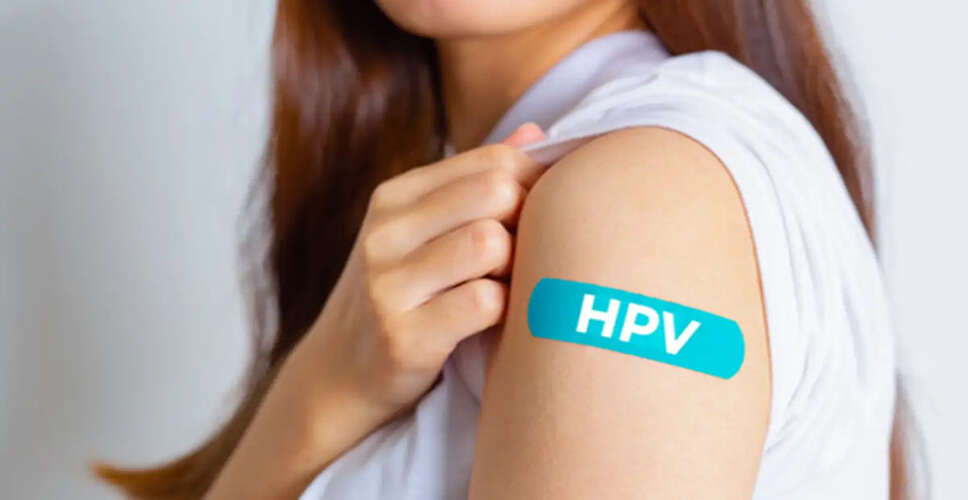
HPV Vaccine Initiative for Young Girls
HPV Vaccine for 14-Year-Old Girls: In a significant move to enhance women's health in India, the central government has initiated a campaign to administer the HPV vaccine to girls aged 14. This groundbreaking program will offer a single dose of the Gardasil-4 vaccine, which is designed to protect against the primary causes of cervical cancer. Cervical cancer, a serious illness affecting the cervix, is mainly triggered by the human papillomavirus (HPV).
Human papillomavirus is a prevalent viral infection impacting skin and mucous membranes, with over 200 identified types. This virus is responsible for 99% of cervical cancer cases and is primarily transmitted through physical contact. If the immune system does not eliminate the virus, it can lead to abnormal cervical cell changes, ultimately resulting in cancer.
A study from the United States indicates that early vaccination can lower cancer risk by as much as 90%. Cervical cancer ranks as the second most common cancer among women in India; however, it is entirely preventable through timely screening and vaccination. This government initiative is expected to be a pivotal step in safeguarding adolescent girls against a significant health threat in the future.
Identifying High-Risk Groups for Cervical Cancer
Reports indicate that women with compromised immune systems face the highest risk of developing cervical cancer. When a woman's immunity is weakened, her likelihood of contracting cervical cancer increases significantly upon exposure to the HPV virus.
Moreover, women who marry and give birth at a young age, use birth control pills for extended periods, or smoke are also at a considerably elevated risk compared to others.
Recognizing Symptoms and Importance of Screening
Cervical cancer is often referred to as the "silent killer" due to the lack of obvious symptoms in its early stages. However, signs such as abnormal bleeding, pelvic pain, and discomfort during intercourse may indicate its presence. Medical professionals advise that women over 30 should undergo regular Pap smears and HPV tests to detect any early changes.
Mechanism of Vaccine Protection
Vaccines like Gardasil-4 help the immune system combat the HPV virus. The central government's emphasis on vaccinating girls under 14 is based on the fact that the vaccine elicits the most robust immune response at a younger age. Administering the vaccine before infection allows the body to produce strong antibodies against cancer-causing strains, ensuring long-lasting protection.
Promoting Awareness and Timely Intervention
With the rising rates of cervical cancer, awareness serves as the best preventive measure. The vaccination campaign launched by the central government represents a significant investment in the future health of the nation's daughters. Numerous studies have demonstrated that maintaining hygiene, leading a balanced lifestyle, and receiving timely vaccinations are the most effective strategies to combat this deadly disease.
PC Social Media