
Gangasagar Mela 2027: A Spiritual Journey Awaits

Overview of Gangasagar Mela
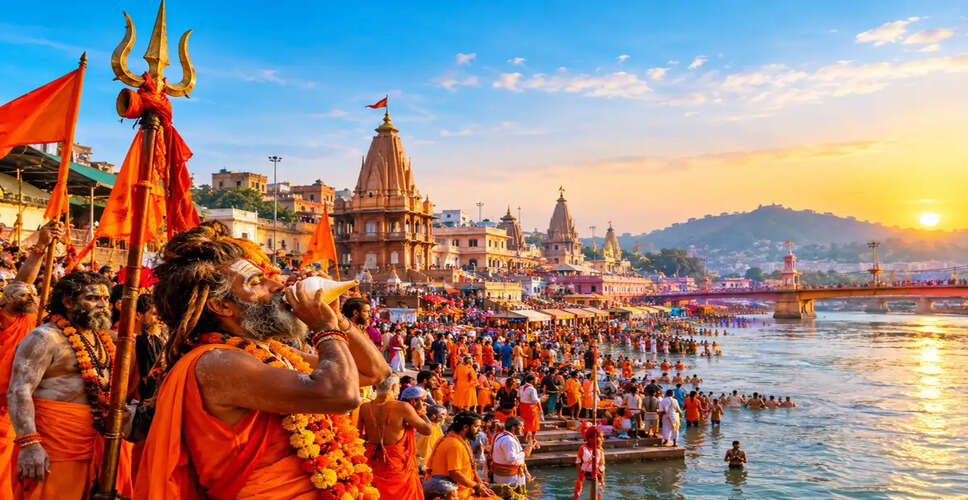
Gangasagar Mela 2027: This festival is of immense religious and spiritual importance in Hinduism. Taking place on Sagar Island in West Bengal, it ranks among the largest religious congregations in India. Each year, during Makar Sankranti, a vast number of devotees flock to this site. The event is generally held in January, typically between the 10th and 17th, with the main religious observances focused on Makar Sankranti. During this time, sages, saints, and pilgrims from various states gather at Gangasagar. For the upcoming 2027 event, the West Bengal government is initiating plans to enhance the Mela, aiming to align it with the Kumbh Mela in terms of international standards, infrastructure improvements, and crowd management.
Expansion Plans for the Mela
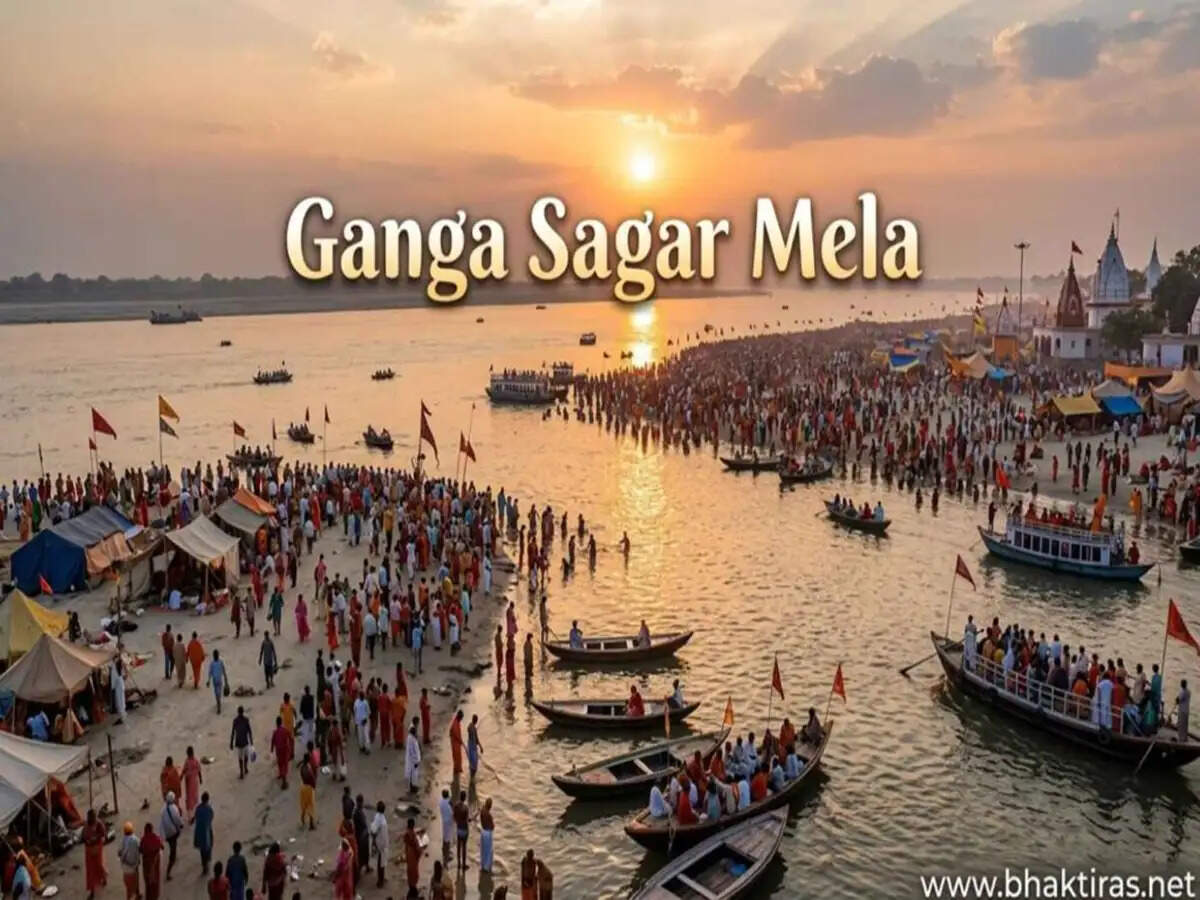
A government representative mentioned that the administration plans to increase the fairgrounds by about two and a half times. Furthermore, approximately 300 local fishing families will be permanently relocated. This expansion will utilize government-owned land adjacent to bathing ghats 6 and 7, near the Kapil Muni Ashram. The goal is to accommodate the increasing number of pilgrims and enhance the facilities available during this significant religious event.
Ritual Bathing at Gangasagar
When does the ritual bathing take place at Gangasagar?
The most important ritual bath at Gangasagar occurs on Makar Sankranti. On this day, devotees immerse themselves at the confluence of the Ganga River and the Bay of Bengal. It is believed that bathing and making donations during this auspicious time brings spiritual merit. After bathing, devotees perform *arghya* (a ritual offering) to the Sun God and donate food, clothing, and money to those in need.
Significance of the Ritual Bath
The ritual bath at Gangasagar holds great significance due to its mythological connections. According to legend, the waters of Mother Ganga arrived at this location, liberating the 60,000 sons of King Sagara. Thus, bathing here during Makar Sankranti is viewed as a pathway to *moksha* (liberation). It is believed that this sacred dip cleanses sins and grants spiritual merit (*punya*), which is why devotees eagerly anticipate this event each year.
A Pilgrimage Worth Taking
"Visit all other pilgrimage sites repeatedly, but visit Gangasagar at least once" — The Gangasagar Mela, also referred to as the Gangasagar Snan (ritual bath) or Gangasagar Yatra (pilgrimage), is a vital religious fair celebrated annually during Makar Sankranti. The rituals at Gangasagar trace back to around 400 BCE, as noted in ancient texts like the Mahabharata and the Ramayana. Devotees are encouraged to undertake this sacred pilgrimage at least once in their lifetime, reflecting the belief that a single visit and ritual bath at Gangasagar can yield as much spiritual merit as multiple visits to other pilgrimage sites.
The Scale of the Gathering
The second-largest gathering after the Kumbh — This fair, held during Makar Sankranti, draws millions of pilgrims who bathe at the confluence, perform *tarpan* (offerings) for their ancestors, and pray at the Kapil Muni Temple. Occurring once a year over several days, it is regarded as the second-largest human gathering in India, following the Kumbh Mela. The event peaks on Makar Sankranti, which usually falls on January 14th, although in some leap years it may be on January 15th, as the date is determined by the sun's entry into Capricorn (*Makara Rashi*) rather than the lunar calendar.
Maha Snan on Makar Sankranti
The 'Maha Snan' (grand ritual bath) on Makar Sankranti— The most auspicious time for the bath is announced each year by local authorities and priests. Traditionally, the bathing rituals last throughout Makar Sankranti, extending to the hours surrounding the exact moment of the Sankranti transition. Pilgrims plan their baths and boat crossings according to these timings and tidal conditions. The Gangasagar Mela occurs at the confluence where the Ganga River meets the sea, a site deeply connected to ancient Hindu narratives about atonement and 'moksha' (liberation). It is believed that taking a ritual dip here on Makar Sankranti brings immense spiritual merit.
Social Media Engagement
PC Social Media