
The Power of Broccoli: How This Superfood Helps Keep Diseases at Bay
The study from Pennsylvania State University, US, provided strong evidence for why vegetables such as broccoli, cabbage, and Brussels sprouts should be part of a normal healthy diet.
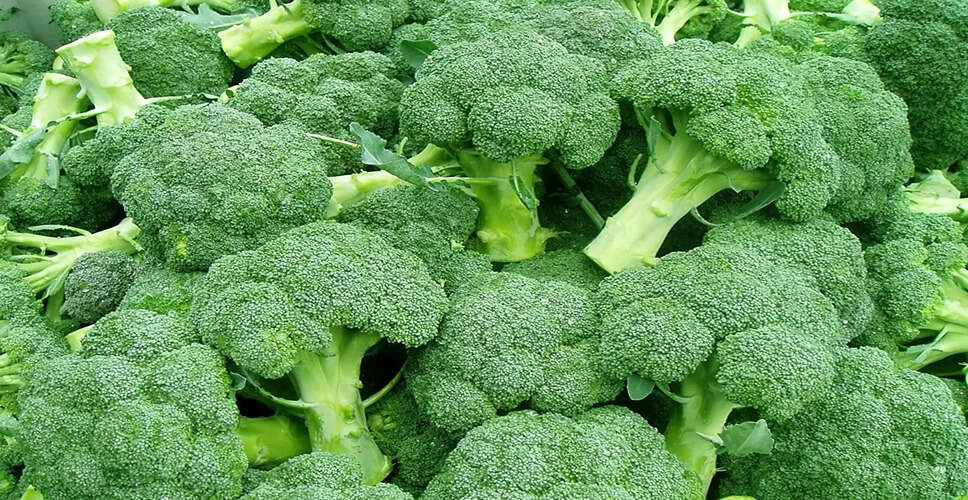
Researchers have discovered details about the mechanism by which broccoli helps protect the lining of the small intestine, thereby preventing the development of the disease in mice. A study from Pennsylvania State University, US, has provided strong evidence as to why vegetables such as broccoli, cabbage and Brussels sprouts should be part of a normal healthy diet. According to the researchers, they found that molecules in broccoli, called aryl hydrocarbon receptor ligands, bind to the aryl hydrocarbon receptor (AHR), a type of protein called a transcription factor, on the wall of the small intestine. This binding, they found, triggers a variety of activities that affect the functions of intestinal cells.
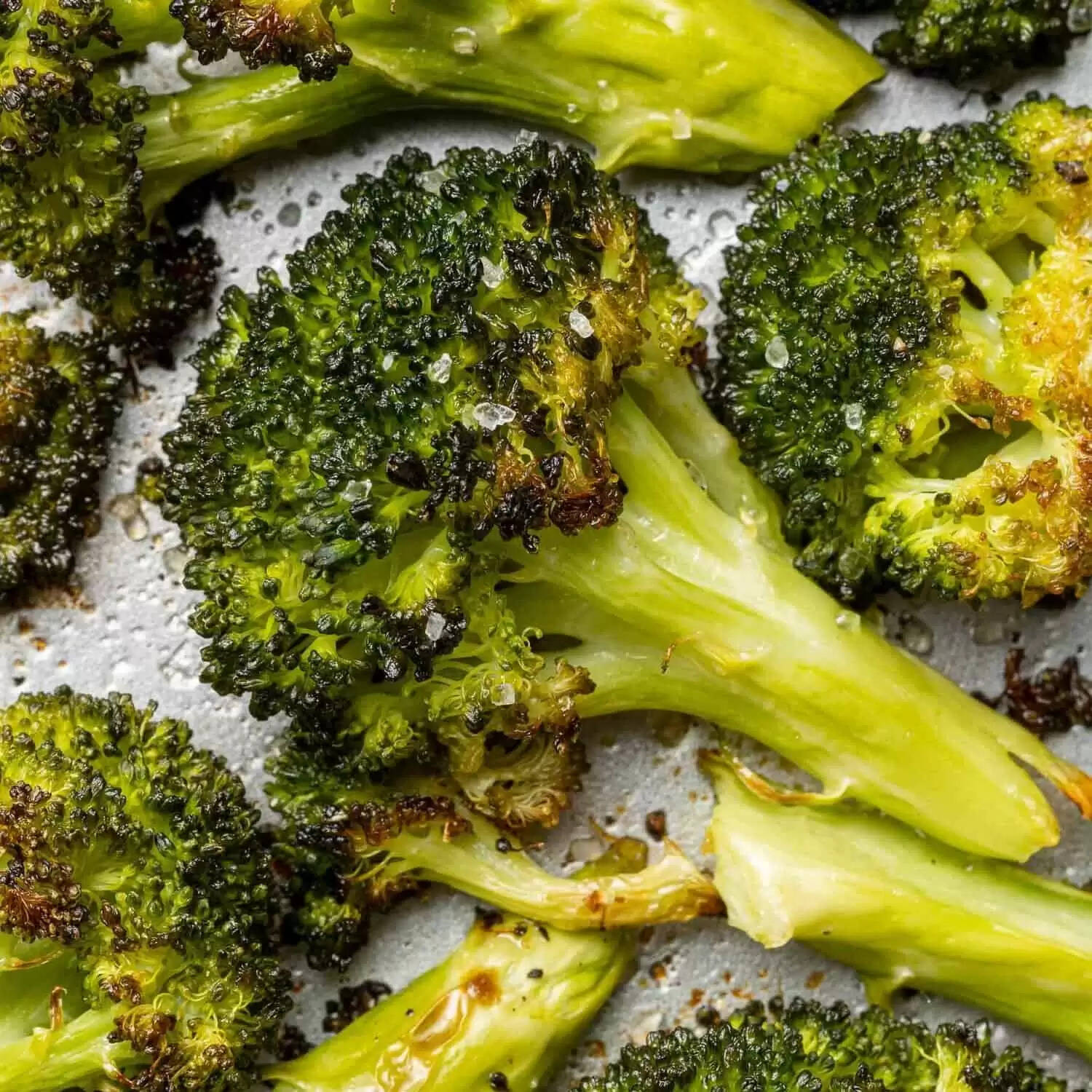
Their findings are published in the journal Laboratory Investigation. Certain cells that line the intestines, or intestinal cells, help modulate the passage of beneficial water and nutrients into the body and keep harmful food particles and bacteria out, thereby maintaining a balance. These cells include enterocytes which absorb water and nutrients, goblet cells which secrete a protective layer of mucus and Paneth cells, which secrete lysosomes which contain digestive enzymes.
In this study, researchers fed an experimental group of rats a diet containing 15 percent broccoli — the human equivalent of 3.5 cups per day — and a control group of rats fed a typical laboratory diet that contained no broccoli. They then analyzed animal tissues to study the extent of AHR activation and the concentration of intestinal lining cells. They found that mice not fed broccoli lacked AHR activity.
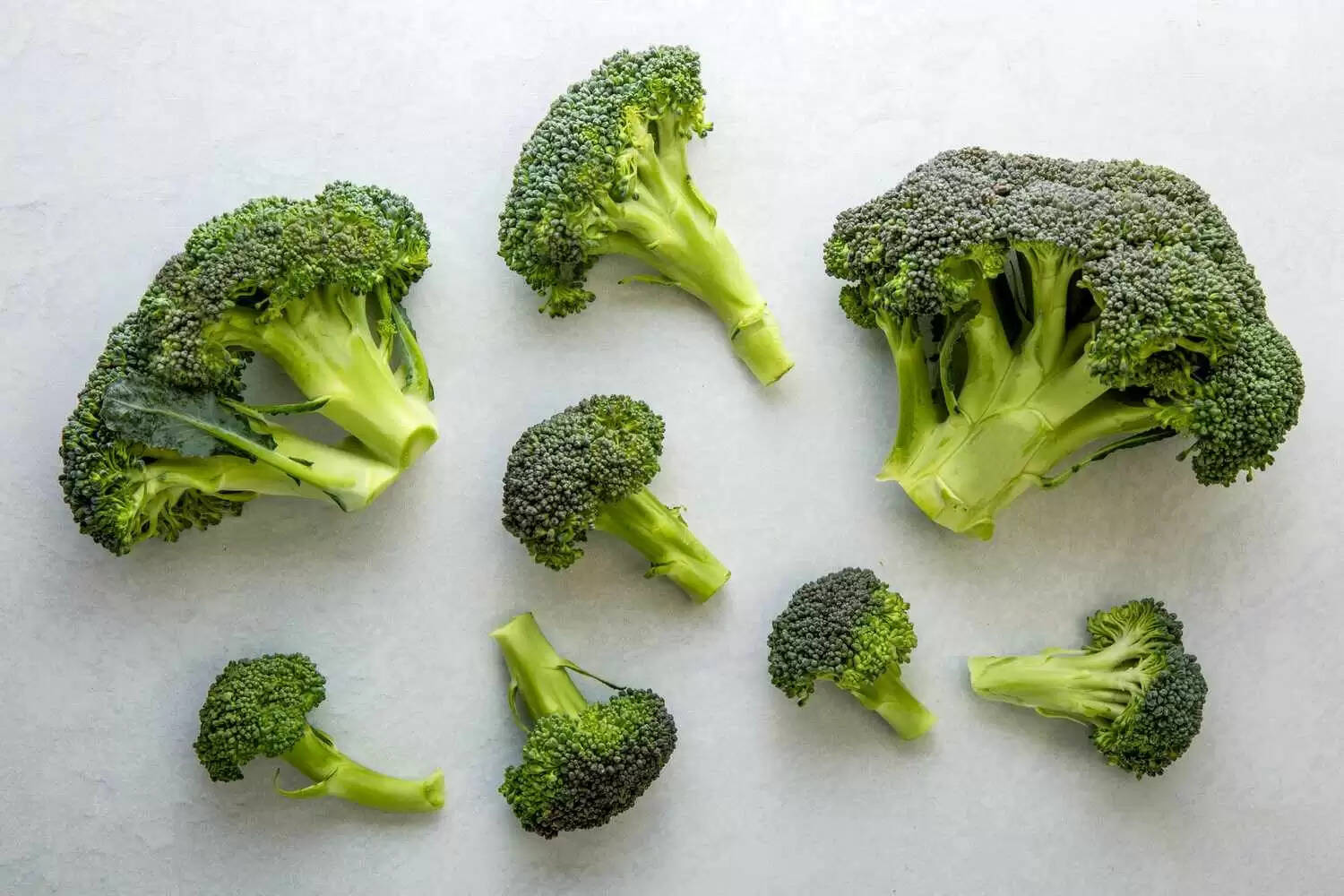
Lower AHR activity was found to alter intestinal barrier function, reducing the transit time of food in the small intestine and also decreasing the concentration of cells lining the intestine. "Mice that were not fed broccoli had compromised gut health in a variety of ways that are known to be associated with disease," Perdue said. "Our research suggests that broccoli and potentially other foods can be used as a natural source of AHR ligands, and that foods rich in these ligands contribute to the resilience of the small intestine," said study author Gary Perdue.
"These data suggest that dietary signals, transmitted through the activity of the AHR, can reshape the cellular and metabolic repertoire of the gastrointestinal tract," said Andrew Patterson, another study author.