
Exploring the Spiritual Significance of Pilgrimages in India's Sanatan Tradition
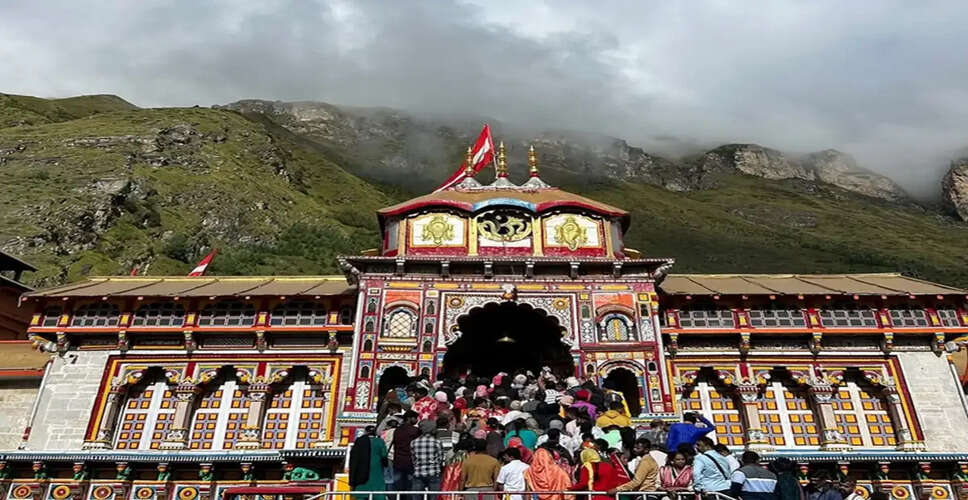

The Essence of Pilgrimage in Sanatan Tradition
In the Sanatan tradition of India, a pilgrimage transcends the mere act of visiting a temple; it embodies a profound spiritual journey steeped in faith and ancient customs. Each pilgrimage site is often interconnected, meaning that visiting one sacred location is typically linked to another, creating a rich tapestry of spiritual exploration across the country.
Kedarnath and Pashupatinath: A Spiritual Bond
**The Connection Between Kedarnath and Pashupatinath**
The spiritual connection between Kedarnath, a revered site for Lord Shiva in Uttarakhand, and the Pashupatinath Temple in Kathmandu, Nepal, exemplifies this tradition. Devotees believe that Lord Shiva is worshipped in his torso form at Kedarnath and in his face form at Pashupatinath, making a visit to both essential for a complete pilgrimage experience.
Traditions as Expressions of Faith
**Traditions: Expressions of Reverence and Devotion, Not Just Religious Rules**
Pandit Deeplal Jaipuri, an astrologer from Ambala, elaborates on how holy sites within Sanatan Dharma are deeply interconnected. He emphasizes that the spiritual merit of a pilgrimage is fully realized only when associated sites are visited. These traditions are not merely rules but are heartfelt expressions of devotion that have been cherished for generations.
The Role of Gangajal in Pilgrimages
**Tradition Linked to Gangajal (Holy Water of the Ganges)**
For instance, the pilgrimage to Rameswaram Dham in South India is intricately linked to *Gangajal*. Devotees typically collect holy water from the Ganges or Gangotri before proceeding to Rameswaram to perform *Jalabhishek* on Lord Shiva. This practice symbolizes a spiritual journey that connects the northern and southern parts of India.
Cultural Unity Through Pilgrimage
This tradition also represents the cultural and spiritual unity of the nation. The Omkareshwar and Mamleshwar temples in Madhya Pradesh, located on opposite banks of the Narmada River, are considered two manifestations of the same Jyotirlinga. Religious texts refer to this site as ‘Omkar-Mamleshwaram,’ and devotees believe their pilgrimage is incomplete without visiting both temples.
Baba Baidyanath Dham: A Key Example
**The Tradition of Baba Baidyanath Dham**
Another significant example is Baba Baidyanath Dham in Deoghar, Jharkhand, where Lord Shiva is worshipped as a Jyotirlinga and is also one of the 51 *Shakti Peethas*. It is believed that the heart of Goddess Sati fell here, and thus, devotees feel their pilgrimage is spiritually fulfilled by honoring both Baba Baidyanath and Goddess Shakti.
Completing the Pilgrimage Journey
**A pilgrimage to one shrine is considered incomplete without visiting the other**
Pandit Deeplal Jaipuri notes that acts of charity, chanting (*Jap-Tap*), singing devotional songs (*Bhajan-Kirtan*), and distributing *Prasad* are integral to the pilgrimage experience. These practices enhance the spiritual significance of the journey, connecting individuals to their faith and spiritual energy. Even in contemporary times, these traditions continue to resonate deeply with devotees, reinforcing the belief that a pilgrimage to one shrine is incomplete without visiting its counterpart.
Conclusion
PC Social Media