
Exploring the Spiritual Significance of Badrinath Dham
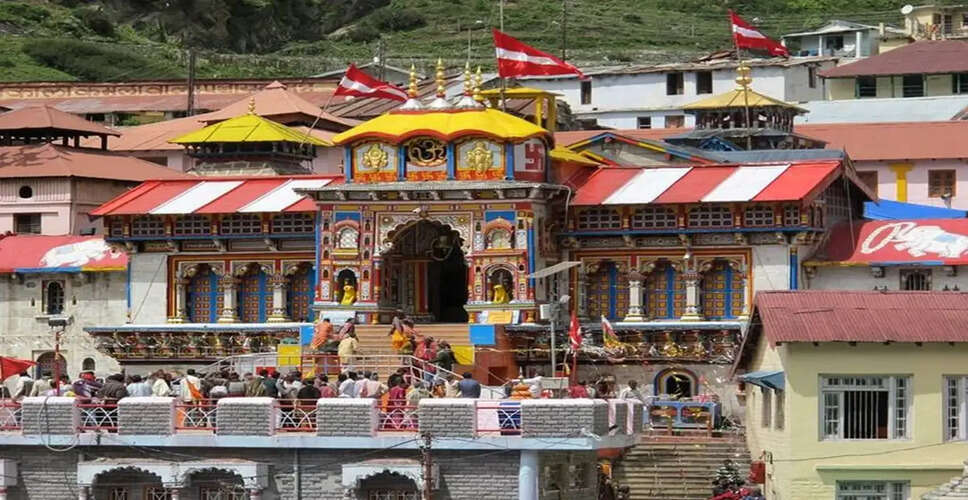

Introduction to Badrinath Dham
Badrinath Dham, situated in Uttarakhand's Chamoli district, is a revered site dedicated to Lord Vishnu. Often referred to as 'Bhu-Vaikuntha' or 'Vaikuntha on Earth,' this temple is believed to be the earthly abode of Lord Vishnu, known here as 'Badri Vishal.' Devotees seek spiritual solace through His 'darshan' (divine sight). Surrounded by the majestic Himalayas and the serene Alaknanda River, this shrine is a pivotal stop on the 'Char Dham Yatra.'
Winter Worship Traditions
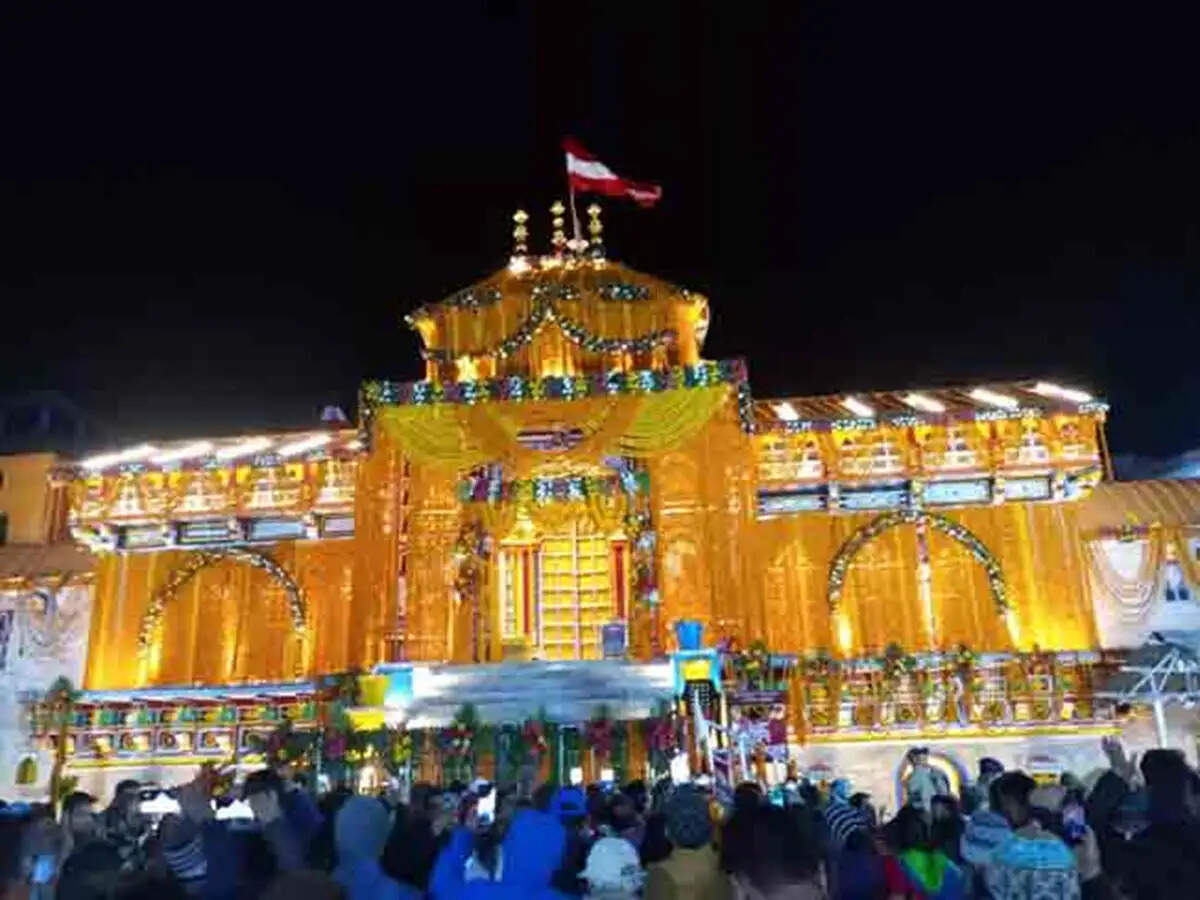
Have you ever wondered where Lord Badri Vishal is worshipped during the winter months when the Badrinath temple is closed? The temple remains shut for six months due to heavy snowfall and harsh weather conditions, making it challenging for pilgrims to access the site. The temple doors typically open in April or May and close in October or November, with specific dates determined by the religious calendar. Before the closure, special prayers and rituals are conducted, followed by unique worship traditions for the winter season.
The Significance of 'Bhu-Vaikuntha'
Why is Badrinath Dham called 'Bhu-Vaikuntha'?
The term 'Bhu-Vaikuntha' reflects a deep-rooted belief in Hinduism, where 'Vaikuntha' is the celestial realm of Lord Vishnu. It is said that Lord Vishnu resides in Badrinath Dham as 'Badri Vishal.' According to legend, He performed penance in this region as 'Nara-Narayana,' while Goddess Lakshmi transformed into a 'Badri' tree to protect Him from the elements, hence the name 'Badrinath.'
Where Does Lord Badri Reside in Winter?
Where does Lord Badri reside for these six months?
Once the temple doors close for winter, Lord Badri Vishal is worshipped at the Narasimha Temple in Joshimath, also known as Jyotirmath. This location is crucial for the winter worship practices of Badrinath Dham. The *utsava murti* (processional idol) is taken to the Yogadhyan Badri Temple in Pandukeshwar, where distinct winter rituals are performed, ensuring that the worship of the deity continues even when the main temple is closed.
The Role of the Chief Priest
Who performs the worship at the Badrinath Temple?
The chief priest, known as the 'Rawal,' is traditionally selected from the Nambudiri Brahmin community of Kerala. The rituals and prayers at the temple follow Vedic traditions. It is believed that Adi Shankaracharya reinstated the idol of Lord Vishnu at Badrinath. Pilgrims visiting Badrinath can also explore nearby sacred and natural sites, including Mana village, Vyas Gufa (Vyas Cave), Bhim Pul (Bhim's Bridge), and the area around the Saraswati River.
Conclusion
PC Social Media