
Exploring the Spiritual Essence of Ujjain: A Complete Pilgrimage Guide
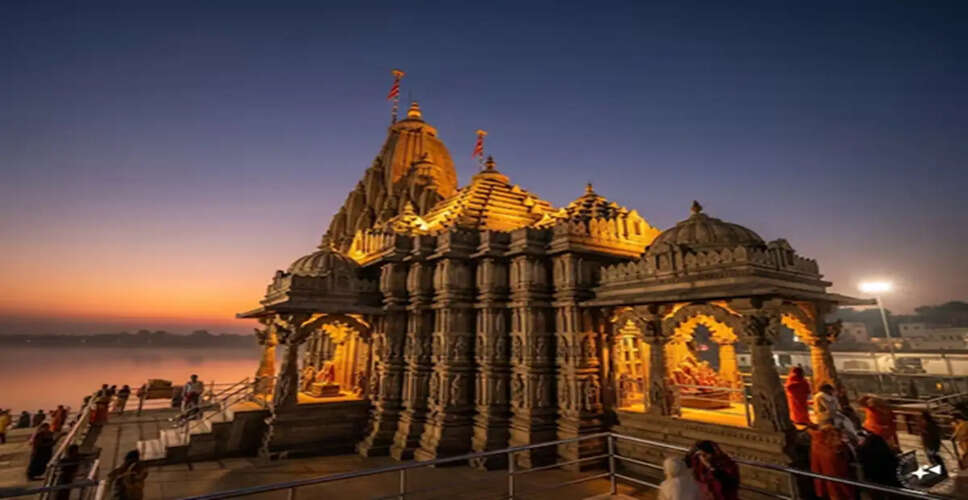

Ujjain Mahakal Darshan: A Spiritual Awakening
Ujjain Mahakal Darshan: The mornings in Ujjain are imbued with a distinct charm. As sunlight dances on the banks of the Shipra River, the spiritual heartbeat of the city begins to resonate, harmonized by the ringing of temple bells. However, if you think your journey is complete after merely witnessing the *Darshan* (sacred viewing) of Baba Mahakal, the locals might advise you otherwise: "Your pilgrimage is not yet fulfilled." This sentiment transcends mere belief; it is a vital aspect of age-old customs that elevate Ujjain from a simple pilgrimage destination to a dynamic spiritual journey.
1. The Importance of Visiting Kal Bhairav
In Ujjain, it is widely believed that Kal Bhairav acts as the *Kotwal* (guardian) of the city. His role is crucial, as he is thought to oversee the safety of Ujjain with the blessing of Baba Mahakal. Thus, visiting the Kal Bhairav Temple—either before or after experiencing the *Darshan* of Mahakal—is regarded as a necessary tradition.
The Unique Offering of Liquor
One of the most distinctive aspects of the Kal Bhairav Temple is the practice of offering liquor (*Madira*). First-time visitors are often taken aback by this custom, yet for locals, it is a commonplace ritual. Inside the temple, priests present liquor to Baba Bhairav, which is later shared with devotees as *Prasad* (sacred offering). This tradition symbolizes deep-rooted faith and is held in high regard by the community.
2. Completing the Pilgrimage at Vriddhakaleshwar
Located within the Mahakal Temple complex, the Vriddhakaleshwar Mahadev shrine is relatively serene and less frequented. Nevertheless, its spiritual importance is significant. It is believed that until one pays their respects here, their pilgrimage to Mahakal remains unfinished.
Many devotees express that the ambiance here radiates a unique tranquility, offering a moment of peace amid life's chaos. This is likely why seasoned pilgrims always include this temple in their journey.
3. Harsiddhi Mata: The Divine Power Center
Just a short distance from the Mahakal Temple lies the Harsiddhi Mata Temple, one of the prominent *Shakti Peeths* (centers of divine feminine energy) in Ujjain. The sight of the evening *Aarti* (ritual worship) and rows of lamps here is truly mesmerizing.
What makes this temple special?
It is believed that a part of Goddess Sati's body fell at this location, establishing it as a *Shakti Peeth*. Devotees believe that prayers offered here lead to the fulfillment of their desires. The vibrant atmosphere is particularly enchanting during the *Navratri* festival.
4. Garhkalika Mata: A Glimpse into Ancient Beliefs
The Garhkalika Mata Temple is among the oldest in Ujjain. Legend has it that this is where the famous poet Kalidasa received blessings from the Goddess.
The atmosphere here is distinct from other temples—less crowded yet filled with a profound sense of peace. Locals often say that simply meditating here brings a natural calm to the mind.
5. Ramghat: A Place of Serenity
After your *Darshan* (sacred viewing) of Lord Mahakal, heading straight back to your hotel might cause you to miss a vital experience: spending time at Ramghat, located along the banks of the Shipra River.
As you sit here in the evening, watching the *Aarti* and the flowing river, a unique sense of peace envelops you. Many visitors find that this is the moment when the true essence of their pilgrimage becomes apparent.
A Journey Steeped in Tradition
Ujjain is more than just a city filled with temples; it is a living testament to traditions. Each temple and *Ghat* (riverbank) narrates a story. While the *Darshan* of Lord Mahakal is undeniably important, the pilgrimage is deemed incomplete without honoring Kal Bhairav, Vriddhakaleshwar, Harsiddhi Mata, and Garhkalika.
PC Social Media