
Exploring the Sacred Chardham Yatra: A Spiritual Journey in Uttarakhand
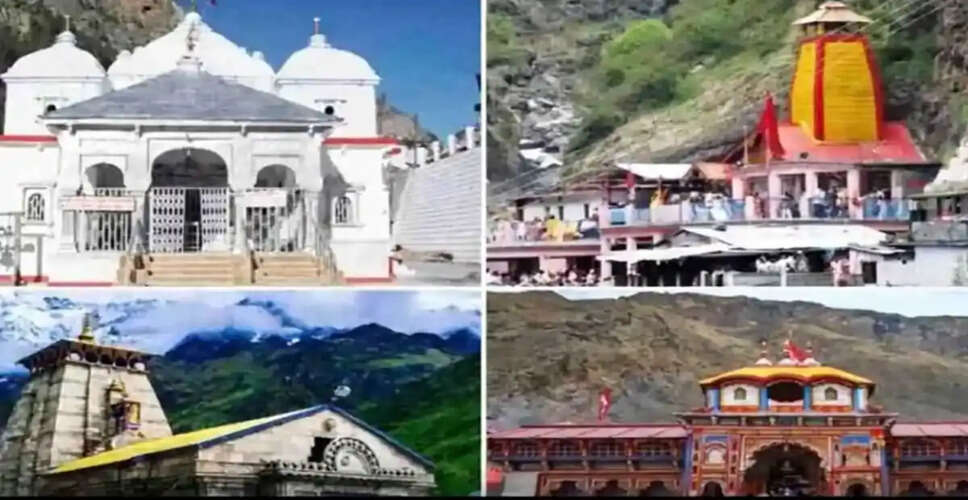

Chardham Yatra Overview
Chardham Yatra Route Insights: Uttarakhand, often referred to as *Devbhoomi* or the Land of Gods, hosts the revered Chardham Yatra, a pilgrimage that holds immense significance in Hinduism. Each year, countless devotees embark on this sacred journey, seeking spiritual tranquility and liberation from their past sins. The pilgrimage includes four key sites: Yamunotri, Gangotri, Kedarnath, and Badrinath, all set against the breathtaking backdrop of the Himalayas.
Natural Beauty and Spiritual Significance
This journey is not only about its religious importance but also the stunning natural landscapes that enhance the experience. The serene environment, with its snow-capped peaks and flowing rivers, provides a unique atmosphere for travelers.
Historically, this pilgrimage is believed to have been established in the 8th century by Adi Shankaracharya, aimed at reinforcing the principles of Hinduism. If you're considering the Chardham Yatra, this guide will be invaluable, offering detailed information on the names, history, locations, routes, and travel tips for the pilgrimage.
The Four Dhams: Names and Importance
The four Dhams of Uttarakhand are:
Yamunotri – The origin of the River Yamuna.
Gangotri – The source of the River Ganga.
Kedarnath – The sacred shrine of Lord Shiva, known as Jyotirlinga.
Badrinath – The divine abode of Lord Vishnu.
Each Dham is dedicated to a specific deity, holding unique religious significance.
Historical Context and Beliefs
The Chardham Yatra has ancient roots, believed to have been revived by Adi Shankaracharya. Its origins are steeped in mythology, with the belief that completing this pilgrimage grants *Moksha* or liberation from life's sins.
Kedarnath's History: After the Mahabharata War, the Pandavas sought Lord Shiva for forgiveness, where he took the form of a bull. The Kedarnath shrine houses the posterior half of this bull form.
Badrinath's Significance: Dedicated to Lord Vishnu, this site is where he incarnated as *Nar-Narayana* and performed penance for thousands of years, while Goddess Lakshmi took the form of a *Badri* tree to protect them.
Gangotri's Legend: This site is revered as the home of Mother Ganga, who descended to Earth at this location due to King Bhagiratha's penance.
Yamunotri's Origin: Recognized as the source of the River Yamuna, she is considered the daughter of the Sun God, Surya Dev.
Geographical Locations of the Char Dhams
All four Char Dhams are located in the Garhwal Himalayan region of Uttarakhand.
Yamunotri: Situated in the Uttarkashi district, near the Bandarpoonch peak, it is accessible via Dehradun or Haridwar, followed by a trek of 5–7 kilometers from Janki Chatti.
Gangotri: Also in Uttarkashi, this site is the source of the River Ganga, reachable by road from Rishikesh or Dehradun.
Kedarnath: Located in the Rudraprayag district along the River Mandakini, it requires an uphill trek of about 18 kilometers from Gaurikund.
Badrinath: Found in the Chamoli district, this temple lies between the Nara and Narayana mountain ranges, approximately 295 kilometers from Rishikesh.
The Chardham Yatra Route
If you're planning to visit the four holy shrines, here’s the traditional route: Start at Yamunotri, then proceed to Gangotri, followed by Kedarnath, and conclude your journey at Badrinath Dham.
Popular Route: Begin from Haridwar or Rishikesh. Travel to Yamunotri via Barkot, trek to the temple, and return. Next, head to Uttarkashi, then to Gangotri. After visiting Gangotri, return to Uttarkashi, then travel to Rudraprayag via Dharasu. From Rudraprayag, proceed to Sonprayag and take a shared taxi to Gaurikund. The trek from Gaurikund to Kedarnath is about 16–18 kilometers. After Kedarnath, travel from Rudraprayag to Badrinath via Karnaprayag and Joshimath, covering approximately 245 kilometers.
Conclusion
Embarking on the Chardham Yatra is not just a pilgrimage; it is a journey through spirituality and nature, offering a chance to connect with the divine and experience the breathtaking beauty of Uttarakhand.