
Exploring the Rich Tapestry of Indian Sarees: A Cultural Journey
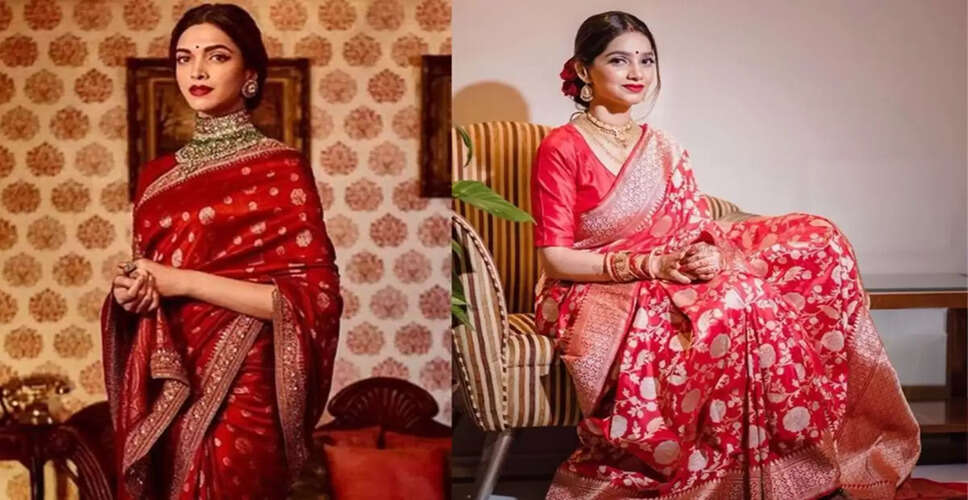

The Cultural Significance of Sarees in India
In India, the saree transcends being just a garment; it embodies a rich heritage that has been cherished across generations.
From the northern mountains to the southern shores, each Indian state boasts its own distinctive weaving techniques, textiles, and narratives. Let's delve into the stunning sarees that represent the diverse regions of India.
Sarees from North India
Uttar Pradesh – The Banarasi saree is globally celebrated for its intricate gold and silver *zari* work.
Punjab and Haryana – Punjab’s *Phulkari* is known for its vibrant colors and floral embroidery, while Haryana’s *Resham Dhuria* combines silk embroidery with cotton fabric beautifully.
Himachal and Uttarakhand – Himachal’s *Kullu Patti* sarees are characterized by geometric borders, whereas Uttarakhand’s *Panchachuli* weave showcases exceptional craftsmanship.
Sarees from Eastern and Northeastern India
West Bengal and Bihar – The *pallu* of Bengal’s *Baluchari* saree features scenes from the *Ramayana* and *Mahabharata*, while Bihar’s *Bhagalpuri Tussar* silk is noted for its eco-friendliness and unique texture.
Odisha – The *Sambalpuri Ikkat* is famous for its tie-and-dye technique and motifs inspired by nature.
The Northeast – Assam’s golden *Muga* silk is unique as it becomes more lustrous with each wash. Meghalaya’s *Eri* silk and Manipur’s *Moirang Phee* are known for their delicate textures and temple-motif borders. The sarees from Nagaland, Mizoram, and Tripura reflect the region's rich tribal heritage.
Sarees from Western and Central India
Rajasthan and Gujarat – Rajasthan’s *Bandhani* saree captures the vibrant colors of the desert, while Gujarat’s *Patola* is highly valued for its intricate double-*ikkat* weaving.
Maharashtra and Goa – Maharashtra’s *Paithani* is famous for its peacock-motif *pallu*, and Goa’s cotton *Kunbi* saree represents the coastal heritage of India. In Madhya Pradesh, the lightweight Chanderi saree is perfect for summer, while Chhattisgarh's Kosa silk is known for its durability and tribal artistry.
Sarees from South India
Tamil Nadu – The Kanchipuram (or Kanjeevaram) saree is often referred to as the "Emperor of Indian Sarees," made from pure mulberry silk and gold zari, showcasing unmatched elegance.
Kerala – The Kasavu saree, with its golden border on white cotton, symbolizes refined simplicity.
Andhra Pradesh, Telangana, and Karnataka – Karnataka's Ilkal saree is noted for its distinctive red *Tope Teni* pallu. Telangana's Pochampally Ikat and Andhra Pradesh's Uppada Jamdani are renowned for their intricate zari work.
Connect with Us
PC Social Media