
Exploring the Medicinal Benefits of Various Teas

The Historical Use of Tea as Medicine
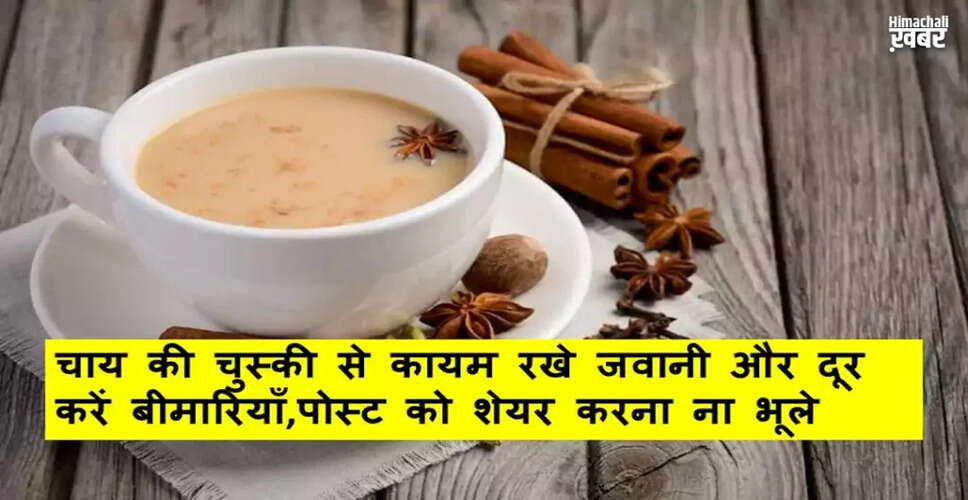
Few are aware that tea was initially utilized for its medicinal properties. Herbalists have historically employed fresh tea leaves and seeds to treat various ailments. Over time, tea has become an integral part of our daily lives, often enjoyed as the first beverage of the day in many households. Incorporating food and drinks with medicinal qualities into our daily routine can help prevent numerous health issues. Regular consumption of tea in moderation can keep various diseases at bay. Let's delve into the health benefits of different types of tea.
Gauti Tea
In Bundelkhand, locals prepare a unique tea known as Gauti. This tea, infused with a hint of lemon fragrance, offers a refreshing taste. To make it, three lemongrass leaves are crushed and boiled in two cups of water. Sugar is added to taste, and the mixture is boiled until it reduces to one cup. For those who enjoy ginger, a pinch can be added. Notably, Gauti tea does not contain milk and is rich in antioxidants, making it effective in controlling infections.
Black Tea
This sweet tea is served without milk. To prepare it, one tablespoon of tea leaves and three tablespoons of sugar are boiled in two cups of water. Once the tea reduces to about one cup, it is strained and served. Herbal experts suggest that sweet tea plays a significant role in calming the mind, thereby helping to reduce stress.
Coriander Tea
In many regions of Rajasthan, coriander tea is recommended for health improvement. It is made by boiling cumin, coriander, tea leaves, and a small amount of fennel in about two cups of water for two minutes. Sugar and ginger can be added as needed, and sometimes honey is used instead of sugar for added flavor. This tea is beneficial for those suffering from throat issues, indigestion, and gas.
Anantmool Tea
During the cold months, tribal communities in Patalkot often consume Anantmool tea. The Anantmool plant, known for its warming properties, has its roots boiled in water along with a small amount of tea leaves. This tea is particularly recommended for patients with asthma and respiratory conditions.
Sour Gauti Tea
In the Gondwana region of Central India, Sour Gauti tea is prepared by adding orange or lemon peels and a bit of lemon juice during the brewing process. This ancient anti-aging formula has been embraced by tribal communities, and modern science is beginning to validate its benefits. Recent studies indicate that a combination of green tea and lemon can slow down the aging process, suggesting that regular consumption may help maintain youthfulness.
Mulethi Tea
Known as Jethimad tea in Gujarat, Mulethi tea is popular in Central India. Adding a pinch of Mulethi while preparing regular tea infuses it with a unique aroma and enhances its flavor. It is recommended for individuals suffering from asthma and cold-related coughs, with a suggested intake of two to three times a day.
Bastar’s Saidi or Sweet Tea
Due to its honey content, this tea is often referred to as Saidi tea. It is commonly prepared in remote villages of Bastar. The tea is made by mixing two teaspoons of regular tea leaves with about two teaspoons of honey and two teaspoons of milk. This mixture is whipped and then added to boiling water. If desired, a small amount of ginger can be included. Saidi tea is believed to invigorate the body, as honey, ginger, and tea each possess their own medicinal properties, creating a powerful tonic.
Masala Tea
In Gujarat, a spice blend is created using black pepper, dry ginger, basil, cinnamon, small and large cardamom, cloves, pippali root, nutmeg, and mace. A pinch of this spice mix is added to boiling water with tea leaves and milk. The resulting masala tea is not only delicious but also revitalizes the body.