
Exploring the Medicinal Benefits of Nagfani: A Traditional Remedy
Introduction to Nagfani
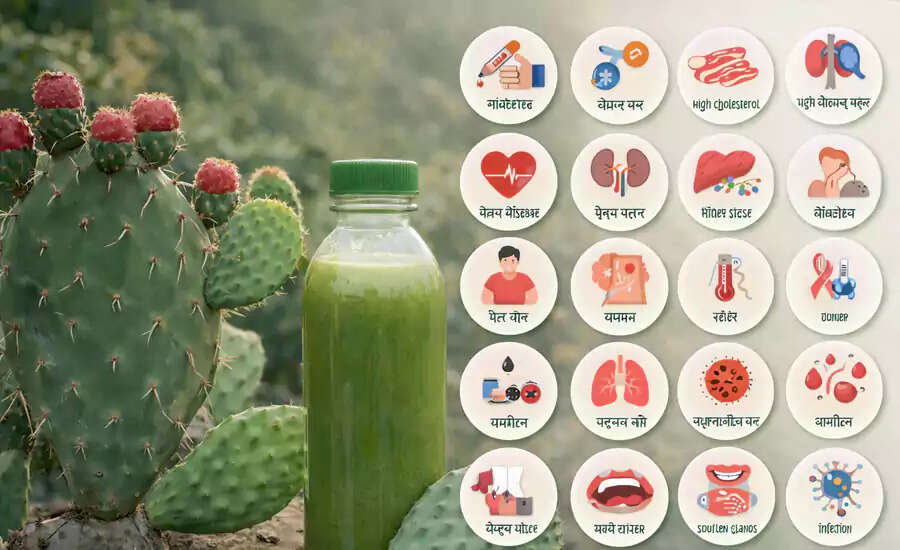
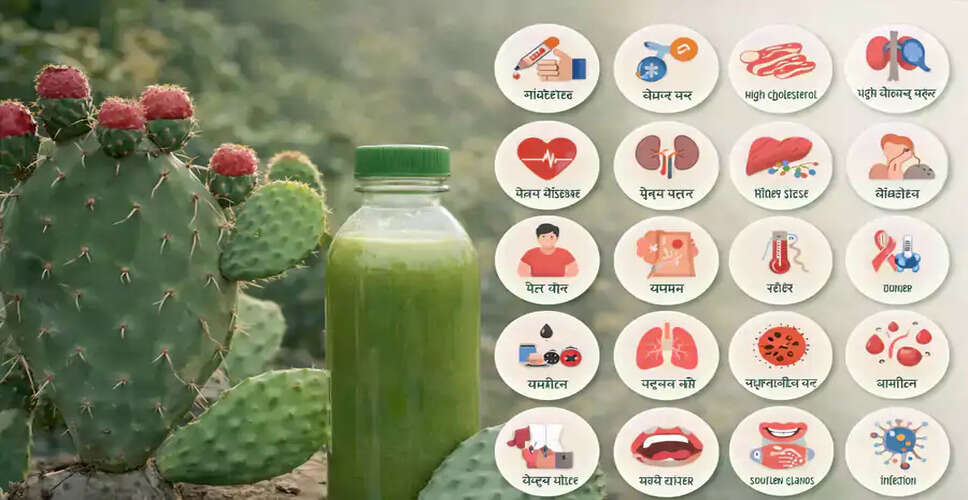
Nagfani, known as Vajrakantaka in Sanskrit, is recognized for its exceptionally strong thorns. Historically, these thorns were even used for ear-piercing. It is traditionally believed to possess antiseptic properties, which help reduce ear infections.
Nutritional Composition
The fruit of Nagfani contains flavonoids, tannins, and pectin. Additionally, it is rich in essential minerals such as zinc, copper, potassium, iron, magnesium, calcium, phosphorus, molybdenum, and cobalt. Its taste is typically bitter, and it is classified as having a warming nature. In Ayurveda, it is noted for its digestive, diuretic, and purgative qualities, with the entire plant being utilized for medicinal purposes.
Traditional Uses
For earaches, it is traditionally recommended to apply 1-2 drops of its juice. In cases of kennel cough, roasting and consuming its fruit is advised. A syrup made from its fruit is considered beneficial for bile disorders. The Nagfani plant not only protects fields but is also valued in traditional medicine for treating various ailments.
Medicinal Applications
Traditional uses of Nagfani's medicinal properties include advice for constipation, where a drop or two of its fresh milk is suggested to be taken with sugar candy. However, caution is advised as its milk should not come into contact with the eyes due to potential harm. For redness in the eyes, a method involves removing the thorns and applying the pulp of the leaves wrapped in cloth over the eyes.
Relief from Pain and Inflammation
For swelling, joint pain, or injuries, applying a mixture of its leaf pulp with turmeric and mustard oil, warmed slightly, is said to provide relief. In cases of hydrocele, binding it in a cloth is a common folk remedy. For ear issues, heating the leaf and applying its juice is recommended.
Culinary and Health Benefits
The fruit found beneath its red or yellow flowers is boiled and consumed, believed to aid in bile and fever. A decoction made from its dried fruit is traditionally given for asthma and common coughs. Some beliefs suggest that regular consumption of leaf juice may help prevent serious illnesses, although scientific evidence for such claims is limited.
Additional Health Remedies
In cases of liver and spleen enlargement, decreased appetite, or dropsy, its juice is discussed in folk medicine when mixed with other substances. For cough and respiratory issues, it is advised to take its juice with ginger juice.
Heart and Respiratory Health
Burning the Nagfani plant's leaves to prepare an ash mixed with honey or warm water is noted for heart and respiratory ailments. In traditional medicine, it is also considered useful for inflammation, constipation, pneumonia, arthritis, and urinary disorders. Both internal and external applications are utilized, but it is crucial to remove the thorns completely before use.
Precautions
For pneumonia, a limited amount of the extract from boiled small pieces is suggested. For arthritis and inflammation, splitting the stem and applying it with turmeric and mustard oil to the affected area is recommended. The use of its flowers for intestinal issues, colitis, and prostate inflammation is also noted.
For general inflammation, elevated uric acid, or arthritis, its root is traditionally taken as a decoction with fenugreek, carom seeds, and dry ginger. A paste made from its thick leaves, boiled and mixed with olive oil, raw turmeric, and garlic, is suggested for external use in arthritis and inflammation.
It is essential to use Nagfani thoughtfully and in moderation. Pregnant women, individuals with serious health conditions, or those on regular medication should consult a qualified healthcare professional before use.