
Exploring the Mandela Effect Through Emojis

The Fascination with Emojis
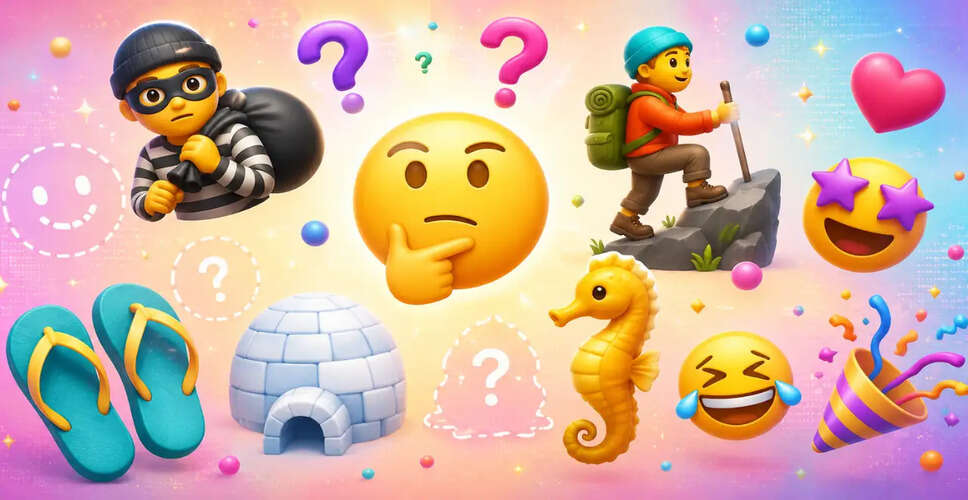
Across various corners of the internet, many users passionately discuss their experiences with the 'robber emoji'—a character depicted in a mask and prison attire, seemingly escaping with a sack of cash. Similarly, the 'hiker emoji', featuring a man with a backpack and a cowboy hat, is often mentioned. If you're planning a beach trip, you might include the flip-flop emoji on your checklist, or perhaps the igloo emoji for a winter vacation. While it’s perfectly fine to not grasp the context of every emoji, if you can vividly picture these characters, it’s likely you’ve encountered the intriguing Mandela Effect.
Understanding the Mandela Effect
What is the Mandela Effect?
Essentially, the Mandela Effect refers to a collective false memory shared by a large group. The term itself is somewhat misleading, but its origin is quite fascinating. It stems from a widespread belief that Nelson Mandela, the South African leader, died in prison during the 1980s, despite his actual release in 1990 and passing in 2013. This phenomenon goes beyond mere misinformation, as it involves a peculiar experience. Imagine you know a neighborhood dog named 'Buster'. You recall calling him and hearing others do the same. Fast forward five years, and while reminiscing with a friend, you mention Buster, only to discover that the dog never existed or had a different name. This perplexing situation can be likened to a mild form of psychosis, yet your friend also insists on Buster's existence. Now, apply this confusion to the vast realm of emojis.
The Connection to Emojis
But Why Emojis?
The Mandela Effect can manifest in various contexts, and psychologists suggest two main reasons: confabulation, where the brain fills in memory gaps, and suggestibility, which involves adopting others' memories, whether accurate or not. In our digital age, where emojis serve as a unique form of communication, it’s easy to see why some internet users are convinced that emojis like the robber and hiker once existed, despite evidence to the contrary. This belief has sparked creative reinterpretations of these non-existent emojis. As we celebrate World Emoji Day, let’s advocate for the inclusion of these imagined emojis in our digital lexicon!