
Exploring the Life and Art of Amrita Sher-Gil: A Trailblazer in Modernism

The Bold Legacy of Amrita Sher-Gil
Amrita Sher-Gil stands out as one of the most renowned modernist painters of her time, celebrated for her audacious spirit and boundary-breaking artistry. Few women of her era dared to create a nude self-portrait, yet her oil painting, Self-Portrait as Tahitian (1934), exemplifies her fearless approach. Living an unconventional life, she emerged as a significant figure in the 20th century, both in her personal life and artistic endeavors.
Born in 1913 to Umrao Singh Sher-Gil, a Sikh intellectual, and Marie Antoinette Sher-Gil, a Hungarian-Jewish opera singer, Amrita's formative years in Budapest, a vibrant cultural center, greatly influenced her. Her father's philosophical insights shaped her character, and she exhibited a strong-willed nature, often resisting formal artistic training. As a biracial individual, she navigated life between Hungary and India, ultimately developing a unique artistic style that was both modern and distinctly Indian.
Sotheby’s notes, “At a time when most artists depicted women as submissive and content, Sher-Gil’s portrayal of female subjects was refreshingly unique, often highlighting their solitude or quiet strength. This may have mirrored her own feelings of isolation, caught between two worlds.”
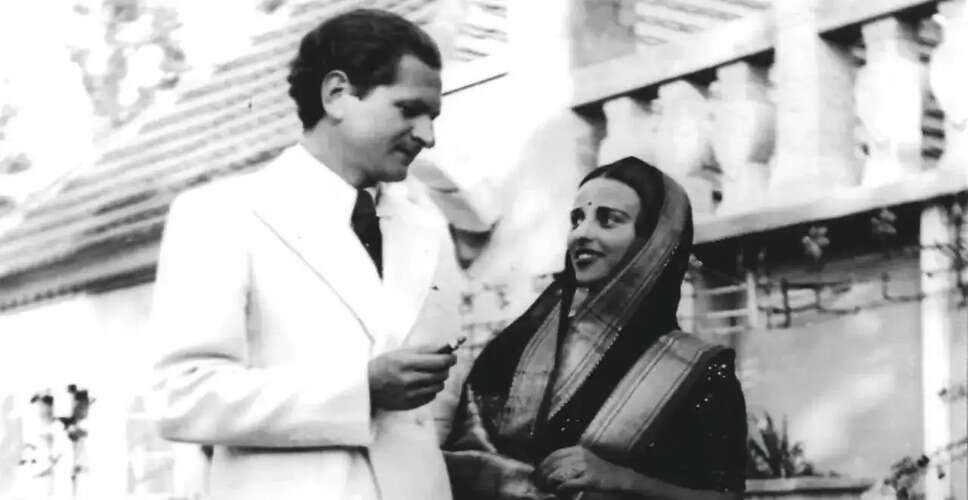
Amrita's personal life was not without its controversies, particularly her romantic involvement with Victor Egan, her first cousin, which was deemed socially unacceptable. They married in 1938, despite her parents' disapproval, particularly from her mother, who was concerned about their familial ties and Victor's lack of wealth or social standing. Nevertheless, the marriage did not restrict her romantic pursuits, as she continued to engage in affairs, seemingly with Victor's consent.
Journalist Ashwini Bhatnagar remarked in 2023, “Amrita’s existence was a blend of avant-garde art and life, with Victor Egan serving as the emotional core of her world. He was a progressive partner who supported her artistic explorations.” Their marriage lasted until Amrita's untimely passing in December 1941, after which Victor remarried Nina Hydrie, a woman significantly younger than him.