
Exploring the Legacy of Hazaaron Khwaishein Aisi: Sudhir Mishra's Masterpiece
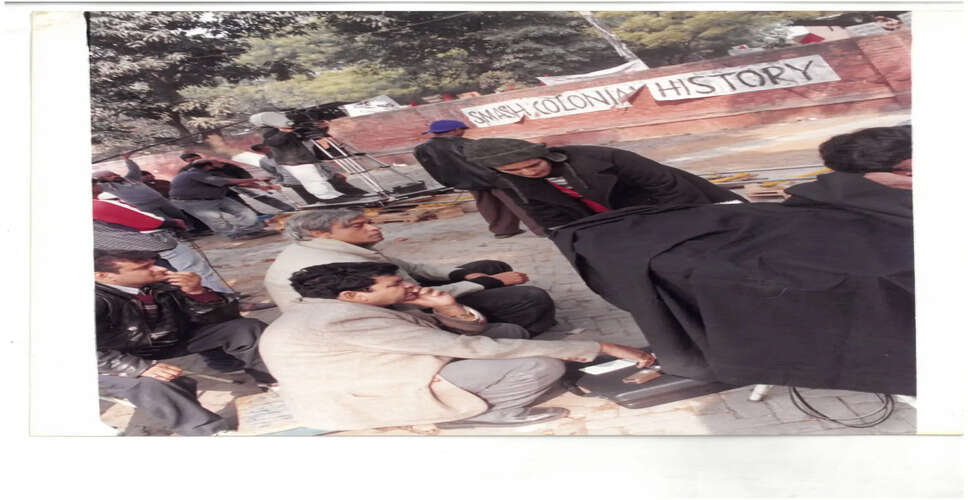

A Deep Dive into Hazaaron Khwaishein Aisi
Hazaaron Khwaishein Aisi (HKA) stands as filmmaker Sudhir Mishra's most intricate and politically charged film to date. He does not shy away from criticizing the Nehruvian ideals, asserting that the governance model in contemporary India has fostered a social structure that is both "unjust" and "degenerative." Set against the backdrop of the tumultuous years between 1969 and 1977, the film navigates the complex and often chaotic politics of Kolkata, Delhi, and Bihar's Bhojpur district, offering a poignant exploration of the decline of collective consciousness in modern India.
Q. Sudhir, would you say Hazaaron Khwaishein Aisi is your most recognized film?
A. Certain films stem from a filmmaker's core essence, and these are the ones only they can create. Hazaaron… was that film for me. I developed the script over many years, and now it continues to shape my journey.
Q. Do you consider it your best work?
A. While I am often recognized as the director of Hazaaron, which certainly elevates my profile, it also confines me. I've directed other films like Khoya Khoya Chand, Dharavi, Chameli, and Serious Men, which are equally commendable.
Q. Was Shiney Ahuja your initial choice for the lead role?
A. The casting for Shiney Ahuja's character involved an extensive audition process across four cities, yet I found him right next door. Initially, we considered him for Kay Kay Menon's role, but after seeing his audition, I realized he was perfect for Vikram.
Q. Shiney's career faced challenges due to the 'MeToo movement'?
A. I find it hard to reconcile the Shiney I know with the accusations. On set, many women worked alongside him without any complaints. He even collaborated with my assistant Ruchi Narain on a film titled Kal: Yesterday and Tomorrow. Shiney has always been a true gentleman. Ultimately, the woman who accused him withdrew her case, but the damage was done. The industry ostracized him for something he did not commit.
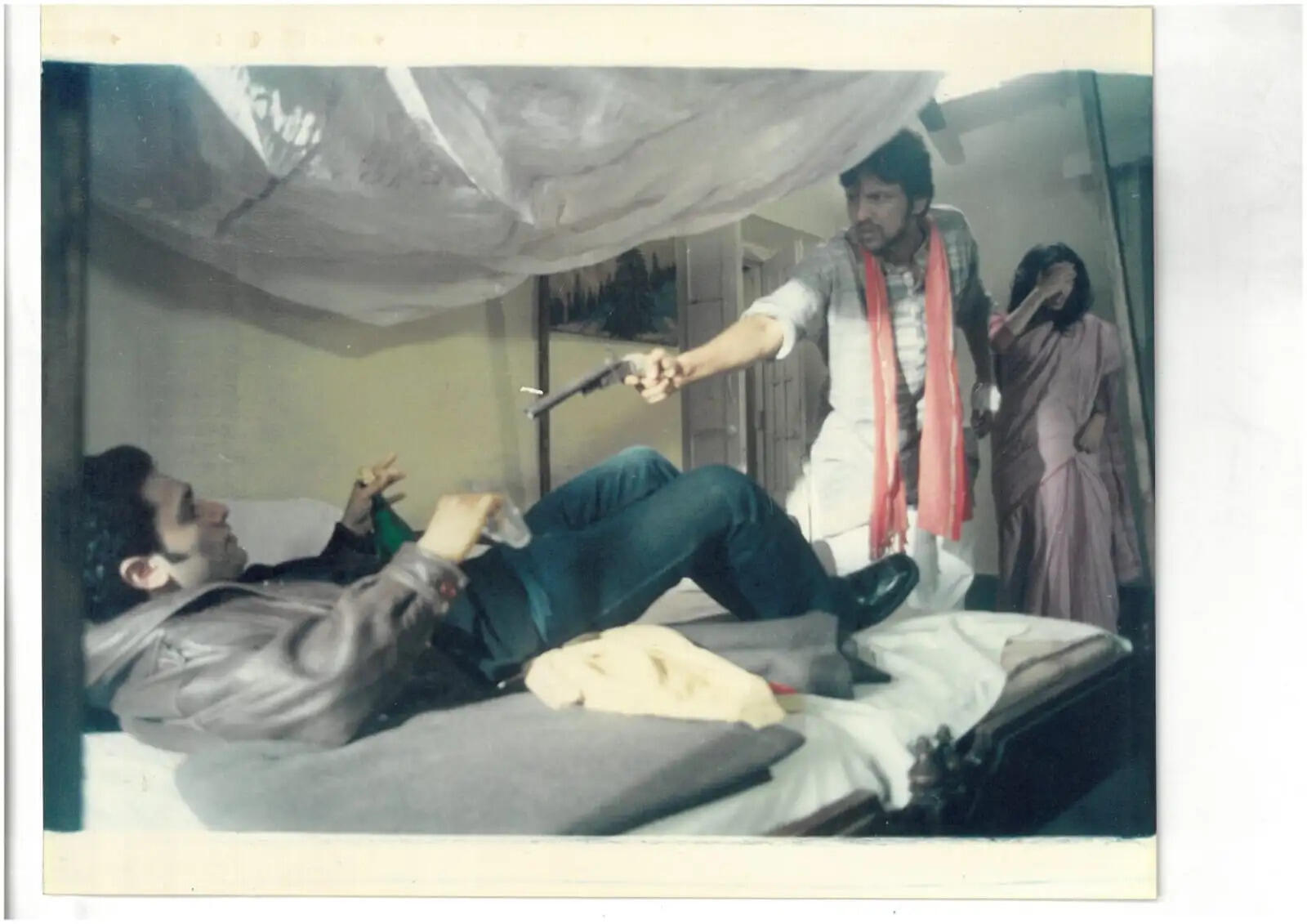
Q. How do you reflect on Hazaaron Khwaishein Aisi?
A. I feel destined to have made Hazaaron Khwaishein Aisi. Every filmmaker has one or two films they are meant to create; the rest are merely fillers. Directors like K Asif and Mehboob Khan are primarily remembered for Mughal-e-Azam and Mother India. I aspire to create something that transcends Hazaaron Khwaishein Aisi. This film was a perfect match for the right story at the right time. It holds a special place at the pinnacle of my work. Some films transform a filmmaker, and Hazaaron… transformed me, revealing a softer, more empathetic side of myself.
Q. Are you still disappointed about the film's lack of recognition?
A. In 2005, after the UPA government took office, my film was completely overlooked at the national awards. Some of my closest friends on the jury chose to honor other films. Yet, who remembers those award-winning films now? In contrast, Hazaaron Khwaishein Aisi remains relevant in discussions today. My point is, relevance cannot be silenced; the voice will always find a way. Keep an eye out for my current project, though I cannot disclose details yet.