
Exploring the Health Benefits of Ragi Flour

Understanding Ragi Flour and Its Nutritional Value
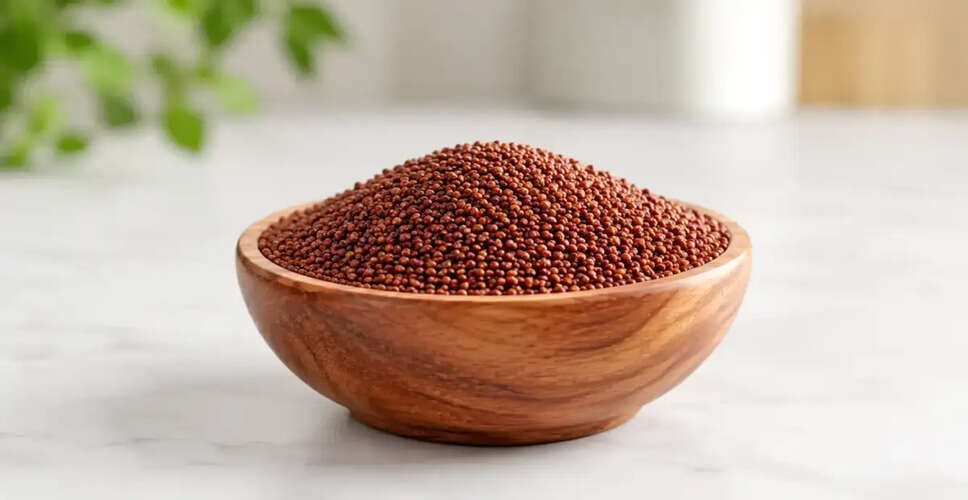
Health Benefits of Ragi Flour: In recent times, individuals have become more mindful of their dietary choices. As a result, traditional grains and millets are making a comeback in people's meals. One such grain is Ragi, also referred to as Nachni or finger millet. Ragi flour is recognized for its rich nutrient profile and can be seamlessly integrated into daily meals.
Like any food, Ragi should be consumed in moderation and tailored to personal dietary needs. This article delves into the health advantages of Ragi flour, its dietary benefits, and the optimal ways to incorporate it into your meals.
Advantages of Including Ragi Flour in Your Diet
Ragi is recognized as a highly nutritious millet, packed with essential nutrients such as fiber, protein, and calcium, making it a valuable addition to a balanced diet.
Key Health Benefits of Ragi Flour
1. Supports Bone Health
Ragi is an excellent source of calcium, a vital nutrient for maintaining strong bones and teeth. Incorporating Ragi into your diet can significantly benefit bone health.
2. Promotes Healthy Digestion
Rich in dietary fiber, Ragi aids in maintaining a healthy digestive system and helps prevent constipation.
3. Assists in Weight Management
The fiber content in Ragi helps prolong feelings of fullness, which may reduce the frequency of snacking. However, for effective weight loss, it is essential to consider overall dietary habits and physical activity rather than relying solely on Ragi.
4. Regulates Blood Sugar Levels
Due to its fiber content, Ragi is often included in balanced diets. However, those with diabetes should seek advice from a healthcare professional regarding appropriate consumption levels and forms.
5. Naturally Gluten-Free
Ragi is a gluten-free grain, making it a suitable option for individuals with gluten sensitivities. It is crucial to check packaging for potential cross-contamination when purchasing Ragi flour.
Incorporating Ragi into Your Meals
Ragi flour can be utilized to prepare various dishes such as *roti*, *chilla*, *dosa*, *idli*, porridge, and snacks. It can also be enjoyed with milk or yogurt. It is advisable to include Ragi as part of a diverse diet rather than depending on it as the sole food source.
While Ragi is a nutritious choice, excessive intake is unnecessary. Consulting a nutrition expert is recommended for those with specific health conditions or dietary needs.
PC Social Media