
Exploring the Enduring Legacy of Hyderabad's Nizams

The Historical Significance of Hyderabad
Long before Hyderabad became famous for its Dakhni culture, pearls, and grand palaces, it was the heart of one of India's most prosperous princely states. This narrative began in 1724 when Mir Qamar-ud-Din Ali Khan Siddiqi, known as Asaf Jah I, founded the Asaf Jahi dynasty following the decline of Mughal power in the Deccan region. Appointed as the Naib of the Deccan by Mughal Emperor Farrukhsiyar, he established a kingdom that would influence the area's politics, architecture, arts, and culture for over two centuries. The title of "Nizam of Hyderabad" became associated with one of the wealthiest and culturally significant royal families globally. Mir Osman Ali Khan, the seventh and final ruling Nizam, is often regarded as one of the first billionaires. Before his passing, he designated his grandson Mukarram Jah as his successor, who became the titular eighth Nizam of Hyderabad.
Even after more than seventy years since Hyderabad's integration into the Indian Union, the legacy of the Asaf Jahi dynasty remains vibrant. In a recent interview, Prince Azam Jah, the second son of Mukarram Jah, reflects on his upbringing amidst this rich history, the tales passed down through generations, and his family's enduring ties to Hyderabad.
Reflections on Growing Up as a Nizam
Q: What was it like growing up as part of the family of Nizams of Hyderabad in post-independence India — did you feel more history, or more distance from it?
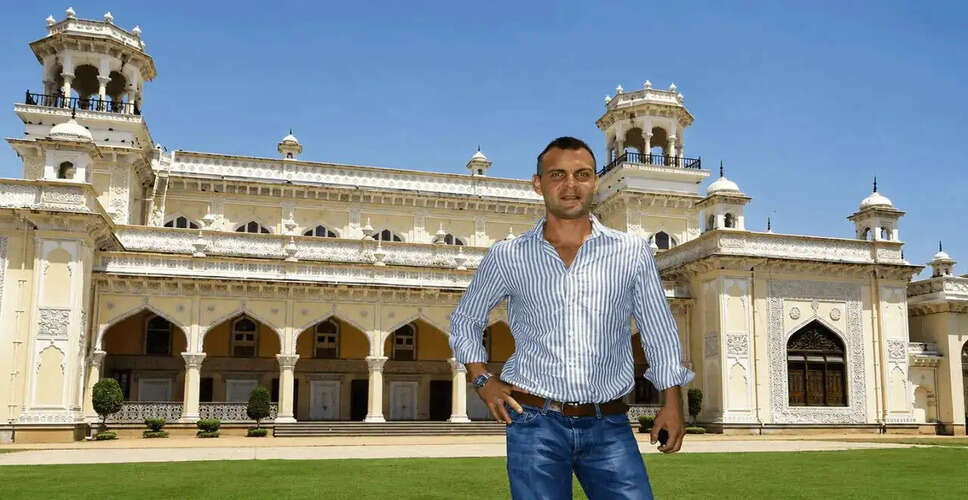
Azam Jah: My childhood was extraordinary. Who wouldn't enjoy their formative years exploring the historic grounds of Chiraan Palace and playing in iconic places like Chowmahalla and King Kothi? I never felt distanced from it; my father ensured that I was involved in our heritage.
Q: At home, did you grow up hearing stories of your great-grandfather Mir Osman Ali Khan?
Azam Jah: Absolutely, many stories. Some I share, while others remain private between my father and me. He often spoke of Mir Osman, a figure he admired greatly. While he highlighted his achievements, I sensed his disappointment regarding the negative perceptions surrounding him. Mir Osman's contributions to the people of Hyderabad are undeniable, and my father's admiration shaped my positive view of him.
The Living Legacy of the Nizams
Q: What part of the Nizam legacy feels most alive to you in today's Hyderabad?
Azam Jah: The legacy is evident in the city's streets and, most importantly, in how the people speak of the Nizams and their contributions. There remains a genuine warmth and respect that transcends politics; it stems from a shared memory of what the Nizams represented. The palaces, such as Purani Haveli, and the educational institutions established during that era are testaments to their impact. I often wish that King Kothi had never been sold; it held a special place in my heart, as my father referred to it as "Grandfather's house." I believe it should have remained in our family.
Forward-Thinking Contributions of the Nizams
Q: What do you think was the most forward-looking decision taken during the Nizam period that still shapes Hyderabad?
Azam Jah: The advancements in education, healthcare, and infrastructure stand out. These are fundamental pillars of society. The hospitals, universities, and schools established during the Nizam's reign were visionary and have led to countless success stories. The Nizams recognized that a city's future is built on education and the health of its citizens. Today, as Hyderabad is recognized globally as a hub of technology and learning, it is essential to acknowledge that its foundations were laid long ago. My father often mentioned Mir Osman's support for the arts and culture, which was remarkably progressive for his time.
Personal Memories and Family Legacy
Q: What is a memory or anecdote about Mir Osman Ali Khan that never made it into mainstream narratives?
Azam Jah: Many stories are indeed true. He preferred simple clothing, smoked small cigarettes from local shops, and his room in King Kothi was surprisingly modest. He often sat on the front steps, and as he pondered, he would rub his foot on the step, creating a groove over time. He truly left his mark there.
Q: How does your family preserve history?
Azam Jah: Unfortunately, I lost my entire family, and with my father's passing, I lost tangible connections to our history. However, the stories he shared remain a precious gift.
Visiting Hyderabad and the Meaning of Royalty
Q: How often do you visit Hyderabad? What emotions do you feel when you walk through places like Chowmahalla or Falaknuma?
Azam Jah: Since my father's death, I haven't been able to visit those places. I used to go frequently, but now it's too risky for me. I currently reside in Delhi and manage most of my affairs from there.
Q: What does royalty mean today when the formal political structure no longer exists?
Azam Jah: Legally, it holds no significance, as the government made that clear in 1971. There are no more Nizams or formal recognition. My father was the last officially recognized Nizam. However, what remains is our heritage, culture, and the memory of the contributions made by this dynasty. Royalty lives on in the memories of the people and in the institutions that endure, as well as in those of us who carry the name and feel a duty to uphold its legacy.
Custodian of History and Future Aspirations
Q: Do you feel more like a custodian of history or an individual building your own identity beyond it?
Azam Jah: I see myself as both, and I don't view them as conflicting. When I look in the mirror, I see a person, not just Prince Azam Jah. I have chosen to live a private life away from the public eye, but I also feel a strong responsibility toward my family's legacy. The fight I am currently engaged in reflects both personal and broader significance. Regarding the younger generation, I believe their connection to our history may not be as strong as mine, as they haven't experienced the stories in the same way.
Q: If you could tell Mir Osman Ali Khan one thing about Hyderabad today, what would it be?
Azam Jah: I would tell him that the city remembers and loves him. The infrastructure he established continues to function, and Osmania University still stands. When people in the old city mention his name, they do so with genuine affection and pride, not merely out of historical obligation. I believe he would be touched by this, as my father conveyed that his greatest concern was for his people.
Hopes for the Future
Q: What do you hope people 50 years from now will understand correctly about your family's legacy?
Azam Jah: I hope they recognize that the Nizams were more than just wealthy rulers; they were builders and visionaries who invested in their people during a time when it was uncommon. I also wish for my father, Mukarram Jah, to be remembered with the compassion he deserves, as a man deeply loved by his people who faced significant challenges and maintained his dignity until the end. He deserved better than what transpired in his later years, and I hope history reflects that accurately.
Q: What is the one emotion you most associate with your family's history?
Azam Jah: For me, it is a blend of pride and responsibility. Hearing the name of this city or the Asaf Jahi dynasty spoken with respect makes me stand a little taller. There is a quiet pride in carrying this name, accompanied by a profound sense of responsibility and gratitude toward the city and its people, who have supported this dynasty for generations. I carry both sentiments with me wherever I go.