
Exploring the Diverse Benefits and Drawbacks of Popular Tea Varieties
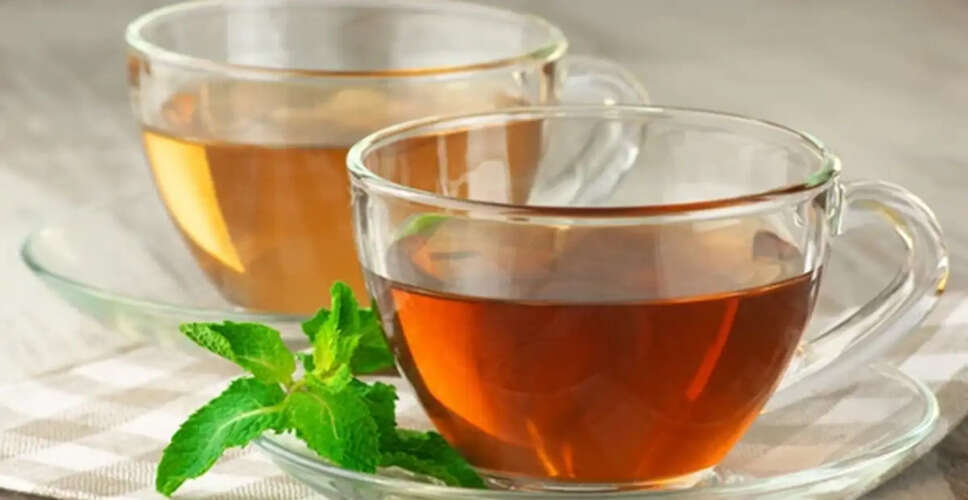

The Popularity of Tea in India
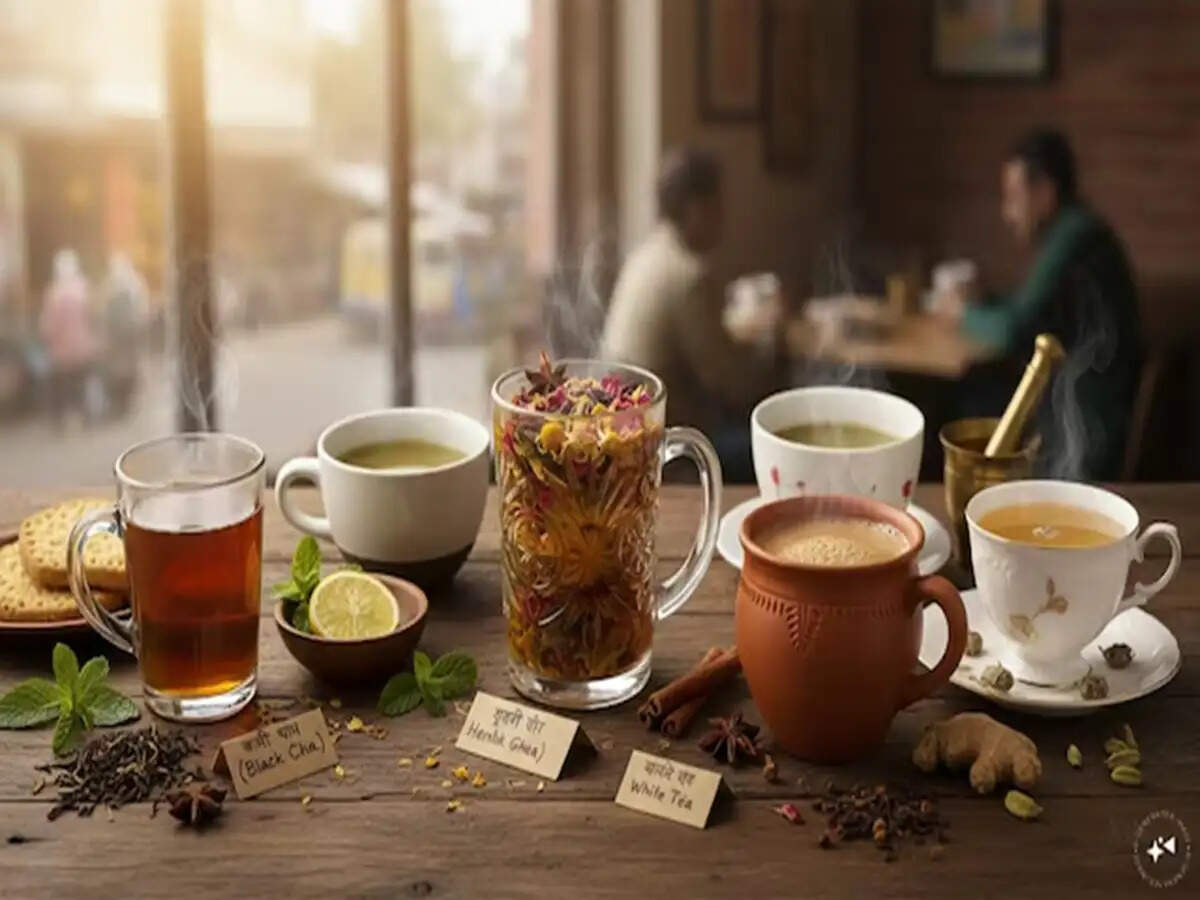
Tea holds a special place in the hearts of many in India. It serves as a morning ritual and a remedy for daily fatigue, leaving drinkers feeling rejuvenated. However, it's important to note that not all teas are created equal; each type offers unique advantages and disadvantages. Here, we will explore some of the most prevalent tea varieties.
1. Black Tea
Black Tea
Black tea is the most consumed tea globally and is known for its high caffeine content.
Benefits:
- Provides an energy boost.
- Packed with antioxidants.
- Supports heart health.
- Improves mental clarity.
Drawbacks:
- Excessive intake may disrupt sleep patterns.
- Can increase stomach acidity, causing discomfort.
- Overconsumption might impact blood pressure.
2. Green Tea
Green Tea
This tea is favored by those focused on health and wellness.
Benefits:
- Aids in weight management.
- Helps detoxify the body.
- Boosts the immune system.
- Promotes healthy skin and hair.
Drawbacks:
- Drinking on an empty stomach can lead to nausea.
- Overindulgence may result in headaches or dizziness.
- Some may experience digestive discomfort.
3. Herbal Tea
Herbal Tea
Crafted from various herbs, flowers, and spices, this tea is caffeine-free.
Benefits:
- Reduces stress and enhances sleep quality.
- Aids digestion.
- Provides relief from colds and congestion.
Drawbacks:
- Certain herbs may cause allergic reactions.
- Large quantities could interfere with some medications.
4. Masala Chai (Spiced Tea)
Masala Chai
This traditional Indian tea is infused with spices like ginger, cardamom, cloves, and cinnamon.
Benefits:
- Alleviates colds and coughs.
- Aids in digestion.
- Provides warmth and comfort.
- Combines delightful flavor with medicinal benefits.
Drawbacks:
- High sugar and milk content can lead to increased calorie intake.
- Overconsumption may cause gas or acidity.
5. White Tea
White Tea
This minimally processed tea is rich in antioxidants.
Benefits:
- May reduce signs of aging.
- Supports heart health.
- Promotes healthy skin.
Drawbacks:
- Generally more expensive than other teas.
- Excessive intake may lead to caffeine-related side effects.
Conclusion
Tea is a beloved beverage with a variety of types, each offering distinct benefits and drawbacks. Understanding these can help individuals make informed choices about their tea consumption.