
Exploring the Distinct Rituals of North and South Indian Temples
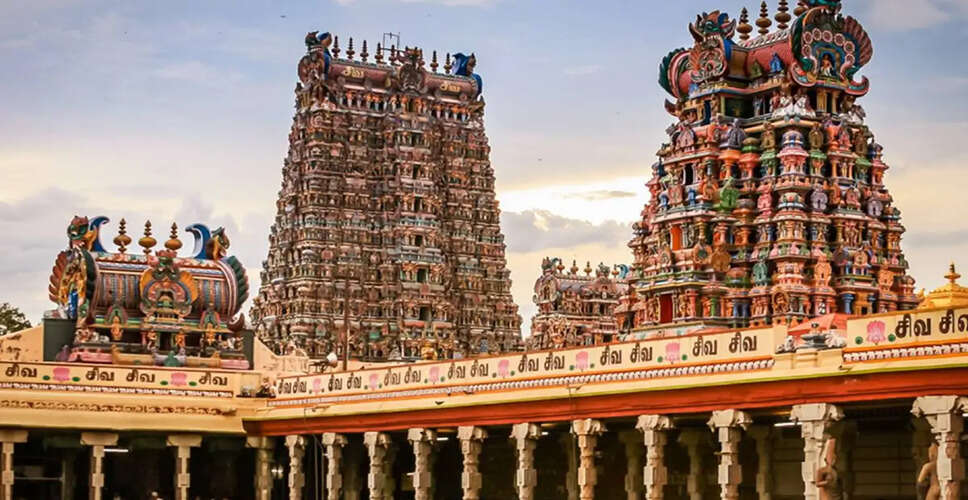

A Journey Through India's Sacred Spaces
Traveling from a temple in Varanasi to one in Madurai reveals a remarkable contrast. The mantras chanted, the pace of rituals, and the manner in which devotees receive blessings all reflect unique regional characteristics.
Over centuries, the traditions surrounding Indian temples have been shaped by various dynasties, climates, languages, and philosophical influences. While the spiritual essence of temples in both North and South India is similar, their rituals exhibit notable differences. Below, we highlight five significant ritualistic distinctions.
Temple Architecture and Devotional Flow
**Temple Structure and the Flow of Devotion**
North Indian temples predominantly feature the *Nagara* architectural style, characterized by a sanctum sanctorum located beneath a curved tower called a *Shikhara*. These temples are typically compact, allowing devotees to approach the deity directly and exit easily.
In contrast, South Indian temples are designed in the *Dravidian* style, marked by grand entrance towers known as *Gopurams*. These temples encompass vast complexes with multiple corridors, requiring devotees to navigate through several enclosures before reaching the sanctum. This architectural difference shapes the nature of rituals; Northern temples prioritize direct access, while Southern temples promote a gradual journey towards the Divine.
Worship Practices and Aarti Styles
**Methods of *Aarti* and Styles of Worship**
In many North Indian temples, the *Aarti* is a lively communal event, with lamps waved in sweeping circular motions, accompanied by loud bell ringing, as devotees participate together.
Conversely, worship in South Indian temples is often conducted in strict accordance with *Agamic* principles. The light offering, known as *Deepa Aradhana*, is typically performed by the priest within the sanctum, with devotees receiving the flame as a blessing afterward.
Language and Religious Practices
**Differences in Language and Religious Tradition**
While Sanskrit mantras are prevalent in North Indian temples, devotional songs in Hindi and other regional languages are also common, with *Bhajans* and *Kirtans* playing a vital role in temple culture. In South India, rituals adhere to the *Agama Shastras*, where Sanskrit is significant, but there is also a strong emphasis on classical devotional hymns in Tamil, Telugu, or Kannada.
Offerings and Prasad Variations
**Differences in Temple Offerings and *Prasad***
Regional culinary traditions are reflected in the variations of *Prasad* (sanctified food offerings). In North India, sweets like *Laddu* and *Peda* are typically offered to the deity after worship.
In contrast, South Indian temples often present rice-based dishes such as *Pongal*, curd rice, or tamarind rice. The kitchens in South Indian temples usually operate under stringent traditional guidelines.
Festivals and Ritual Processions
**Rituals and Processions Associated with Festivals**
In North India, temple festivities often revolve around storytelling traditions, devotional songs, and celebrations for special occasions like *Navaratri* or *Janmashtami*.
On the other hand, South Indian temple festivals are meticulously planned events. During annual celebrations, deities are paraded in ceremonial processions on elaborately decorated chariots, with the timing and sequence of rituals being carefully orchestrated.
Conclusion
PC Social Media