
Exploring the Dark Reality of Plural Wives in Trust Me: The False Prophet
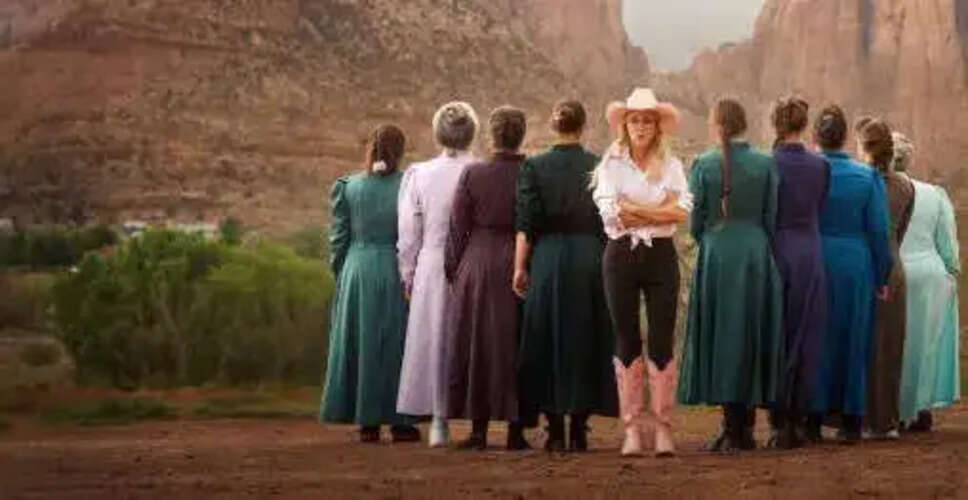

Understanding Plural Wives in Context
For those tuning into the documentary series Trust Me: The False Prophet, a recurring phrase is 'plural wives.' While it may initially seem outdated, the term carries a much darker implication within the context of this unsettling documentary. Essentially, 'plural wives' denotes a man having multiple wives simultaneously, a practice known as polygamy. However, the series illustrates how this notion can be manipulated into a mechanism for control, abuse, and exploitation. It chronicles the harrowing true story of Samuel Rappylee Bateman, a self-styled religious leader who exploited faith to perpetrate horrific crimes. The documentary features real-time footage captured by cult researcher Christine Marie and her husband Tolga Katas, providing viewers with an intimate glimpse into how Bateman cultivated and sustained his influence.
Decoding the Concept of 'Plural Wives'
Historically, plural marriage has existed across various cultures and religions. Yet, what Trust Me: The False Prophet exposes is not consensual adult polygamy but rather a form of coercion. Bateman is accused of marrying multiple women, including minors as young as nine, often sourced from his own male followers. In many instances, these young girls were presented as fulfilling a divine mandate, rendering it nearly impossible for them or their families to decline. The label 'wives' becomes deceptive, obscuring what authorities have characterized as abuse, trafficking, and exploitation.
By the time of his arrest, Bateman reportedly had over 20 wives, many of whom were underage. The documentary implies that these so-called marriages were driven more by a thirst for power than by genuine belief, establishing a framework where questioning authority was nearly unthinkable. Another term frequently mentioned in the documentary is FLDS, which stands for the Fundamentalist Church of Jesus Christ of Latter-Day Saints. This group is a splinter sect from the mainstream Church of Jesus Christ of Latter-day Saints. Although the LDS Church officially abandoned polygamy over a century ago, the FLDS continues to practice it, often within tightly controlled communities. Many of its members reside in isolated regions such as the twin towns of Colorado City, Arizona, and Hildale, Utah, where the church's influence remains strong.
While not all plural marriages are inherently abusive, the documentary highlights how such systems, when combined with isolation and unquestioned authority, can foster environments ripe for manipulation. What makes Trust Me: The False Prophet particularly disturbing is its raw, unfiltered footage. Bateman permitted cameras into his inner circle, seemingly convinced of his own moral superiority. This access reveals not only his actions but also the psychological dynamics at play. For many viewers, the term 'plural wives' may have initially appeared as a cultural or religious concept. However, the series compels a more profound reflection: at what point does belief transition into abuse?
As discussions surrounding cults and religious extremism gain momentum online, this documentary resonates deeply. It transcends the story of a single individual, highlighting how easily language can obscure far more sinister realities. Consequently, audiences engaging with the docu-series are unlikely to forget the term 'plural wives' anytime soon.