
Exploring the Burj Khalifa: Dubai's Iconic Skyscraper
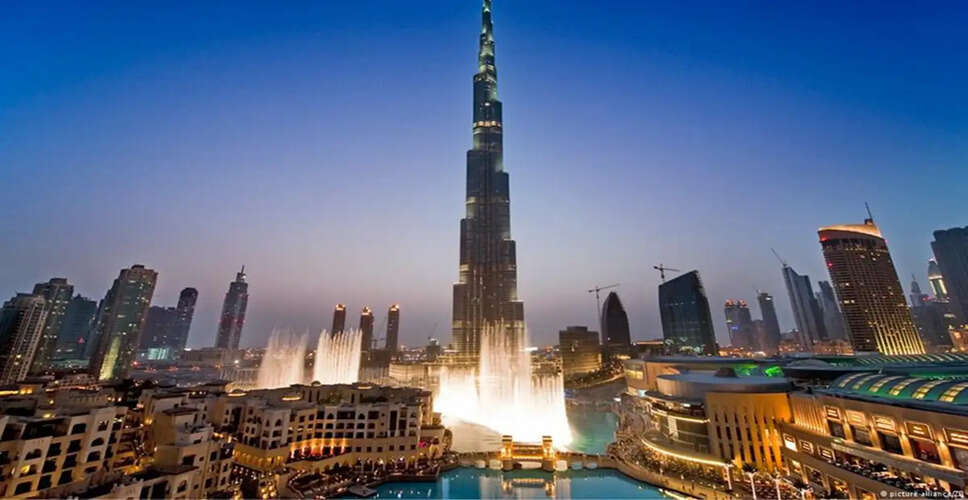
The Iconic Burj Khalifa
When discussing Dubai, the Burj Khalifa inevitably comes to mind. Standing at an impressive height of 828 meters, this architectural marvel is not merely a tourist attraction but a testament to Dubai's ambition, rapid growth, and achievements. It's a dream for many to witness this iconic structure at least once in their lifetime.
Since its public opening in 2010, the Burj Khalifa has captivated visitors from around the globe. However, few delve into the story behind its construction. Let's explore the origins of this extraordinary building and what it encompasses.
Inception of the Burj Khalifa
The driving force behind the Burj Khalifa's construction was the desire for diverse revenue streams. The Dubai government aimed to reduce its dependence on oil and sought to create a landmark that would draw investors and tourists alike.
This vision led to the concept of a vertical city, integrating residential spaces, offices, luxury hotels, and entertainment venues all within a single structure.
Construction Journey
Construction of the Burj Khalifa commenced in 2004, and astonishingly, this colossal structure was completed in just five and a half years, by October 2009.
Designed by Adrian Smith and Bill Baker from the esteemed architectural firm SOM, the building is engineered to endure extreme weather conditions and high winds.
Unique Features of the Burj Khalifa
The exterior boasts 26,000 heavy glass panels, installed by over 300 skilled craftsmen from China. Its spire, weighing 4,000 tons, was ingeniously fitted from within the building rather than from the outside.
In terms of amenities, the Burj Khalifa receives around 9.4 lakh liters of water daily and features 57 elevators, including the tallest service elevator globally, capable of carrying up to 5,000 kg.
Financial Insights
The construction cost of the Burj Khalifa was approximately $1.4 billion, named in honor of Khalifa bin Zayed Al Nahyan, the ruler of Abu Dhabi, who significantly funded the project.
The building generates an estimated $621 million (around Rs. 5,154 crores) annually from ticket sales alone. Additionally, the luxury apartments here are priced in the crores, contributing billions to Dubai's real estate sector.
Inside the Burj Khalifa
The first floor houses a luxurious hotel from a prestigious brand, while the upper levels feature private apartments designed by Giorgio Armani.
On the 122nd floor, a stunning restaurant offers a dining experience among the clouds.
Observation decks on the 124th, 125th, and 148th floors provide breathtaking 360-degree views of Dubai.
Additionally, the Burj Khalifa includes expansive corporate offices, a spa, a gym, and a swimming pool, all contributing to its status as a true architectural masterpiece.