
Exploring Japanese-Inspired Mehendi Designs: A Trendy Twist

The Rise of Japanese Mehendi
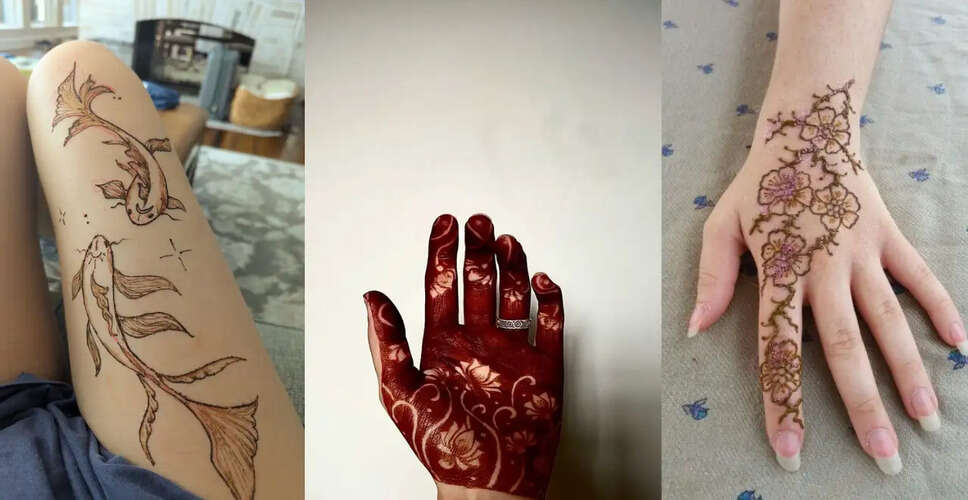
Currently trending on Pinterest is a unique style of mehendi that diverges from traditional paisleys and mandalas. Featuring cherry blossoms winding around wrists, koi fish elegantly positioned on hands, and even the iconic wave from Hokusai, Japanese-inspired mehendi has gained significant popularity. The appeal of this style is evident once you explore a few examples. Mehendi artists have historically drawn inspiration from various cultures, and the simplicity and elegance of Japanese art translate beautifully onto skin. Here are eight captivating designs to consider, whether for a special event or simply for inspiration.
Sakura Blossom Mehendi
Sakura Blossom Mehendi
The cherry blossom season in Japan is fleeting, lasting only a few weeks, which adds to its allure. In mehendi, sakura designs appear light and airy, often resembling fine-line tattoos rather than dense henna patterns. This delicate approach likely explains its popularity as the most saved design in this category.
Koi Fish Mehendi
Koi Fish Mehendi
Koi fish hold deep symbolism in Japanese culture, representing courage and perseverance. Mehendi artists often incorporate these meanings into their designs, pairing koi with flowing water lines or lotus flowers to create a dynamic scene that flows down the forearm or across the hand.
The Great Wave Mehendi
The Great Wave Mehendi
Even those unfamiliar with art can recognize “The Great Wave off Kanagawa.” Translating its dramatic curves into henna results in a striking design that wraps around the wrist or extends toward the elbow, making it one of the most frequently recreated designs due to its iconic nature.
Japanese Crane Mehendi
Japanese Crane Mehendi
The red-crowned crane is a recurring symbol in Japanese folklore, representing longevity and happiness. In mehendi, a finely detailed crane, possibly accompanied by clouds or trailing feathers, resembles a small illustration rather than a typical henna design, making it ideal for back-of-hand applications.
Bamboo and Leaf Mehendi
Bamboo and Leaf Mehendi
Not every mehendi design needs to cover large areas of skin. Bamboo-inspired patterns maintain a narrow and vertical aesthetic, featuring a stalk and scattered leaves that draw on Japanese themes of resilience and strength. This style serves as a subtle alternative to more traditional, densely packed designs.
Japanese Fan Mehendi
Japanese Fan Mehendi
The folding fan, or sensu, is a common motif in Japanese art and makes for a stunning centerpiece in mehendi. Artists often embellish the fan shape with florals, geometric patterns, and intricate linework, creating an ornate focal point on the palm or back of the hand without overwhelming the design.
Torii Gate Mehendi
Torii Gate Mehendi
A torii gate signifies the entrance to a Shinto shrine, marking the transition from the mundane to the sacred. In mehendi, a small torii nestled among mountains or soft clouds evokes a sense of nostalgia, particularly for those who have visited Japan. Its uniqueness makes it a standout choice.
Japanese Maple Leaf Mehendi
Japanese Maple Leaf Mehendi
Momiji, or the Japanese maple, is celebrated for its stunning autumn colors, influencing many travelers' plans. As mehendi, cascading maple leaves paired with delicate vines capture the essence of the season. The distinctive shape of the leaves ensures clarity even in the finest linework, contributing to its photogenic quality.