
Essential Winter Skincare: Understanding Moisturizers, Lotions, and Cold Creams
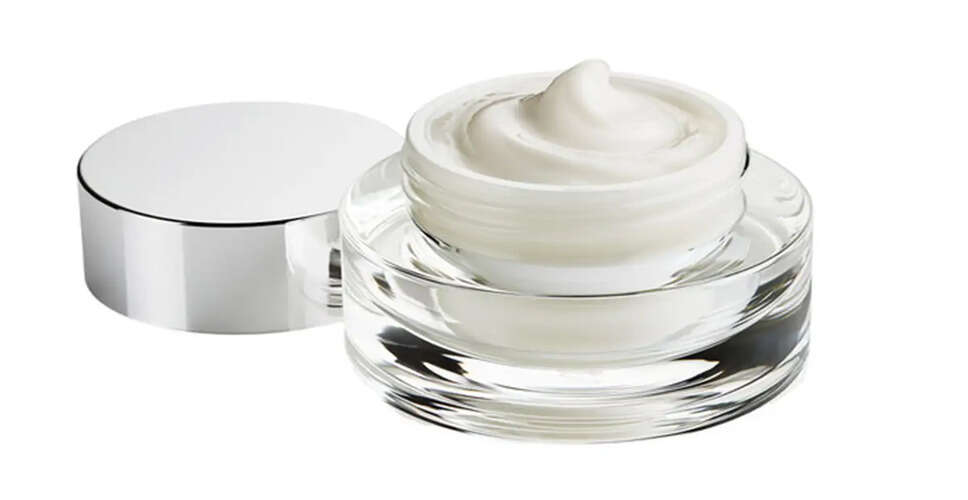

Winter Skin Care Essentials
Winter Skin Protection: As the cold season sets in, our skincare routines must adapt, leading to a shift in the products we choose. During winter, many people turn to cold creams, moisturizers, and lotions. Some prefer applying lotion post-bath, while others may use cold cream for facial hydration. Alternatively, a moisturizer might be the go-to choice. Before you apply these products, take a moment to consider their distinct roles and formulations.
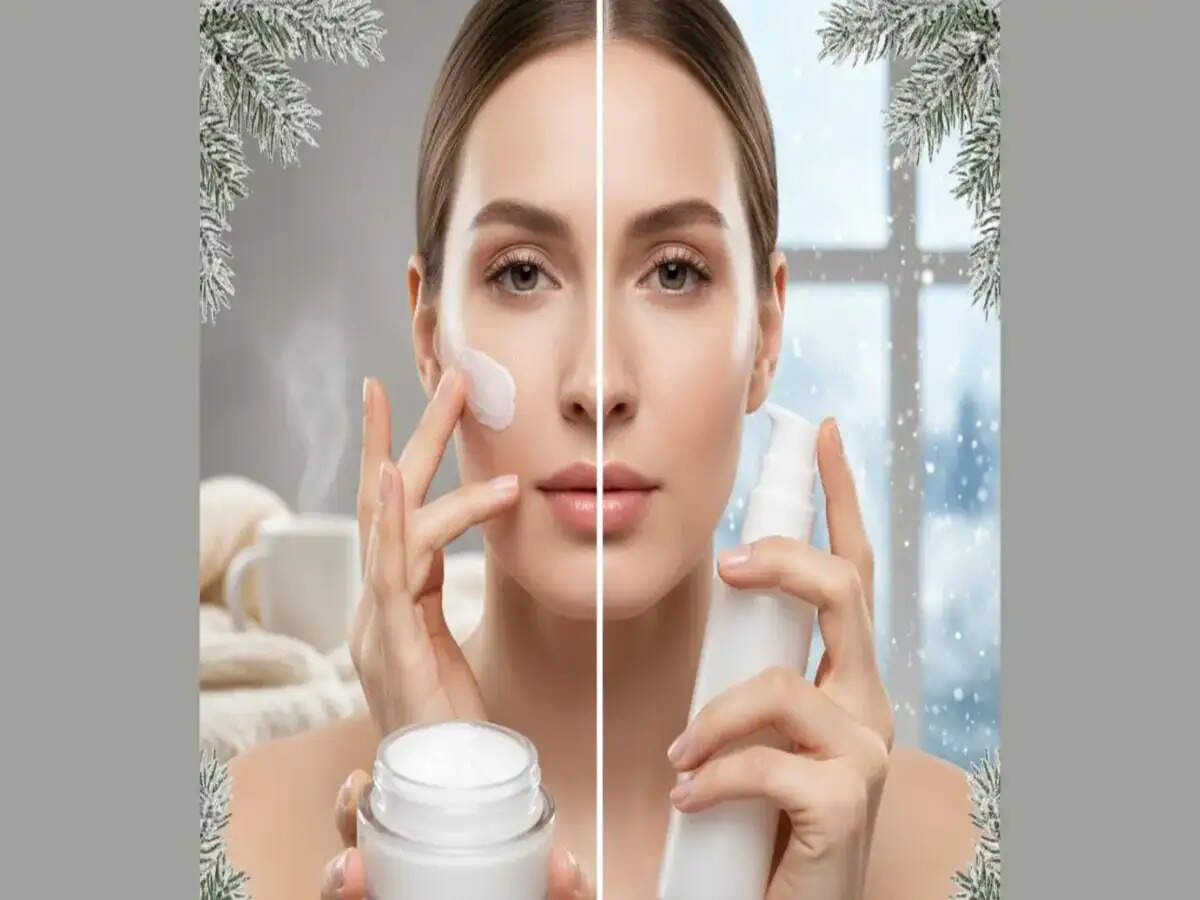
Choosing the right product hinges on your skin's unique requirements, the climate, and the specific area being treated. Using an inappropriate product can hinder your skin from receiving the intended benefits. Let’s delve into the distinctions between cold creams, moisturizers, and lotions, and learn when to use each.
Understanding Moisturizers
1. What is a moisturizer, and what does it do?
- To begin, moisturizers are vital skincare products suitable for use throughout the year.
- Available in both cream and lotion forms, they consist of a lightweight mixture of water and oil that absorbs quickly into the skin.
- The main purpose of a moisturizer is to maintain skin hydration and restore lost moisture. It penetrates deeply, ensuring hydration without leaving a greasy feel.
- Suitable for all skin types—normal, oily, dry, and sensitive—the only variation is that oily skin benefits from gel-based or water-based moisturizers, while cream-based options are better for dry skin.
- For optimal results, apply moisturizer right after bathing or washing your face, while your skin is still slightly damp. It can be used both day and night.
The Role of Body Lotions
2. What is a body lotion, and how does it work?
- As indicated by its name, body lotion is specifically formulated for the skin on the body rather than the face.
- This product is liquid and contains a high water content, making it lightweight and easy to spread over larger areas.
- It helps keep the skin soft and combats dryness. Due to its lightweight nature, it doesn’t feel sticky when dressing after application.
- Intended for use on arms, legs, back, and other body parts, it’s best to avoid applying body lotion on the more sensitive facial skin.
- For best results, apply body lotion all over your body daily after bathing to maintain moisture throughout the day.
Cold Cream: A Winter Staple
3. What is a cold cream, and how does it work?
- Cold cream is one of the oldest skincare products, particularly favored during winter, with a rich history.
- This oil-based cream has a low water content and a high concentration of oil or wax, resulting in a thick consistency.
- When applied to the face, it creates a protective barrier that locks in moisture and shields the skin from cold winds. Its cooling sensation upon application is why it’s referred to as 'cold cream.'
- It is especially beneficial for extremely dry and dull skin.
- Best used during the harsh winter months, it can be applied at night before sleep or just before going outdoors. However, those with oily skin should be cautious, as it may lead to breakouts.

The American Academy of Dermatology (AAD) suggests that creams or ointments are generally more effective than lotions for treating dry skin.
Ultimately, remember that a higher price tag or thicker cream does not guarantee better results. Understanding your skin's specific needs is crucial. If a product causes irritation, redness, or itching, discontinue use and consult a dermatologist if necessary.