
Essential Vastu Guidelines for Your Kitchen
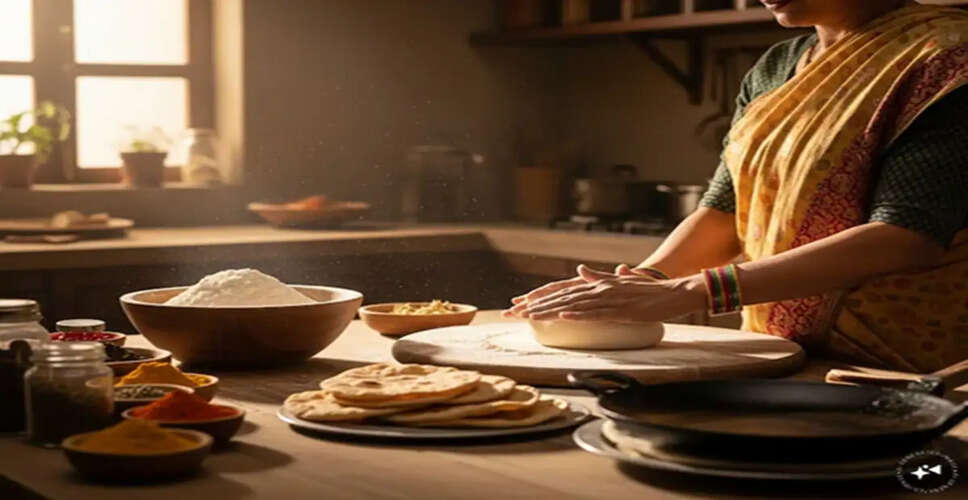
Vastu Insights for Kitchen Harmony
Understanding Kitchen Energy: The kitchen serves as more than just a cooking area; it is viewed as the energy hub of the home. Consequently, even minor habits in the kitchen are regarded with significant importance in traditional practices. For instance, many families prepare rotis by counting them according to the number of family members, aiming to prevent waste or shortages. However, Vastu and cultural beliefs suggest that this practice is not advisable, as counting food can foster a sense of scarcity, potentially affecting the household's prosperity.
Astrologer and Vastu expert Pandit Hitendra Kumar Sharma from Bhopal advises that preparing 2-3 extra rotis is beneficial. This act symbolizes abundance and ensures that food is plentiful in the home. Food is revered as a manifestation of Goddess Annapurna, and thus, the kitchen should not embody a sense of lack. Let’s delve into why counting rotis is deemed inauspicious and explore some essential kitchen practices that promote well-being.
The Inauspicious Nature of Counting Rotis
Why Counting Rotis is Discouraged:
In Vastu philosophy, food is seen as the cornerstone of prosperity and vitality. Counting rotis implies that food is scarce, leading to a mindset of limitation. This perspective can gradually cultivate feelings of deprivation. It is believed that deities like Annapurna and Lakshmi favor homes where food is welcomed with generosity. Thus, counting rotis or grains is viewed as a sign of disrespect towards them. Therefore, tradition encourages making a few extra rotis to ensure abundance in the household.
Impact of Small Habits on Kitchen Energy
Influence of Food Attitudes:
Many people perceive counting rotis as a mere practical habit, questioning its significance. However, beliefs suggest that one’s attitude towards food can shape the household environment. When everything is quantified, it inadvertently fosters a sense of scarcity among family members. This can lead to a fear of spending, resulting in a lack of financial security. Conversely, a mindset of abundance cultivates feelings of satisfaction and trust.
Positive Kitchen Practices for Energy
Essential Kitchen Rules:
1. Prepare 1-2 extra rotis.
This practice symbolizes prosperity. Leftover rotis should not be discarded; they can be offered to animals or those in need.
2. Reserve the first roti for a cow.
This is traditionally seen as auspicious, promoting charity and harmony in the home.
3. Avoid discarding leftover rotis.
Throwing away food is considered disrespectful. Instead, it’s better to feed it to a needy animal or bird.
4. Maintain a calm mindset while cooking.
The kitchen's energy is believed to permeate the entire home. Cooking in anger or stress can have adverse effects.
Additional Vastu Guidelines for the Kitchen
1. Minimize noise from the rolling board.
The loud noise produced while rolling rotis is considered inauspicious. Placing a cloth beneath the rolling board can help reduce this sound.
2. Avoid using stale flour.
Storing dough for extended periods is traditionally viewed as unfavorable. It’s advisable to knead fresh dough daily.
3. Keep pans clean and dry.
Pouring water on a hot pan is seen as inauspicious, as it can cause damage. Allow the pan to cool gradually.
4. Cook facing east.
This practice is believed to enhance health and positivity.
Does Counting Rotis Lead to Poverty?
Understanding Symbolism in Vastu:
It’s crucial to recognize that Vastu beliefs are symbolic. While counting rotis may not directly cause financial issues, it can influence one’s mindset. A perception of limitation can narrow thinking, while viewing food as abundant fosters satisfaction and confidence. This is why traditions advocate for preparing extra rotis, symbolizing prosperity rather than waste.
Achieving Balance in Food Preparation
Modern Approaches to Food Conservation:
In contemporary times, it’s essential to respect and conserve food. The ideal practice is to prepare the necessary amount while keeping one or two extra rotis. If any remain, they should be utilized appropriately. This approach prevents food wastage and eliminates feelings of scarcity, allowing for a blend of tradition and practicality.
Social Media
PC Social Media