
Essential Travel Tips for Asthma Sufferers During Winter Pollution


Traveling with Asthma: Key Considerations
Traveling with Asthma: The winter months often bring increased air pollution, which can significantly impact individuals with asthma or other respiratory ailments. If you're planning a family getaway, it's crucial to prioritize your health by assessing the air quality at your chosen destination.
Many people think that heading to mountainous or coastal regions can alleviate respiratory problems during high pollution periods. However, it's important to note that not all hill stations or tourist spots guarantee clean air. Factors such as local weather, regional pollution, dust, pollen, and cold temperatures can exacerbate asthma symptoms.
Before finalizing your travel plans, check the Air Quality Index (AQI) for your destination, review the weather forecast, and ensure that medical facilities are accessible nearby. In areas with high pollution, it may be wiser to stay indoors where the air quality is better rather than spending extended periods outside.
Opt for accommodations with effective air filtration systems, and consider visiting museums, indoor attractions, or less crowded places, provided that the indoor air quality is satisfactory.
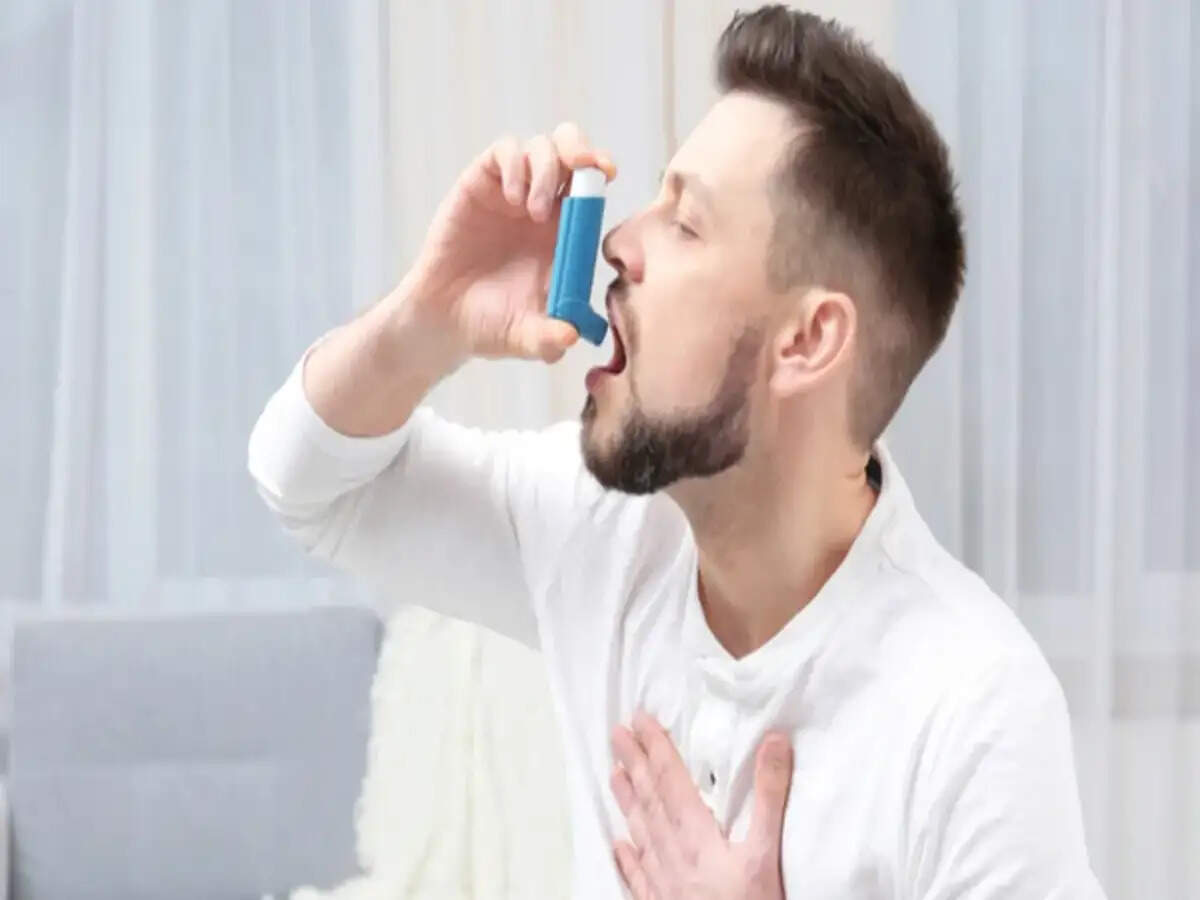
Asthma patients should always carry their prescribed medications while traveling and consult their healthcare provider before making any travel arrangements. Those who frequently experience symptoms like shortness of breath or chest tightness should seek medical advice prior to their trip.
Let’s delve into how to select a travel destination during times of elevated pollution and the precautions to take.
Choosing the Right Destination
Prioritize destinations with a favorable AQI.
Before choosing a travel spot, utilize the Central Pollution Control Board’s (CPCB) AQI dashboard to assess the air quality. Focus on locations with lower AQI readings, keeping in mind that air quality can vary from day to day. A popular tourist destination does not necessarily mean clean air.
Check the weather before visiting hilly areas.
Before traveling to a hill station, verify the local AQI, temperature, and weather conditions. Cold air can trigger or worsen asthma symptoms for some individuals. If you plan to visit high-altitude areas, especially if your asthma is not well-managed, consult your doctor beforehand.
Select indoor venues with good air quality.
Choose hotels, museums, art galleries, or other indoor attractions that ensure good air quality and provide a comfortable space to rest if necessary. However, be cautious as enclosed spaces may also harbor dust, mold, smoke, or strong odors that could aggravate respiratory issues.
Avoid crowded and polluted environments.
Steer clear of busy roads, industrial areas, construction sites, and places with smoke, as these can heighten your exposure to pollution. During high pollution days, limit outdoor activities like long walks or strenuous exercises.
Always carry your medications and inhalers.
Ensure you have your prescribed inhalers, regular medications, and any rescue medications readily available. Keep them within easy reach and adhere to the asthma action plan provided by your healthcare provider. Do not stop taking any medication without consulting your doctor.
Minimize exposure to air pollutants while traveling.
Limit outdoor time when pollution levels are elevated. If necessary, a well-fitted N95 respirator can help reduce exposure to airborne particles, but it does not offer complete protection against gases and should not replace asthma treatment. When traveling by car, use the air conditioner's 'recirculation' mode when possible.

Pause your trip if symptoms worsen.
If you experience shortness of breath, chest tightness, or increased wheezing, stop your activities and follow your prescribed treatment plan. Seek immediate medical help if you encounter severe breathing difficulties, have trouble speaking, or if your medication does not alleviate your symptoms.