
Essential Tips for Strengthening Women's Bone Health
Understanding Bone Health on International Women's Day
How to Fortify Your Bones: Every year on March 8th, International Women's Day is observed globally. This occasion not only celebrates women's achievements but also emphasizes their health. Often, women become so engrossed in caring for their families and managing household duties that they overlook their own well-being. While discussions around women's health frequently center on issues like PCOS, UTIs, or menstrual problems, another critical concern is the gradual deterioration of bone health, known medically as osteoporosis or silent bone loss.
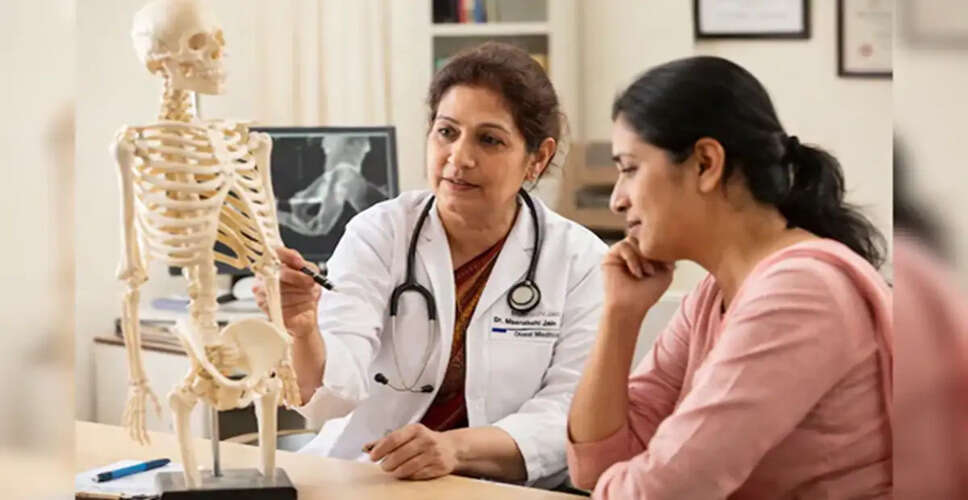
Interestingly, many women start to notice a decline in bone density after reaching 30, although symptoms may not manifest right away. This is why osteoporosis is often referred to as a silent disease. By the time women recognize the issue, their bones may already be significantly weakened, making them susceptible to fractures from even minor falls. On this International Women's Day, Dr. Meenakshi Jain, Principal Director of Internal Medicine at Max Super Speciality Hospital, Patparganj, shares insights on how women can maintain robust bone health.
Factors Contributing to Bone Weakness After 30
1. Decrease in Estrogen Levels
Estrogen is crucial for bone strength in women. As they age, the levels of this hormone decline, particularly during menopause, which can lead to weakened bones.
2. Insufficient Calcium and Vitamin D
Calcium and vitamin D are vital for bone health. A diet lacking these nutrients can result in gradual bone weakening.
3. Sedentary Lifestyle
Many women today have jobs that require long periods of sitting or do not engage in regular exercise. A lack of physical activity can diminish bone strength.
4. Smoking and Alcohol Abuse
Both smoking and excessive alcohol intake are detrimental to bone health, as they interfere with calcium absorption in the body.
5. Family History of Osteoporosis
If osteoporosis runs in the family, women may face a higher risk, making it essential to be aware of family medical history.
6. Low Body Weight
Women who are underweight may also be at a greater risk for bone loss, which requires careful attention.
The Risks of Silent Bone Loss
Why is Silent Bone Loss a Concern?
The primary issue with this condition is the absence of noticeable symptoms in its early stages. Many women may feel perfectly fine while their bone density continues to decline.
Potential Symptoms Include:
Fractures from minor injuries.
Lower back or waist pain.
Changes in posture.
Gradual height reduction.
For this reason, healthcare professionals recommend regular DEXA scans (Bone Density Tests) to monitor bone health.