
Essential Tips for Storing Lentils During the Rainy Season
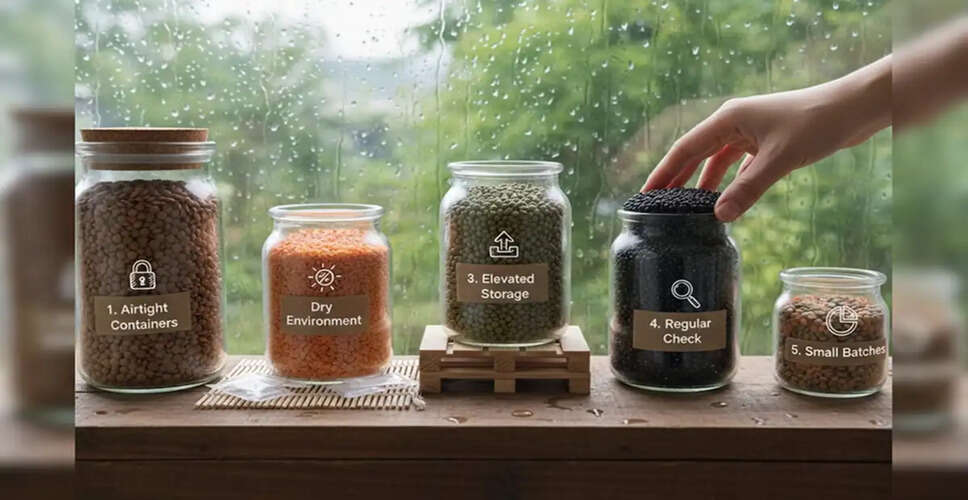

Effective Strategies for Lentil Storage
Helpful Advice: The arrival of the rainy season offers a refreshing break from the heat, but it also poses challenges for food storage in your kitchen. The increased humidity can lead to the rapid spoilage of lentils, spices, and grains. If lentils are not properly stored, they may develop mold or attract insects, which can be detrimental to your health. Fortunately, by implementing a few straightforward strategies, you can ensure your lentils remain safe for an extended period...
Utilize Airtight Containers
During the rainy season, it is crucial to keep lentils in high-quality airtight containers. This practice prevents moisture from seeping in and helps maintain their freshness. Glass or steel containers are preferable to plastic options.
Sun-Dry When Possible
Whenever the sun shines during the monsoon, take advantage of it by spreading lentils in mild sunlight for 2–3 hours. This process helps eliminate excess moisture and lowers the chances of mold or insect issues.
Incorporate Bay or Neem Leaves
Adding 2–3 dried bay leaves or neem leaves to your lentil storage can significantly decrease the risk of insect infestations. This is a traditional remedy that many households use.
Avoid Wet Hands
When handling lentils during the rainy season, always use a dry spoon or ensure your hands are dry. Even a tiny amount of moisture can trigger mold growth inside the container.
Purchase Wisely
It's advisable to avoid buying large quantities of lentils for long-term storage during the monsoon. Instead, opt for smaller amounts and replenish your supply regularly. This approach reduces spoilage risks and guarantees you have fresh lentils on hand.
Dealing with Moldy Lentils
If you discover mold, an unpleasant smell, or any unusual coloration in your lentils, do not consume them. Eating such lentils can lead to digestive issues and food poisoning. For safety reasons, it is best to discard them.
PC Social Media