
Essential Tips for Safe Facial Hair Removal: Protect Your Skin

Understanding Facial Hair Removal Techniques
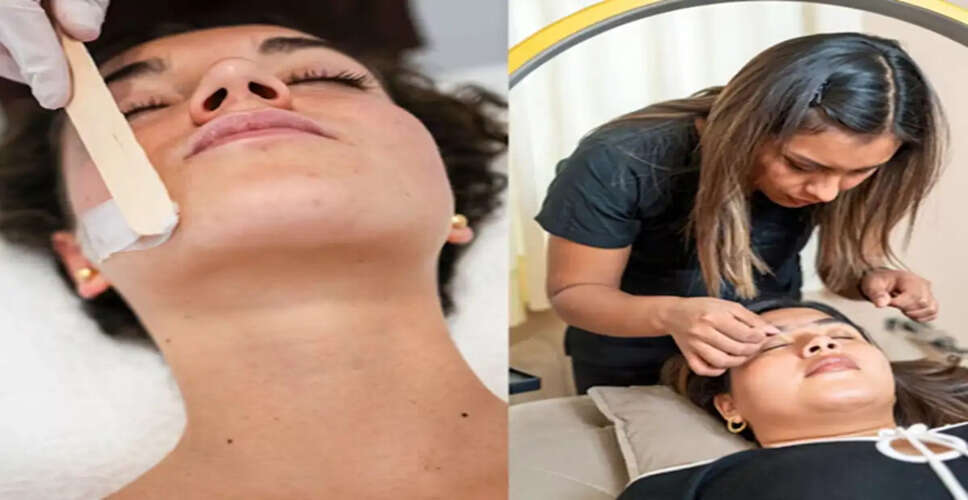
Many individuals choose waxing or threading as methods to eliminate unwanted facial hair. While these techniques have been around for quite some time, it's important to note that facial skin is much more sensitive compared to other body areas. Using improper methods or applying too much tension can lead to negative consequences. Skin specialists warn that excessive strain on facial skin may worsen conditions like premature fine lines, sagging, and wrinkles. Therefore, it is crucial to approach facial hair removal with great care.
The Risks of Threading
Threading is commonly used on areas such as the upper lip, chin, forehead, and for eyebrow shaping. This technique removes hair from the root using a thread. Although it is known for its precision, it can also cause repetitive pulling and stretching of the skin. If too much pressure is applied or the thread is used incorrectly, it may result in skin irritation, redness, and micro-trauma. Those with sensitive skin may experience pigmentation or rashes as a result.
Understanding Waxing and Its Effects
**Potential for Excessive Dryness**
Facial waxing, which utilizes hot or cold wax, is not suitable for everyone due to the delicate nature of facial skin. Hot wax can lead to skin irritation, damage to the outer layer, or excessive dryness. Abruptly pulling off the wax can place sudden stress on the skin, which is why many dermatologists recommend against frequent waxing, especially for those with sensitive skin.
The Connection Between Hair Removal and Wrinkles
**Why Might Wrinkles Increase?**
The skin's firmness and elasticity are maintained by proteins like collagen and elastin. Repeated friction, stretching, or inflammation can degrade the skin's quality over time. Thus, frequent threading, harsh waxing, or improper hair removal techniques can heighten the risk of sagging skin. While a single session may not cause immediate wrinkles, consistent misuse can lead to lasting damage.
Guidelines for Safe Facial Hair Removal
**Things to Know Before Removing Facial Hair**
Before removing facial hair, it's essential to identify your skin type. Those with sensitive, acne-prone skin, or conditions like rosacea should generally avoid waxing. Alternatives such as dermaplaning, facial razors, or professional laser treatments are safer options when done correctly. For eyebrow shaping, gentle threading may be appropriate, but it should not be done too frequently.
Post-Hair Removal Care
**Aftercare Following Hair Removal**
After hair removal, cleanse your face with cold water, apply aloe vera gel or a mild moisturizer, and refrain from using scrubs, active serums, or exposing your skin to harsh sunlight for at least 24 hours. Remember to apply sunscreen, as your skin may be particularly sensitive after the procedure.
Avoiding Common Mistakes
**Avoid This Mistake**
A common error is undergoing threading or waxing every few days without a real necessity. If your facial hair is fine and barely noticeable, there is no need to disturb the skin constantly. By using proper techniques, allowing adequate time between sessions, and adhering to aftercare routines, you can safeguard your skin from harm. Given the delicacy of facial skin, it's vital not to compromise its health just for hair removal.
Stay Informed
PC Social Media