
Essential Tips for Safe Bottle Feeding Your Baby
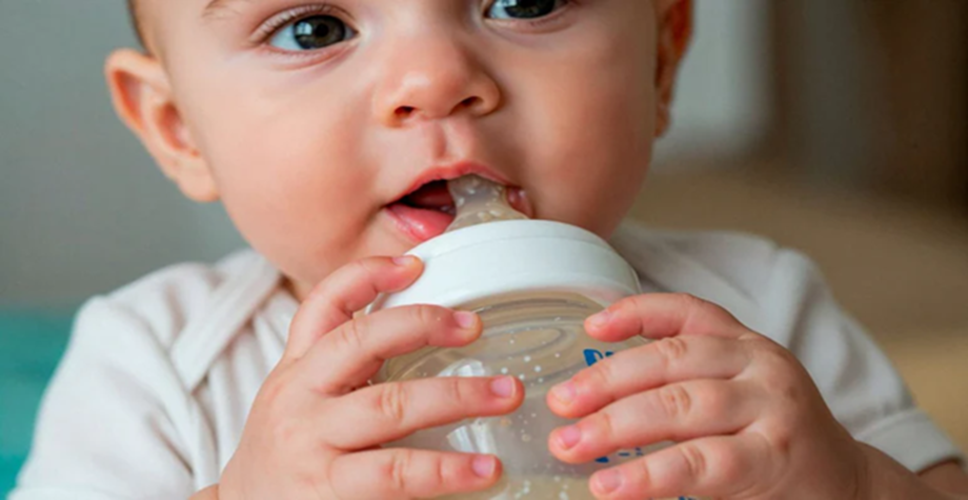
Guidelines for Bottle Feeding Babies
How to Bottle Feed Babies: Ensuring the health and nutrition of infants and young children involves not just a balanced diet but also the proper technique for feeding. Parents often make errors during bottle feeding that could lead to significant health issues later on. To address this, pediatrician Dr. Ravi Malik recently shared insights on his Instagram account, highlighting common bottle-feeding mistakes. Here are some key points parents should consider to safeguard their children's health.
1. Cleaning the Bottle
Always ensure that the bottle used for feeding is clean and safe. To sanitize, parents should boil the bottle nipple and cap in water for 10 minutes to eliminate germs and bacteria.
2. Using Milk Powder Correctly
When opting for milk powder instead of natural milk, it's crucial to adhere to the recommended proportions. Use one scoop of powder for every 30 mL of water, and strictly follow the instructions on the packaging to avoid any discrepancies.
3. Checking Milk Temperature
Before feeding, always verify the milk's temperature. If it's excessively hot, it could burn the baby's mouth. To test, drop a few drops of milk on your wrist; if it feels too warm, allow it to cool down.
4. Selecting the Appropriate Nipple
Choosing the right nipple is essential. Dr. Ravi suggests selecting a nipple that allows milk to flow in drops, which helps prevent choking and makes it easier for the baby to drink.
5. Avoid Reusing Leftover Milk
Dr. Ravi advises against reusing any leftover milk from the bottle after a few hours, as this could lead to infections.
6. Feeding Position
Never feed your baby while they are lying flat, as this increases the risk of choking. Dr. Ravi emphasizes that babies should be fed in a semi-upright position to avoid any complications.
PC Social Media