
Essential Tips for Proper Winter Moisturizer Application


Understanding Winter Moisturizer Mistakes
Winter Moisturizer Mistakes: With the arrival of winter, many individuals experience skin challenges. The combination of chilly winds, reduced humidity, and indoor heating can strip the skin of its natural moisture, leading to dryness, tightness, itching, and flaking. To combat these issues, many turn to moisturizers. However, improper application can actually harm your skin rather than help it.
Common Mistakes in Moisturizer Application
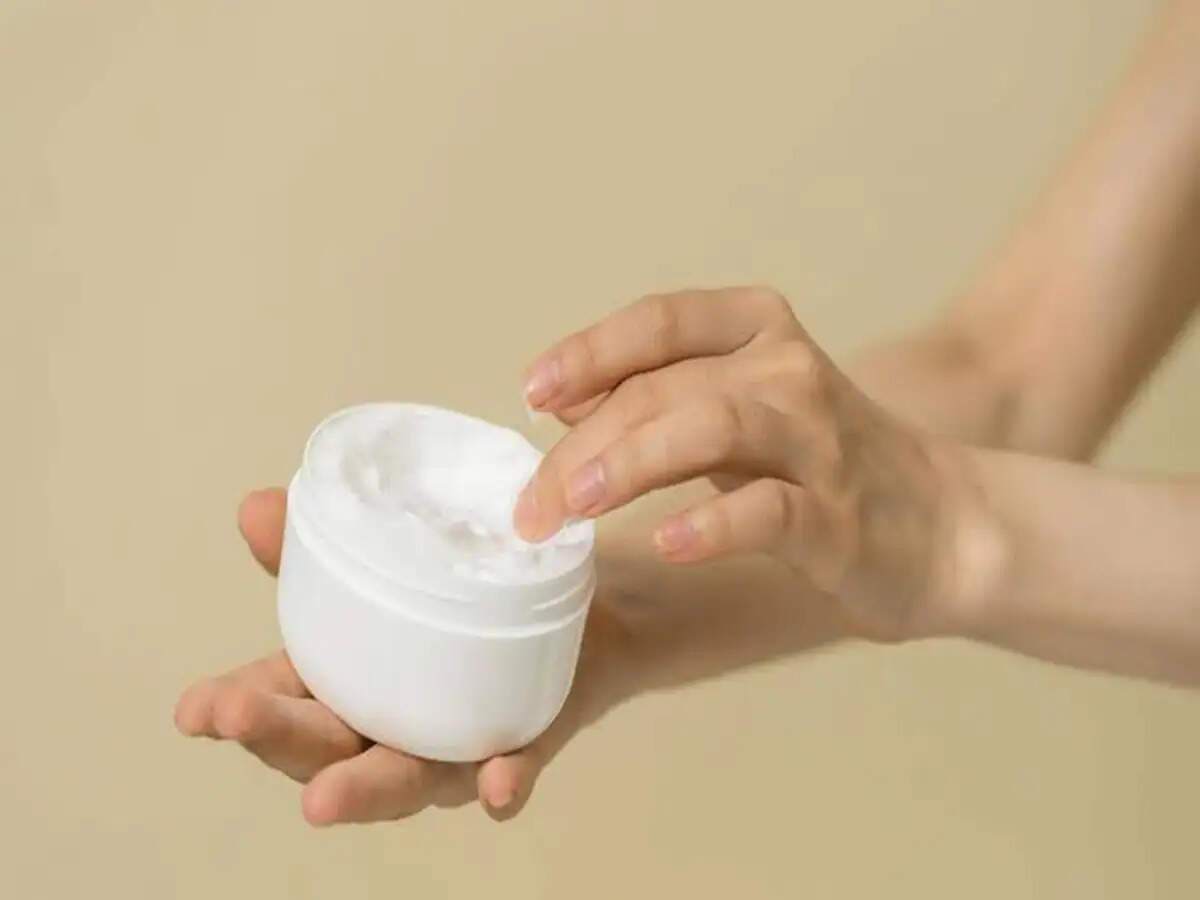
Many individuals apply creams without understanding their skin type, while others overuse moisturizer. Additionally, some wait too long after washing their face to apply cream, which can hinder the effectiveness of retaining moisture.
Experts emphasize that selecting the right moisturizer for winter is crucial, as is the method of application. To maintain soft, healthy, and hydrated skin during the colder months, it's essential to avoid these five common mistakes. Let’s explore the correct technique for applying moisturizer.
5 Mistakes to Avoid When Applying Moisturizer
1. Applying moisturizer to a completely dry face
Many people let their face dry entirely after washing before applying moisturizer. This practice can reduce the effectiveness of locking in moisture. It’s advisable to apply moisturizer while the skin is still slightly damp to help retain hydration.
2. Using the wrong type of moisturizer
Skin types vary significantly. For those with dry skin, a thicker cream may be beneficial, while individuals with oily skin should choose a lightweight, gel-based, non-comedogenic moisturizer. Using an unsuitable product can result in stickiness, acne, or irritation.
3. Overapplying moisturizer
Some believe that more cream equals softer skin, but this is a misconception. Excessive application can lead to stickiness and clogged pores. It’s important to use an appropriate amount tailored to your skin's needs.
4. Skipping sunscreen
During winter, many neglect sunscreen due to reduced sunlight. This is a significant error. UV rays can still harm your skin, even on cloudy or cold days. Always apply a broad-spectrum sunscreen with an SPF of 30 or higher after your morning moisturizer.
5. Ignoring the neck and jawline
Often, people only moisturize their face, neglecting the neck and jawline, which can lead to dryness in these areas. Ensure to include these regions when applying moisturizer.

Correct Method for Applying Moisturizer in Winter
Steps to Follow:
1. Start by cleansing your face with a gentle face wash.
2. Pat your face dry with a soft towel.
3. Apply moisturizer while your skin is still slightly damp.
4. Use your fingertips to gently spread it over your entire face and neck.
5. Don’t forget to apply sunscreen after your morning moisturizer.
6. At night, cleanse your face again and reapply moisturizer.