
Essential Tips for Proper Food Storage in Your Refrigerator This Summer

Understanding Refrigerator Use During Summer
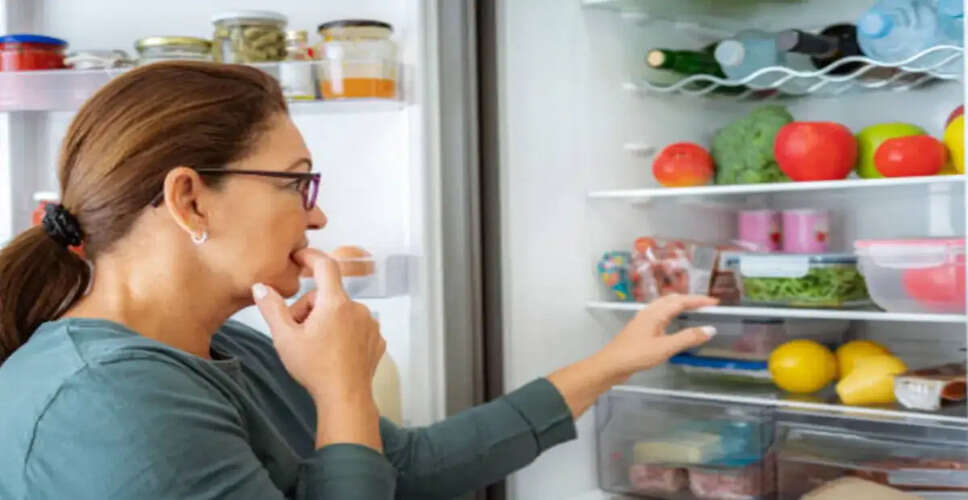
As summer arrives, households increasingly rely on their refrigerators. Many individuals assume that refrigerating all food items ensures their safety and longevity. This habit of storing everything from dairy to chopped fruits is widespread. However, is it wise to refrigerate all foods, or could improper storage methods negatively impact our health?
Expert Insights on Food Storage
Dr. Ritika Sharma, a Senior Dietitian and Nutrition Consultant at Sarvodaya Hospital in Faridabad, clarifies that while refrigeration does not make food toxic, improper storage can lead to issues. Regardless of whether food is stored in the fridge or outside, neglecting temperature and storage conditions can lead to rapid bacterial and fungal growth, posing health risks.
Avoid Refrigerating Hot Food
Dr. Ritika points out a common mistake: placing hot food directly into the refrigerator. This practice can ruin the food's taste and texture. For example, if you boil milk and immediately refrigerate it without letting it cool, bacteria may already start to grow. Additionally, if the fridge temperature exceeds 4 degrees Celsius, bacterial growth can accelerate, leading to spoilage.
Be Cautious with Cut Fruits
Storing cut fruits also requires attention. Once refrigerated, fruits can oxidize, developing a dark layer on their surface. They may also dry out and lose flavor. If kept in an airtight container, cut fruits can stay fresh for about a day; however, if exposed to air, they dehydrate quickly.
Proper Storage of Leftover Vegetables
In the summer, it’s challenging to leave leftover cooked vegetables at room temperature, making refrigeration a sensible choice if done correctly. Dr. Ritika advises against placing hot cooked vegetables directly into the fridge. Instead, allow them to cool slightly first. Hot food can cause oils to solidify and crystallize, affecting the food's quality.
Best Practices for Food Safety
Dr. Ritika emphasizes that a refrigerator can effectively preserve food, but only with proper usage. Maintain the right temperature, avoid placing hot items directly inside, and store food in covered or airtight containers. Following these guidelines can help ensure your health remains protected.
Stay Connected
PC Social Media