
Essential Tips for Preparing Your Body for Chhath Puja 2026
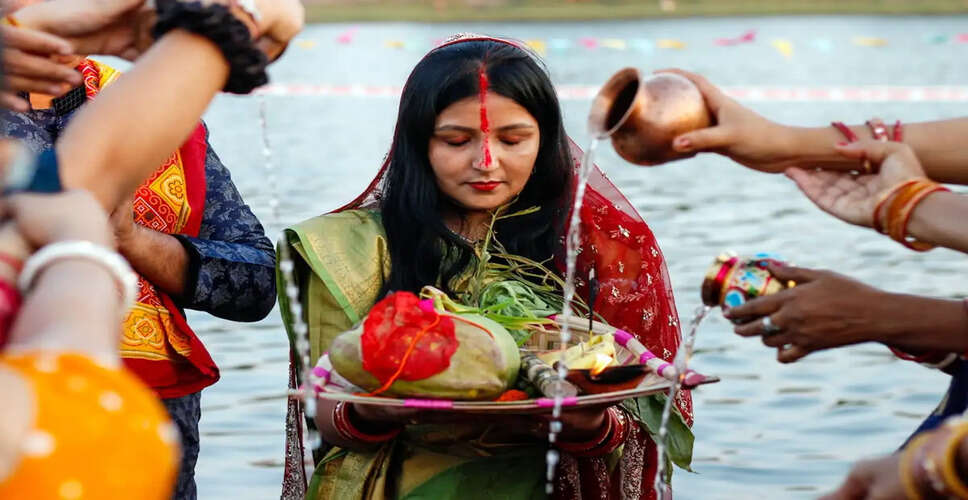

Chhath Puja 2026: Preparing for the Festival
Chhath Puja 2026: The vibrant festival of Chhath is just around the corner, and families are already gearing up for the celebrations. This festival is particularly significant in regions like Bihar, Jharkhand, Uttar Pradesh, and the Delhi-NCR area. The observance spans four days and involves strict rituals, including a *nirjala* (waterless) fast lasting about 36 hours, which begins after the *Kharna* ceremony. Therefore, it's crucial to prepare your body adequately before the fasting period starts.
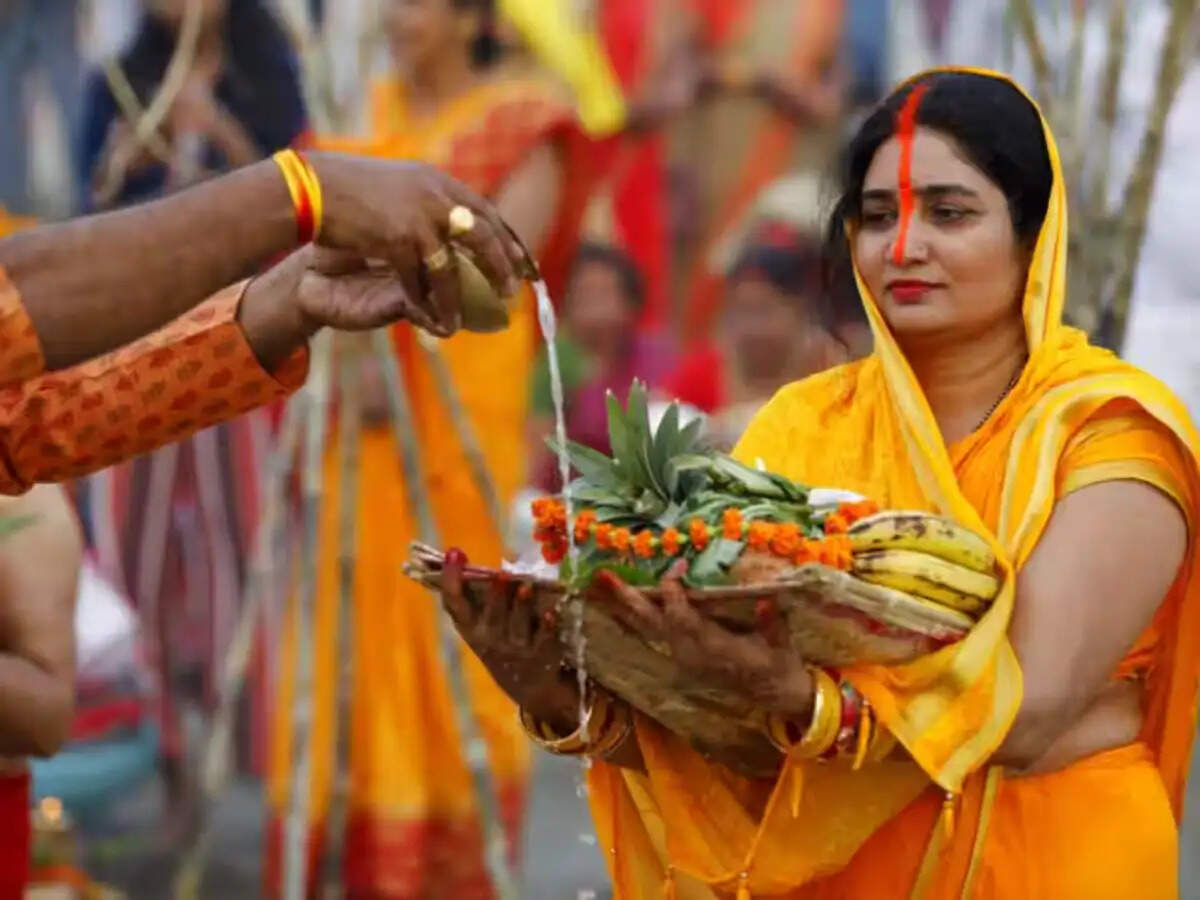
Making abrupt changes to your diet or drastically cutting down on water can result in symptoms like weakness, headaches, fatigue, and dehydration. Hence, it’s wise to focus on your nutrition and daily habits in the days leading up to the Chhath fast. Here are some key strategies to ensure your body remains healthy and robust before the fasting begins.
8 Key Strategies for Pre-Fast Preparation
1. Eat Nutritious Foods Before the Fast
In the days leading up to Chhath, include lentils, green vegetables, seasonal fruits, milk, yogurt, and whole grains in your meals. These foods are rich in essential nutrients and will help sustain your energy during the fasting period.
2. Stay Hydrated
Since the *nirjala* fast prohibits water intake, it’s vital to hydrate well before the fasting begins. Incorporate coconut water, buttermilk, and lemon water into your diet, but avoid drinking excessive amounts at once.
3. Avoid Sudden Food Intake Reduction
Some individuals cut back on food intake just a day prior to the fast, which can lead to fatigue. Instead, maintain a balanced diet leading up to the fast to help your body adjust gradually.
4. Add Fruits and Nuts to Your Diet
Fruits like bananas, apples, pomegranates, and papayas, along with a moderate amount of dry fruits such as almonds, walnuts, and raisins, provide essential vitamins and minerals to nourish your body.
5. Limit Salt and Fried Foods
Consuming excessive fried, spicy, or salty foods can increase thirst and cause digestive discomfort. Opt for light, easily digestible meals instead.
6. Ensure Adequate Sleep
With the various tasks involved in Chhath Puja, such as cleaning and ritual preparations, fatigue can set in. Make sure to get sufficient sleep in the days leading up to the fast to help maintain your energy levels.
7. Avoid Overexertion
Steer clear of intense workouts or heavy physical labor before the fast. Light activities like gentle walks are fine, but rest if you start to feel weak.
8. Consult a Doctor for Health Concerns
Those with health issues such as diabetes, hypertension, or heart and kidney problems should seek medical advice before undertaking a *nirjala* fast. Pregnant or breastfeeding women should also consult a healthcare professional.
PC Social Media