
Essential Tips for Maintaining Kidney and Liver Health

The Importance of a Healthy Lifestyle
Adopting a healthier lifestyle and diet is crucial for sustaining a fit body. However, the rise in irregular habits has notably heightened the risk of chronic illnesses, adversely affecting both the kidneys and liver.
Functions of the Kidneys and Liver
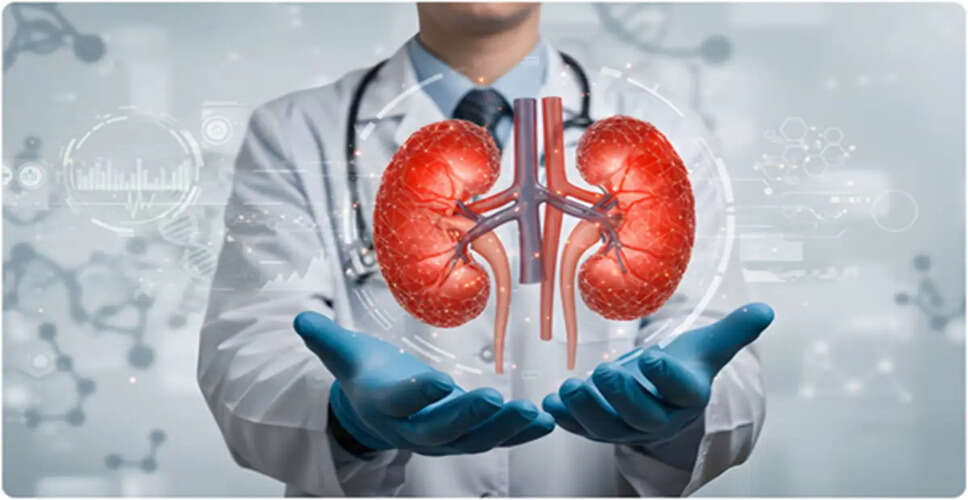
The kidneys and liver are vital organs that function tirelessly around the clock. The kidneys are responsible for filtering blood to eliminate toxins and excess fluids, while the liver carries out essential tasks such as converting food into energy, regulating metabolism, storing nutrients, and detoxifying harmful substances. The proper functioning of the body is heavily reliant on these organs.
Causes of Kidney and Liver Diseases
Health professionals highlight that obesity, diabetes, hypertension, and lifestyle choices like alcohol consumption and smoking are significant contributors to diseases affecting the kidneys and liver. It is important to understand the steps that can be taken to preserve the health of these organs.
Rising Incidence of Liver and Kidney Diseases
**Liver and Kidney Disease**
Recent medical studies reveal a concerning increase in cases of non-alcoholic fatty liver disease and chronic kidney disease globally. Alarmingly, these conditions often present no obvious symptoms in their early stages, leading to severe organ damage before they are diagnosed.
Preventive Measures for Organ Health
Experts assert that implementing timely lifestyle modifications can significantly enhance the long-term health of both the liver and kidneys. Key strategies include maintaining a balanced diet, engaging in regular physical activity, ensuring adequate hydration, and managing blood pressure and sugar levels from an early age.
Recognizing Symptoms Early
Medical professionals recommend that symptoms such as ongoing fatigue, leg swelling, changes in urine color, recurring jaundice, or abdominal swelling should not be overlooked. Early diagnosis and intervention can greatly lower the risk of severe complications.
Habits to Avoid for Better Organ Health
**Excessive Use of Painkillers**
Regular or long-term use of pain relief medications, particularly NSAIDs, can negatively impact kidney health. Some drugs can also exert excessive pressure on the liver, so it's advisable to avoid prolonged use without medical supervision.
**Alcohol and Smoking**
Heavy drinking can lead to fat buildup in the liver, hepatitis, and cirrhosis, while smoking can damage kidney blood vessels and elevate the risk of chronic kidney disease.
**High Salt and Sugar Intake**
A diet high in salt can lead to hypertension and stress the kidneys. Excessive sugar consumption and sugary drinks can contribute to obesity and fatty liver. Processed foods can be detrimental to both organs over time. Additionally, insufficient hydration can increase the likelihood of kidney stones.
**Uncontrolled Diabetes and High Blood Pressure**
Diabetes and hypertension are leading causes of kidney damage and can also heighten the risk of fatty liver. Regular health check-ups and appropriate medication can help manage these risks.
Stay Informed and Healthy
PC Social Media