
Essential Tips for Maintaining a Healthy Lifestyle

Guidelines for Healthy Living
Maintaining Good Health: Your overall health is significantly influenced by your dietary choices. The World Health Organization (WHO) emphasizes the importance of a balanced, sufficient, and moderate diet daily. This approach can lower the likelihood of developing conditions such as diabetes, heart disease, strokes, and cancer. The WHO also highlights that the groundwork for healthy eating habits is established early in life. To fend off infectious diseases, it is advisable to include foods rich in antioxidants and those that enhance immunity in your regular meals.

The WHO states that carbohydrates serve as the body's main energy source, constituting about 45 to 75 percent of your total daily energy intake. It is crucial to select carbohydrates from healthy sources, with whole grains being the best choice. This includes coarse grains like maize, pearl millet (bajra), finger millet (ragi), and brown rice. It is advisable to steer clear of sugar as a carbohydrate source. The more your carbohydrate intake is derived from whole, coarse grains, the more health benefits you will reap.
According to the WHO, protein should make up 10 to 15 percent of your daily energy intake, which equates to a requirement of 50 to 75 grams of protein for adults. Focus on natural protein sources such as milk, yogurt, lentils, beans, soybeans, eggs, fish, and chicken. Additionally, incorporating dry fruits and seeds into your diet can provide excellent protein sources.
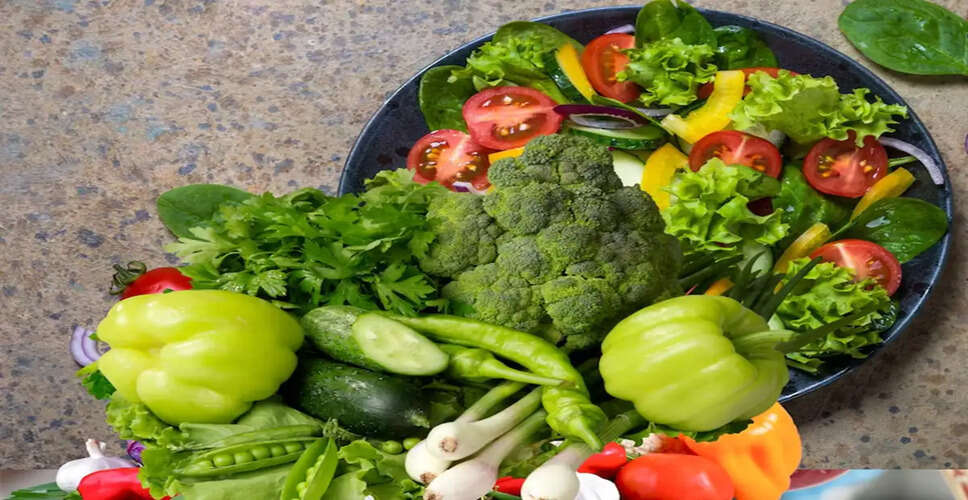
To bolster your body's defenses against infectious diseases, aim to consume at least three different types of vegetables each day, ensuring they vary in color. For instance, if you include green okra, consider adding purple eggplant and red bell peppers. Red bell peppers are particularly noted for their anti-cancer properties. Ideally, vegetables should occupy half of your plate, and it is beneficial to rotate your vegetable choices daily. Green vegetables are effective in reducing the risk of severe diseases, while cruciferous vegetables like cauliflower and cabbage can help lower cancer risk.
Incorporating a variety of fruits into your daily diet is essential. If it's challenging to do so, aim for at least two different types of fruits, preferably of varying colors. Including an apple daily can help shield you from numerous health issues. Citrus fruits, known for their sweet-and-sour taste, are excellent for boosting immunity due to their high Vitamin C content. Examples include oranges, grapefruits, kiwis, pineapples, lemons, and guavas.

Incorporate certain staples into your daily meals, such as garlic, ginger, and salads. Both ginger and garlic are revered in Ayurveda for their healing properties. Garlic is particularly effective for enhancing immunity, while ginger is known for its anti-inflammatory benefits. Additionally, including a small amount of seeds like pumpkin seeds, flax seeds, or cucumber seeds in your diet can be beneficial. Regular consumption of dry fruits (nuts and dried fruits) will further enhance your health.
PC Social Media