
Essential Tips for Dressing Kids During Seasonal Flu
Understanding Seasonal Flu in Children
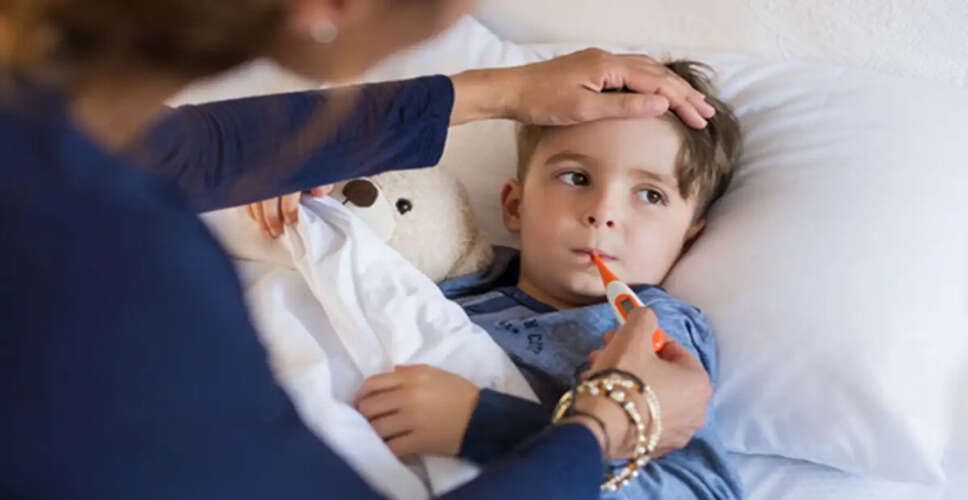
Seasonal Flu in Kids: As the weather changes, many parents notice their children developing symptoms of a "cold." In an effort to protect them, parents often overdress their kids, which can sometimes lead to health issues. Dr. Madhavi Bhardwaj, a well-known pediatrician, recently shared insights on social media, noting that her clinic is witnessing a surge in children with fevers, while parents continue to bundle them up in heavy clothing.
Impact of Weather on Health
Dr. Bhardwaj explains that as temperatures rise, the bioflora in the environment shifts, activating various viruses. The wedding season, along with increased travel and social gatherings, contributes to a rapid rise in infections. Often, these infections are passed from parents to their children. The doctor emphasizes that excessive clothing can trap body heat, leading to increased irritability and fever in children rather than providing relief.
Hygiene and Infection Risks
Risk of Infection and Neglect of Hygiene: Dr. Madhavi points out that in most cases, viral infections initially affect adults before spreading to children. Adults frequently overlook their own immunity and fail to take necessary precautions, which can lead to illness. Additionally, in an effort to prevent colds, parents may avoid bathing their children or ensuring proper hand hygiene, which can further facilitate the spread of infections. It's important to remember that viruses causing colds, coughs, and gastrointestinal issues are particularly active during this time.
Dressing Children During Fever
The Risk of Heavy Clothing During a Fever: Currently, temperatures are reaching 20-25 degrees Celsius, yet many still dress their children in thermal wear. Dr. Bhardwaj notes that active children naturally produce a lot of body heat. When they are dressed in heavy clothing, they may sweat excessively, leading to discomfort. In the event of a fever, it is crucial to lighten their clothing and remove thermal layers. Often, simply reducing a layer or two can help ease a child's discomfort without the need for medication.
Choosing the Right Clothing
Heat Rash and the Right Choice of Clothing: Wearing woolen clothing can increase the likelihood of heat rash in children. Dr. Bhardwaj advises against using wool and thermal wear, suggesting instead to opt for cotton layers. If temperatures drop, multiple layers of cotton can provide warmth while allowing the skin to breathe and preventing sweat accumulation.
Guidelines for Layering Clothes
How Many Clothes to Wear? Parents often wonder how many layers are appropriate for their children. Dr. Bhardwaj offers a straightforward guideline: "Children should wear one layer more than their mother." This approach helps prevent both illness and overheating. However, if a child does develop a fever, it is essential to consult a healthcare professional.
Conclusion
PC Social Media