
Essential Tips for Cooking Paneer to Maximize Protein Intake
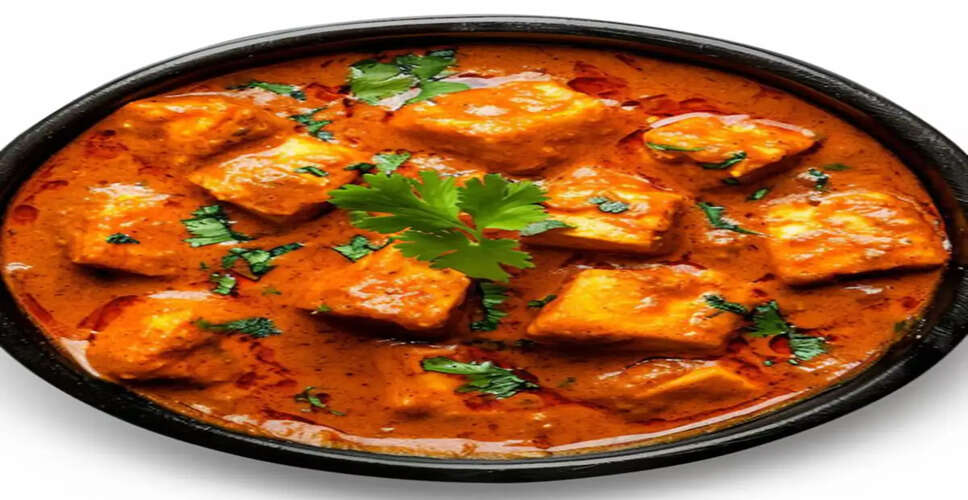
Maximizing Nutritional Benefits of Paneer
Paneer is often hailed as a vital protein source for vegetarians. It serves as a go-to option for everyone from fitness enthusiasts to growing kids, aiding in muscle recovery and development.
However, merely adding paneer to your meals isn't sufficient. The cooking method plays a crucial role in determining the nutritional value your body absorbs. Many of us unknowingly make cooking errors that can reduce the protein benefits of paneer. If you're not cooking it correctly, you might just be adding empty calories to your diet. Here are three common mistakes to avoid.
**Cooking Paneer in Boiling Water**
In an effort to soften paneer, it's common to drop it into boiling water or cook it for too long. The proteins in paneer are delicate and can be damaged by high temperatures. When exposed to boiling water above 100°C, the protein structure changes, resulting in tough and rubbery paneer. Additionally, vital nutrients like B-complex vitamins can leach into the water and be lost.
**The Correct Method:** Instead of boiling, soak hard paneer in lukewarm water for 5–10 minutes. This method softens the paneer without sacrificing its nutritional content.
**Deep-Frying Paneer**
Many dishes, such as *Matar Paneer* or *Kadhai Paneer*, often involve deep-frying paneer cubes until they are golden brown. While this enhances flavor, it is detrimental to health. Deep-frying creates a hardened exterior that makes digestion difficult. High temperatures can also oxidize the healthy fats in paneer, reducing its protein quality. Moreover, this cooking method can triple the calorie content, contributing to weight gain instead of loss.
The Right Way: Opt for sautéing paneer instead of deep-frying. This method retains both flavor and protein integrity.
Improper Storage Techniques
Paneer is a perishable item. If not stored properly, bacteria can proliferate, leading to a decrease in protein content and potential food poisoning risks.
The Right Way: To keep paneer fresh, submerge it in clean water and store it in the refrigerator. Change the water daily to maintain its freshness and protein richness for 2–3 days.
PC Social Media