
Essential Tips for a Memorable Monsoon Jungle Safari
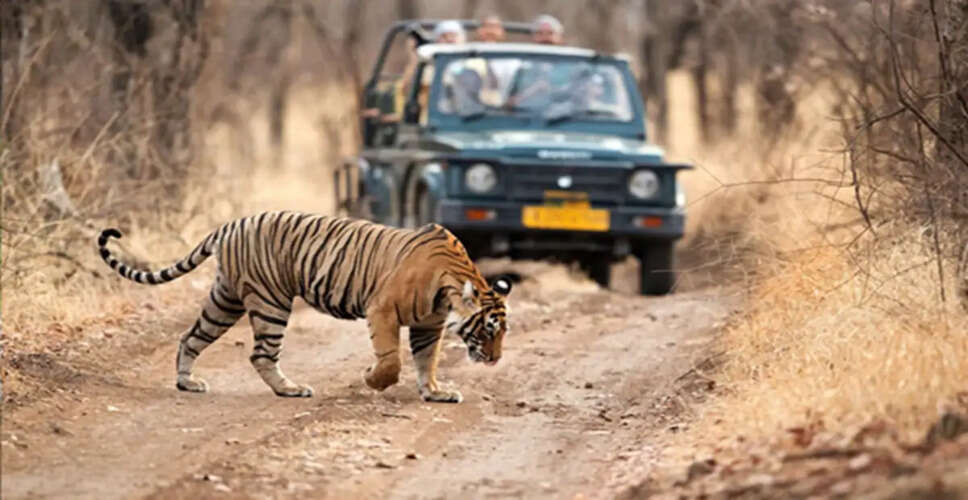

Travel Insights for Monsoon Adventures
Travel Insights: The arrival of the monsoon season brings a refreshing ambiance, lush landscapes, and stunning natural beauty. Many individuals opt for jungle safaris to escape the urban chaos during this period. The forests transform into picturesque settings, with rivers and waterfalls brimming with life, and wildlife becoming more active.
However, it’s important to note that several national parks and tiger reserves may be partially or completely closed during the monsoon for safety and conservation purposes. The combination of slippery paths, heavy rainfall, and unpredictable weather can significantly affect your travel experience.
If you’re considering a jungle safari in the monsoon, it’s essential to be informed about which parks are accessible, the necessary precautions, and how to ensure a safe and enjoyable adventure.
Is a Monsoon Jungle Safari Worth It?
Verify Park Accessibility.
Many national parks and tiger reserves in India shut down for a few months during the monsoon due to safety issues and the wildlife breeding season. Generally, most parks are closed to visitors from June 15 until the end of September or mid-October, although this can vary by location. Therefore, it’s advisable to check the official website of the park or contact the forest department before planning your visit to avoid any cancellations or inconveniences.
Challenges of the Rainy Season
Persistent rainfall during the monsoon can make forest trails slippery and muddy. Safari routes may be temporarily inaccessible due to swollen rivers and streams. Additionally, heavy rain can impair visibility, making wildlife spotting more challenging. It’s crucial to pack essentials like raincoats and waterproof shoes when traveling in such conditions. Always check the weather forecast prior to your journey.
Wildlife Behavior Changes
During the rainy season, the plentiful water and food sources cause wild animals to spread out over larger areas. They often retreat to denser forests or higher ground, making them harder to spot. Larger species like tigers and leopards are particularly elusive during this time. However, this season also brings increased activity among various birds, butterflies, amphibians, and reptiles, providing a unique experience for nature lovers.
A Perfect Season for Nature Enthusiasts
If your aim is not solely to see a tiger but to appreciate nature in its most vibrant form, the monsoon is an excellent time to explore the forest. After the rains, the woods become a lush green paradise, waterfalls cascade with vigor, and the atmosphere is refreshingly serene. This season is particularly rewarding for photography, birdwatching, and immersing oneself in nature. However, it’s vital to follow safety guidelines and heed the instructions of local authorities during your visit.
Stay Updated on Weather Conditions
Weather can change rapidly during the monsoon. Intense rain, storms, or flooding can occur within hours, potentially disrupting your travel plans. Therefore, it’s essential to check the latest updates from the meteorological department before embarking on a jungle safari. If there are warnings for heavy rain, floods, or severe weather, it’s advisable to postpone your trip.
PC Social Media