
Essential Tips for a Balanced Indian Diet


The Importance of a Healthy Diet
Maintaining a healthy body starts with improving one’s diet, which is crucial for everyone from a young age. Health professionals emphasize that the traditional Indian diet is abundant in foods that can easily supply essential nutrients.
Understanding Indian Meals
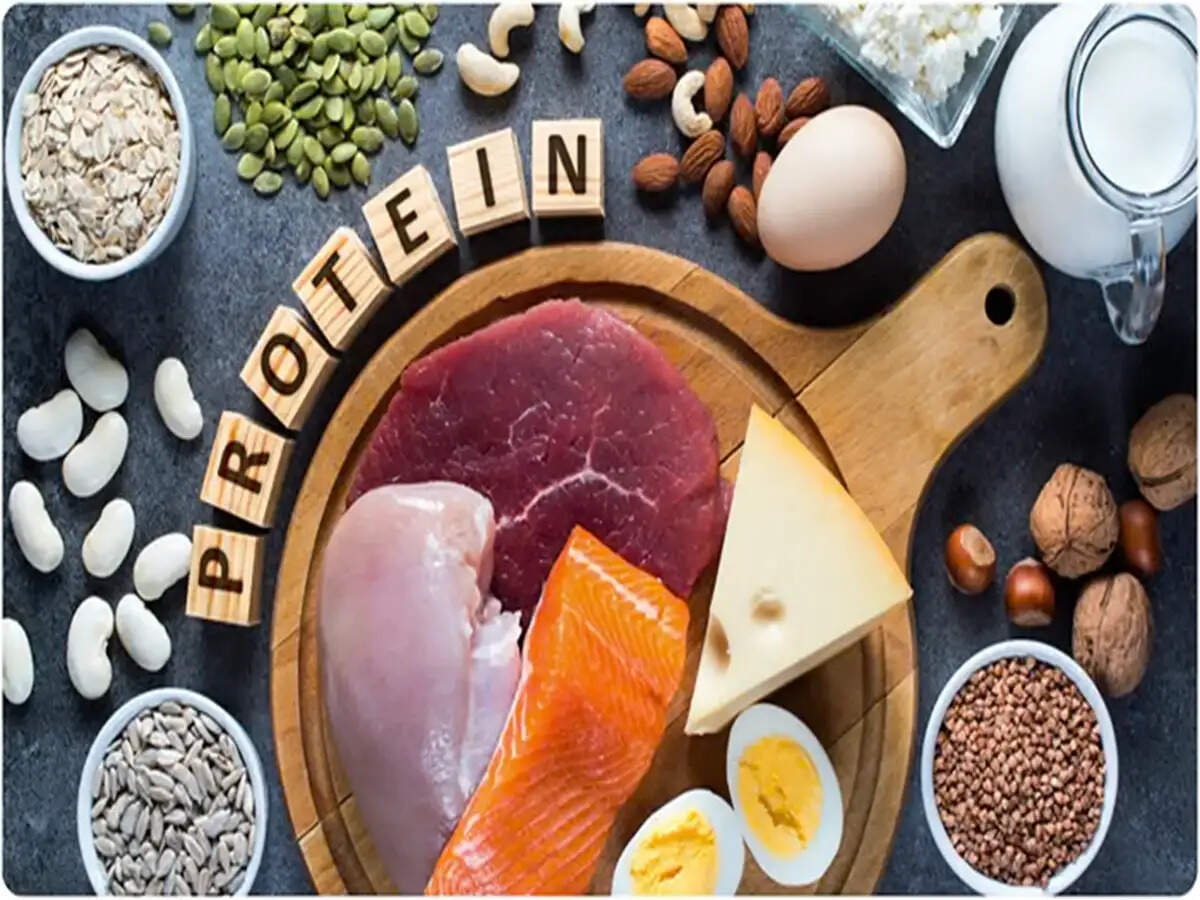
Typical Indian meals often include staples like roti, rice, lentils (dal), vegetables, and salads. While these meals may seem satisfying and well-rounded, they might not always deliver all the necessary nutrients. Even when feeling full, one might still be lacking in protein, iron, vitamin B12, folate, and other vital micronutrients. This issue usually arises not from the food itself, but from a lack of dietary variety.
The Necessity of a Balanced Diet
Is your diet lacking?
A balanced diet is crucial for individuals of all ages, as per the dietary recommendations from the Indian Council of Medical Research (ICMR). It should encompass a range of food groups, including whole grains, lentils, vegetables, and fruits.
Simply feeling full does not ensure that the body is receiving enough protein, vitamins, minerals, and fiber. A meal heavy in roti or rice but low in lentils, vegetables, fruits, dairy, or other protein sources can lead to long-term nutritional imbalances.
Addressing Protein Deficiency
Understanding Protein Needs
Foods like lentils, chickpeas, kidney beans (rajma), dairy products, and eggs are excellent protein sources. Protein is essential for muscle and tissue health, as well as various bodily functions. If your daily intake lacks sufficient variety or quantity of these foods, meeting protein needs can be challenging. A vegetarian diet can provide adequate protein if it regularly includes lentils, legumes, soy, dairy, and other appropriate sources.
Iron and Vitamin B12 Awareness
Watch for Iron and Vitamin B12 Deficiencies
Iron deficiency can lead to anemia, resulting in fatigue, weakness, and decreased performance, particularly affecting women. Vitamin B12, predominantly found in animal products, poses a risk for those on strict vegetarian or vegan diets. A lack of vitamin B12 can lead to serious health issues, including memory problems and nervous system complications. Folate is available from green leafy vegetables, lentils, and other foods.
Creating a Nutrient-Rich Plate
What Should Your Plate Include?
Experts recommend that variety is key in your diet. Incorporate lentils, chickpeas, kidney beans, and other protein sources into your meals.
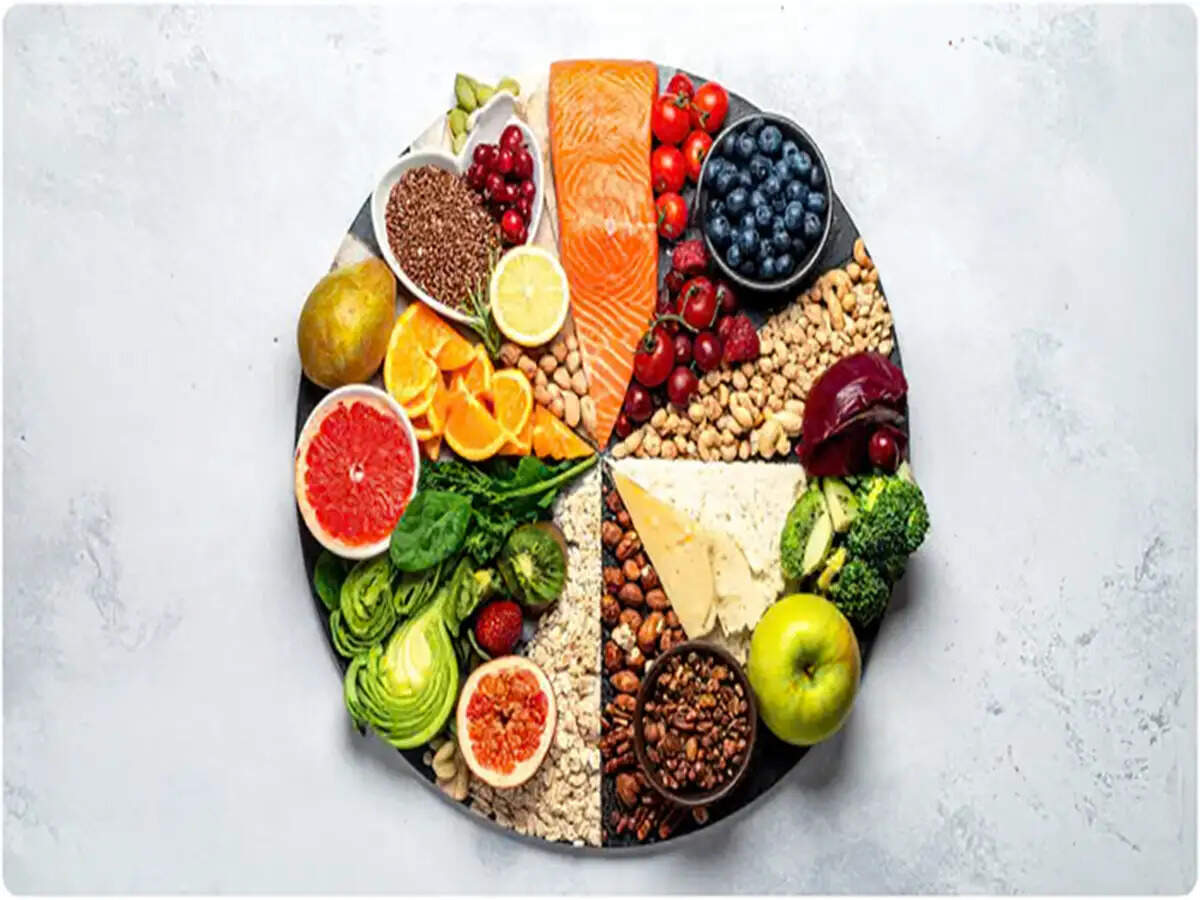
Make sure to eat a colorful array of vegetables and seasonal fruits. Include a diverse selection of whole grains and millets. Don’t forget to add dairy products like milk and yogurt, or other calcium-rich foods as necessary.
Stay Informed
PC Social Media