
Essential Sources of Vitamin D: How to Combat Deficiency


Understanding Vitamin D and Its Importance
Sunlight serves as the main source of Vitamin D, fulfilling 80 to 90 percent of our body's needs through natural exposure. This fat-soluble vitamin can be stored in limited amounts within our fat tissues, but not excessively. Therefore, prolonged periods without adequate sunlight can lead to significant Vitamin D deficiency. Surprisingly, even in sunny countries like India, over half of the population experiences this deficiency.
Dietary Sources of Vitamin D
This situation prompts the question: how can we ensure sufficient Vitamin D intake without sunlight? Dr. Priyanka Rohatgi emphasizes that a balanced diet is crucial, as sunlight alone cannot meet all our Vitamin D needs. The body requires a certain level of Vitamin D synthesis, which occurs when we consume Vitamin D-rich foods. Although it remains inactive initially, exposure to sunlight activates it, converting it into Vitamin D3, the usable form for our body.
Top Food Sources for Vitamin D
Dr. Rohatgi highlights that oily fish like salmon, mackerel, and sardines are among the best sources of Vitamin D. For those in North India, alternatives such as grass carp, singhi (stinging catfish), and tengra are also rich in Vitamin D3 and can help mitigate deficiencies.
Cod liver oil is another excellent natural source, available in both liquid and capsule forms. A single teaspoon provides more than the daily recommended intake of Vitamin D. Regular use can effectively address deficiencies, and its omega-3 fatty acids and Vitamin A contribute to joint health, inflammation reduction, eye health, and brain development. However, it’s advisable to consult a healthcare professional before starting cod liver oil.
Other Sources of Vitamin D
Egg yolks are a convenient source of Vitamin D, with most nutrients concentrated in the yolk rather than the egg white. Eggs from free-range chickens exposed to sunlight have significantly higher Vitamin D levels compared to those from caged chickens. Including whole eggs in your breakfast not only boosts protein intake but also supports bone health.
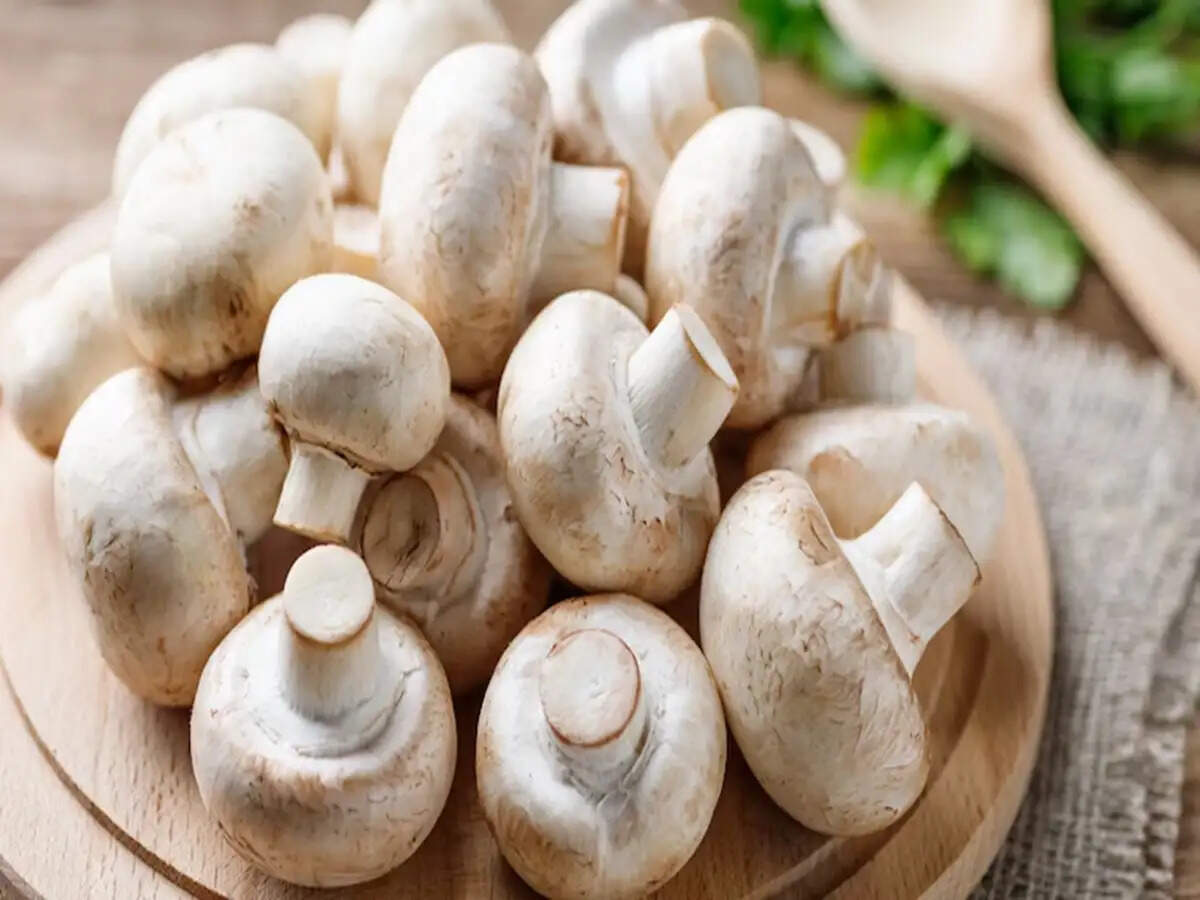
For vegetarians, mushrooms are a fantastic option as they can produce Vitamin D when exposed to sunlight. Sun-dried or UV-exposed mushrooms have increased Vitamin D2 levels, making them a great addition to various dishes like soups and salads, allowing vegetarians to enhance their Vitamin D intake without supplements.
Fortified Foods as a Solution
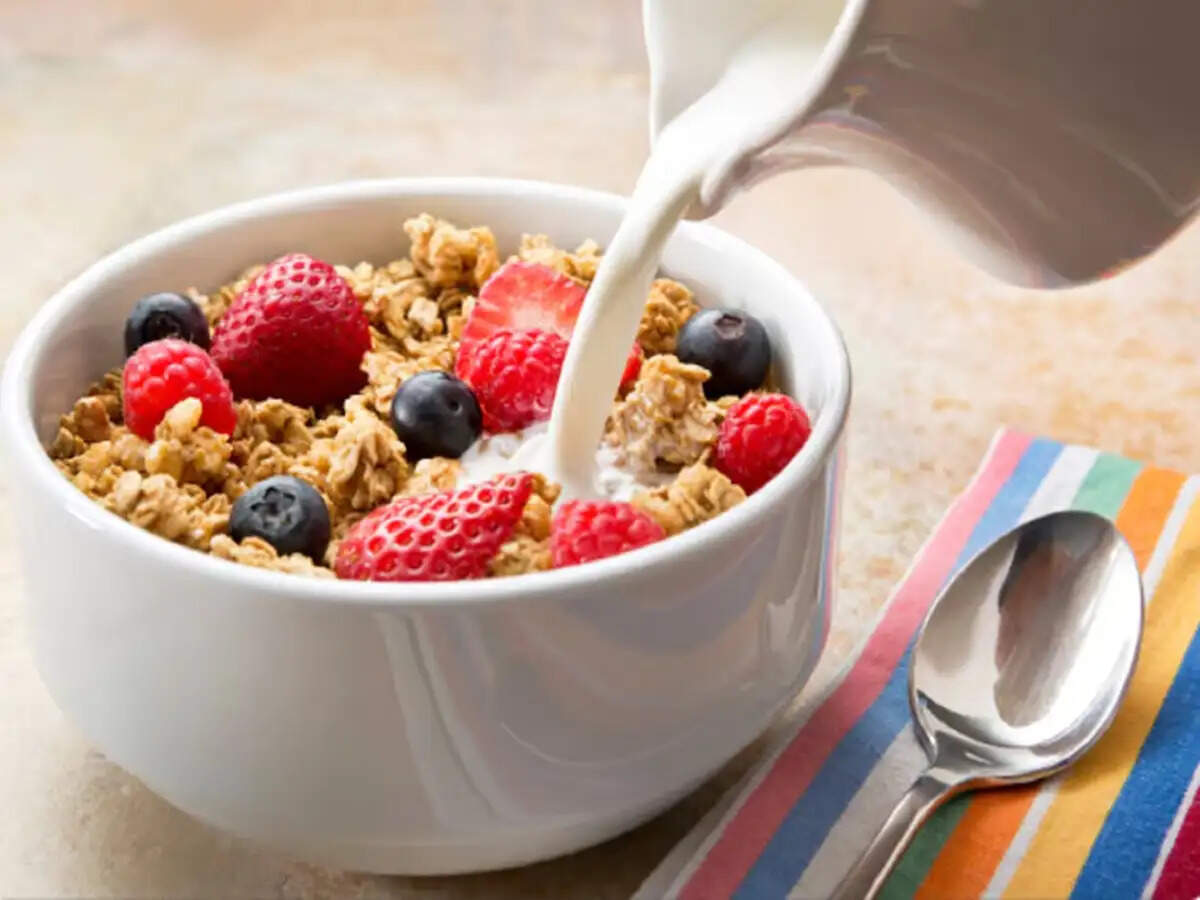
To combat Vitamin D deficiency, many food products are now fortified with this essential nutrient, including milk, orange juice, oat milk, soy milk, and cereals. These fortified foods are particularly beneficial for children, working adults, and the elderly, who often have limited sun exposure. A glass of fortified milk or orange juice can provide a sufficient amount of Vitamin D, helping to maintain overall health.
Conclusion
Incorporating these dietary sources and fortified foods into your daily routine can significantly help in managing Vitamin D levels, ensuring better health and well-being.