
Essential Rituals for Karwa Chauth 2026: What You Need to Know
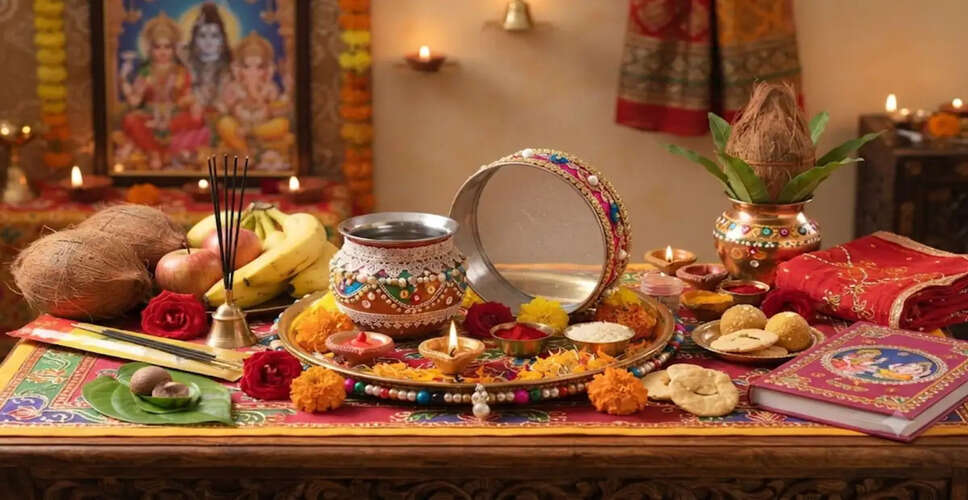

Karwa Chauth 2026 – Key Rituals and Items
Karwa Chauth 2026 – Ritual Essentials: This year, the Karwa Chauth fast will take place on Thursday, October 29. On this significant day, women observe a fast from dawn until the moon appears, praying for their husbands' long life, health, and a happy married life. During this fast, consuming food or water is strictly forbidden. A *karwa*, which is a traditional earthen pot, is essential for the fast to be deemed complete; it symbolizes 'Karwa Mata', the deity linked to this festival. The fast is only broken after offering *arghya* (a ceremonial offering) to the moon, followed by *paran* (the meal that breaks the fast). If you are participating in this fast for the first time, understanding the necessary items is crucial.

What to Include in the *karwa*?
The specific items for Karwa Chauth rituals can differ by region. Typically, women fill the *karwa* for the *puja* with pure water, often adding a small quantity of *Gangajal* (sacred water from the Ganges).
Along with water, raw (unboiled) cow’s milk can also be included in the *karwa*. If milk is unavailable, there’s no need for concern.
Since the *karwa* is used to present *arghya* to the moon, it is customary to add items like *akshat* (unbroken rice grains) and white sandalwood paste.
White flowers can also be added to the *karwa*.
All items placed in the *karwa* are linked to the moon, as this vessel is specifically designated for the *arghya* offering.
In some customs, a second *karwa* is utilized for the *pherna* ritual (the exchange or rotation of the vessel).
This additional *karwa* is filled with items such as wheat or rice, barley or chickpeas, *kheel-batashe* (puffed rice and sugar drops), *makhana* (fox nuts), cashews, almonds, raisins, jaggery, or sweets, along with a coin.
In certain traditions, instead of raw grains, the *karwa* may be filled with items like *puris* (deep-fried flatbreads), *laddus* made from rice flour, or other sweets. After the *puja*, these items are shared as *prasad* (blessed food). Ensure your preparations align with the rituals or traditions of 'Karwa' that your family observes.
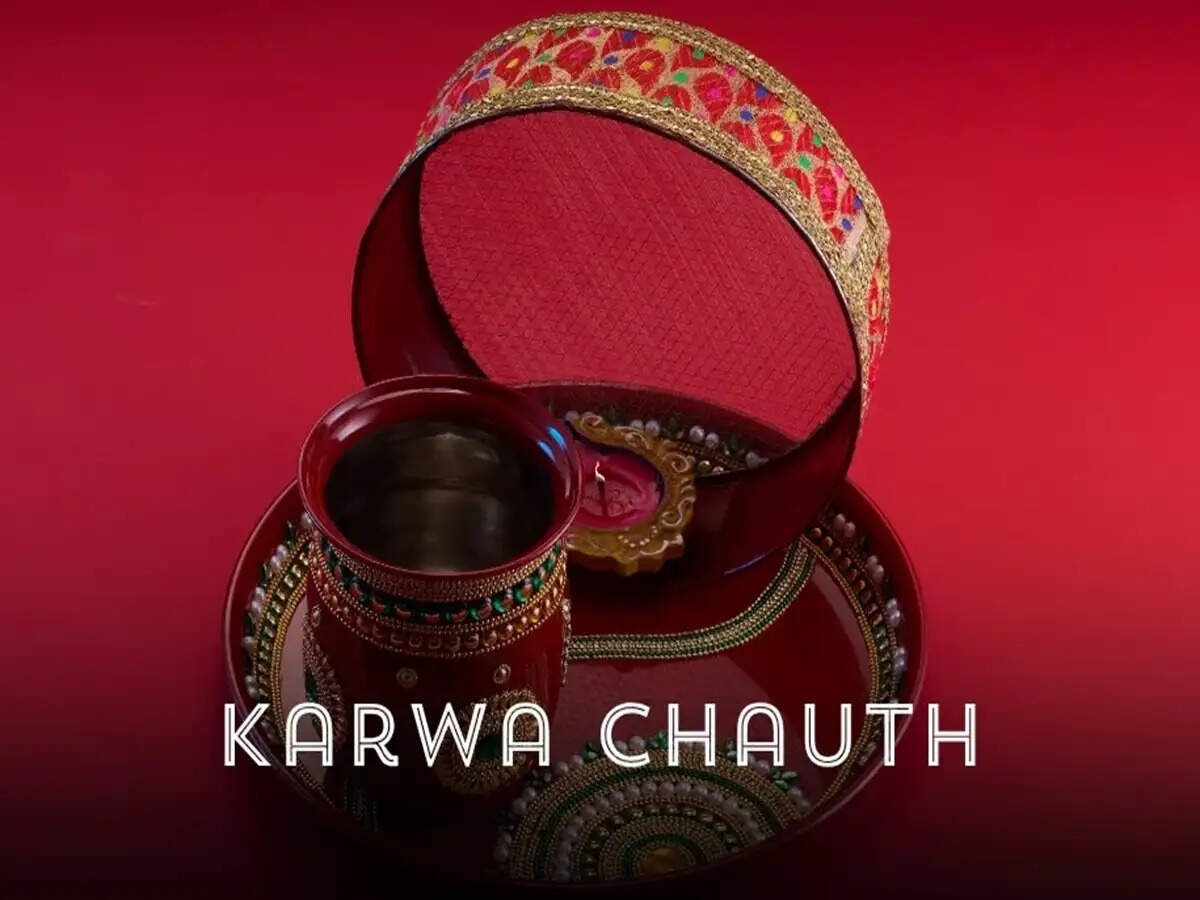
Decorative Materials for the 'Karwa' (earthen pot)
A lid for the 'Karwa'
A lamp (diya) filled with ghee
'Kusha' grass or a reed stalk
'Kalava' (sacred red thread)
'Roli' (vermilion powder) — used for drawing a 'Swastika' on the 'Karwa'
PC Social Media