
Essential Parenting Insights on Children's Screen Time and Film Exposure
Understanding Children's Learning Through Screen Exposure
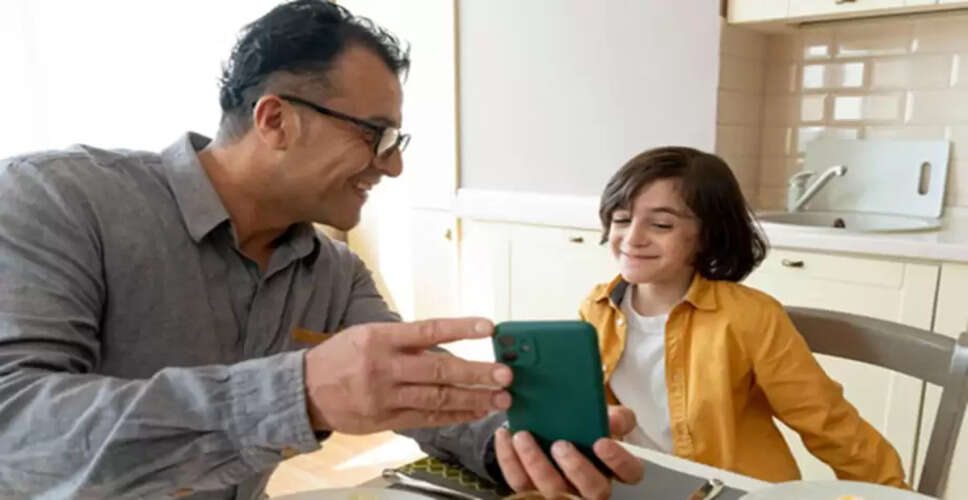
Parenting Insights: Children absorb knowledge not just from formal education or parental teachings but significantly through their observations of the world around them. In today's digital age, screens play a pivotal role in shaping their understanding and interactions. Often, kids engage with films for entertainment, which can have profound effects on their thoughts and feelings.
Young children sometimes delight their parents by mimicking famous movie lines, whether they are intense action phrases or romantic dialogues. However, it's crucial to recognize that they are not merely repeating words; the themes of romance and action can provoke numerous questions and thoughts in their minds.
This raises a common concern among parents: Is it appropriate for children to view romantic or violent films? Are they psychologically equipped for such content? The answer largely depends on their age, comprehension, and parental guidance. Conventional parenting wisdom suggests that exposure to certain themes before a child is ready can be harmful. Let's explore the suitable age for children to watch romantic and action films and the potential impacts.
Age-Appropriate Viewing Guidelines
Children up to 6 years old
For children under 6, it's advisable to avoid exposing them to romantic or violent content. At this tender age, they lack the understanding and tend to imitate what they see. Scenes depicting violence can instill fear, irritability, and sleep disturbances. Instead, focus on entertaining cartoons, nursery rhymes, and educational videos.
Children aged 7 to 10 years
Kids in this age bracket should have limited movie exposure, ideally in the presence of an adult. They may enjoy films with light emotional narratives, but violent and romantic scenes remain inappropriate.
Children aged 11 to 14 years
As children transition into adolescence, they undergo hormonal changes. Romantic films can create confusion during this period, while violent content may heighten aggression and anger. Implementing content filters is crucial at this stage.
Children over 15 years old
For teenagers, it's vital to engage in meaningful discussions. They are now capable of understanding complex themes and can differentiate between right and wrong. Rather than imposing strict rules, foster open conversations so they can appreciate the entertainment value without adopting negative lessons.
Effects of Romantic and Violent Films on Children
The Influence of Romantic Films
Viewing romantic films prematurely can lead children to form unrealistic expectations about relationships. This may result in early emotional attachments and confusion, diverting their focus from academics to curiosity about romantic interactions. The allure of films often overlooks the reality that relationships require effort beyond mere dramatization.
The Consequences of Action and Violent Films
Exposure to action films can cultivate anger and aggressive tendencies in children. They might suffer from nightmares and anxiety, and develop a propensity for violence, diminishing their empathy. Regular exposure to violent content can desensitize them to its wrongness.
Guidance for Parents
What Should Parents Do?
Parents must take an active role in determining what their children watch, tailoring choices to their age. It's essential to enable parental controls on streaming platforms. When children are watching TV, parents should join them and provide explanations. After viewing a film or scene, engage them in discussions about their takeaways. Additionally, it's important to limit screen time and promote activities like reading, playing, and conversing.