
Essential Parenting Guidelines for Raising Disciplined Children
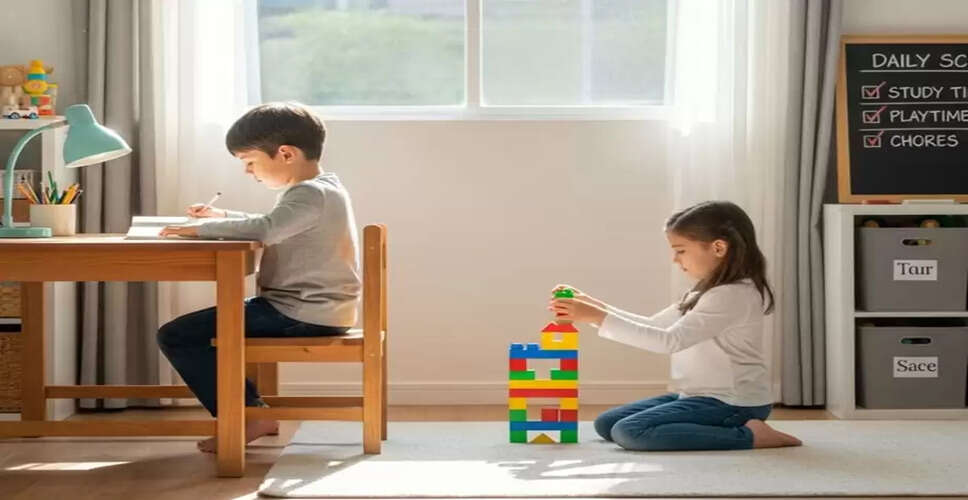
Parenting Insights: Establishing Family Rules
Parenting Insights: Implementing rules within the household is crucial for fostering discipline in children, which ultimately benefits their development. These guidelines assist children in learning proper manners, forming enduring habits, and acquiring social etiquette that distinguishes them from their peers. Every family should establish rules that promote good behavior and habits, aiding children in navigating daily challenges while evolving into disciplined and well-rounded individuals. Although it may be challenging to get children to adhere to these rules, here are some straightforward principles that can be effectively communicated...
Greet with a smile: As highlighted by a report from a financial news outlet, a warm smile reflects a child's politeness, kindness, and respectfulness. Children should be encouraged to greet everyone with a smile, not just familiar faces. This practice fosters better social connections filled with warmth and positivity.
Express gratitude: Children who exhibit good manners often stand out. It is vital to teach them the importance of politeness and gratitude by encouraging them to say "thank you" and "please" when seeking assistance. This practice contributes to their development into well-rounded individuals.
Clean up after playtime: Children should be taught to tidy up immediately after playing or hosting a gathering. They need to recognize that cleaning up their mess is their responsibility, as procrastination can lead to laziness. Making their beds and cleaning spills independently fosters self-reliance and reduces dependency on others.
Limit screen time: While setting boundaries on screen time may seem challenging, it is essential for children's physical and mental well-being. Encourage them to participate in outdoor activities, read books, or engage in family games. This not only keeps them happy away from screens but also helps them cultivate diverse interests.
Instill responsibility: Wasting food or being careless with their belongings is a sign of disrespect. Children should learn to value their possessions, which nurtures gratitude, responsibility, and appreciation for both significant and minor aspects of life.
Promote honesty: Teaching children the importance of honesty, even in difficult situations, lays a strong foundation for their lives. They learn to acknowledge their mistakes, derive lessons from them, and strive for improvement. Instilling this value during childhood makes it easier for them to recognize their strengths and areas for growth.
Communicate with compassion: Encourage children to express themselves with kindness, empathy, and compassion. They should avoid using harsh language, as this fosters strong relationships throughout their lives. Children are more likely to adopt this behavior when they observe their parents modeling it.
PC Social Media