
Essential Life Skills for Children in the Age of AI
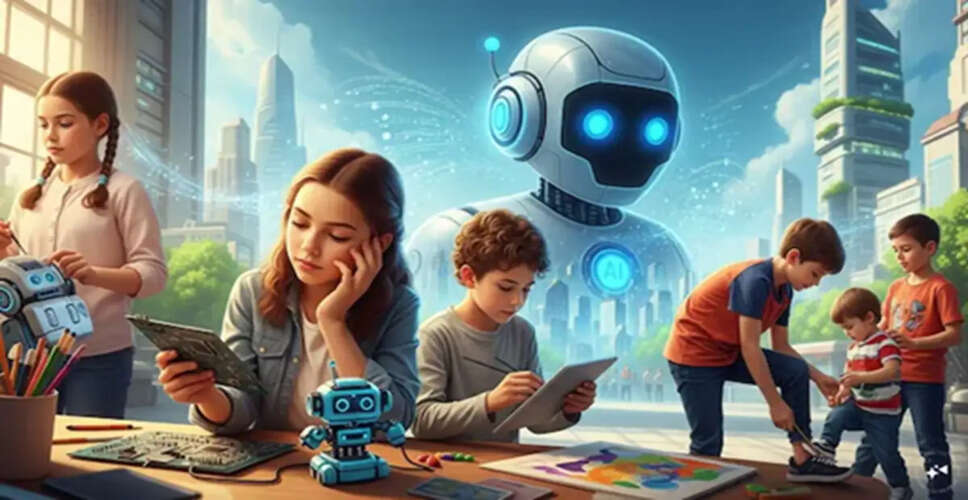

Navigating Parenting in a Tech-Driven World
AI Life Skills: Parenting today presents unique challenges compared to previous generations. The influence of mobile devices, the internet, and Artificial Intelligence (AI) is evident in nearly every facet of life. From academic tasks to everyday responsibilities, technology's impact is profound. As AI continues to advance, many parents are left pondering what essential skills their children should acquire to ensure they remain valuable assets in the future.
Despite the rapid advancements in AI, certain human traits remain irreplaceable. Skills such as emotional awareness, adaptability, creative thinking, and independent decision-making are expected to gain even more significance in the years ahead. Experts suggest that children who nurture these attributes early on will be better prepared to succeed in an evolving landscape. Here, we delve into five crucial life skills that parents should aim to cultivate in their children.
1. The Importance of Emotional Intelligence
Emotional Understanding Will Be a Major Asset
Emotional intelligence is invaluable in both personal relationships and life in general. While AI can provide data and respond to inquiries, it lacks the ability to experience human emotions. Thus, developing emotional intelligence is vital for future success. Children who learn to recognize and manage their emotions are better equipped to handle stress, setbacks, and social interactions. Parents should foster open dialogues with their children, actively listen to their feelings, and encourage empathy by helping them understand different viewpoints. This approach nurtures strong relational skills.
2. Fostering Creativity
Creativity Will Set Them Apart
Imagination is a defining characteristic of humanity. Although AI can produce content and art, genuine creativity arises from human experiences and emotions. A child's creative abilities flourish through activities like drawing, storytelling, and problem-solving. Parents should celebrate their children's creative processes, not just the final products, to inspire them to explore new avenues in the future.
3. The Value of Self-Reliance
There is no substitute for self-reliance
Taking on small responsibilities is crucial for developing a strong character. Regardless of technological advancements, there are numerous life tasks that individuals must manage independently. Self-reliance fosters confidence, patience, and problem-solving skills in children. If parents handle everything for them, children miss out on learning how to tackle challenges. Therefore, assigning age-appropriate responsibilities, such as organizing school supplies or assisting with household chores, is essential for fostering independence.
4. Embracing Adaptability
Learn to adapt to changing circumstances
Adaptability is key to preparing children for the future. With the rapid pace of change, future job roles may be unimaginable today. In this context, adaptability becomes essential. Resilience is built when children learn new skills, make mistakes, and grow from their experiences. Parents can encourage participation in diverse activities, whether it's trying a new sport, learning a language, or tackling challenges, as each experience contributes to their strength.
5. Cultivating Critical Thinking
Teaching critical thinking is essential
It is crucial not to accept information at face value. The internet is flooded with information, and while AI can provide quick answers, discerning truth from falsehood remains a human responsibility. Teaching children to question information, verify facts, and form their own opinions is vital. For example, if a news article gains traction on social media, children should learn how to assess its credibility. This critical mindset will empower them to make informed decisions in the future.
Conclusion
PC Social Media