
Essential Information on Anti-Rabies Vaccination After Dog Bites
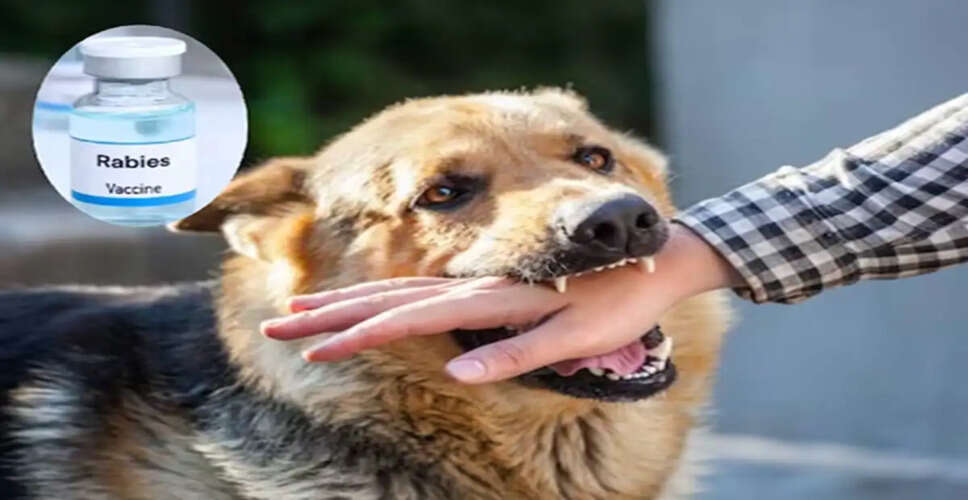

Understanding the Anti-Rabies Vaccine
Anti-Rabies Vaccine: The anti-rabies vaccine is crucial for individuals who have been bitten by a dog. Unfortunately, many people either neglect to complete the necessary doses or fail to adhere to the recommended schedule, which can lead to severe consequences. This oversight can result in rabies, a disease that is invariably fatal and causes immense suffering. However, with the right information, the chances of such mistakes can be minimized, allowing for effective prevention of this perilous illness.
Vaccination Guidelines
The National Rabies Control Program (NRCP) emphasizes that the Anti-Rabies Vaccine (ARV) should be administered as soon as possible after a dog bite. Delaying vaccination increases the risk of rabies infection. Ideally, vaccination should begin on the same day as the bite occurs. While rabies is always fatal, it is entirely preventable.
Immediate Actions Post-Bite
Following a dog bite, it is vital to clean the wound thoroughly with soap and running water for at least 15 minutes. After washing, an antiseptic cream can be applied, and it is crucial to visit a vaccination center promptly to receive the vaccine.
Vaccination for All
It is essential for everyone, including pregnant women, children, and individuals with weakened immune systems, to complete the entire vaccination course. Below are answers to some important questions regarding the vaccine:
Timing of Vaccine Administration
How soon after a dog bite should the vaccine be given?
If bitten, it is critical to get vaccinated immediately. The sooner the anti-rabies vaccine is administered, the better the protection against the disease. If there is a delay, it is still important to receive the vaccine within 24 hours to ensure safety against rabies.
Dosage Requirements
How many doses are necessary?
For a dog bite, a series of 4 to 5 doses of the anti-rabies vaccine is typically required. In cases of minor scratches or claw marks, a doctor may recommend three doses instead. It is crucial to consult a healthcare professional to determine the appropriate dosage.
Administration Routes
Where is the vaccine given?
The anti-rabies vaccine is administered in the arm, using either the Intradermal (ID) or Intramuscular (IM) route. In India, the Intradermal method is preferred due to its cost-effectiveness and efficiency.
Vaccination Schedule
When is the vaccine administered?
Typically, four doses of the Intradermal vaccine are given, totaling eight injections on Day 0, Day 3, Day 7, and Day 28. For the Intramuscular route, an additional dose is given on Day 14, making a total of five doses.
Effectiveness of the Vaccine
Does the vaccine guarantee protection?
According to health authorities, if a patient receives the rabies vaccine on schedule, they will not contract rabies, regardless of the bite's severity, ensuring complete protection.
Consequences of Skipping Doses
What happens if doses are missed?
Completing the full vaccination course is vital. Missing doses or creating gaps in the schedule can increase the risk of rabies infection.
Seek Help After a Dog Bite
Contact for Assistance:
If bitten by a dog, you can call the Rabies Helpline at 0120-6025400 for guidance and information. Remember, even a small oversight can be fatal. Act quickly—clean the wound thoroughly and start the vaccination process without delay.
Stay Informed
PC Social Media