
Essential Hygiene Tips for Kids During the Rainy Season
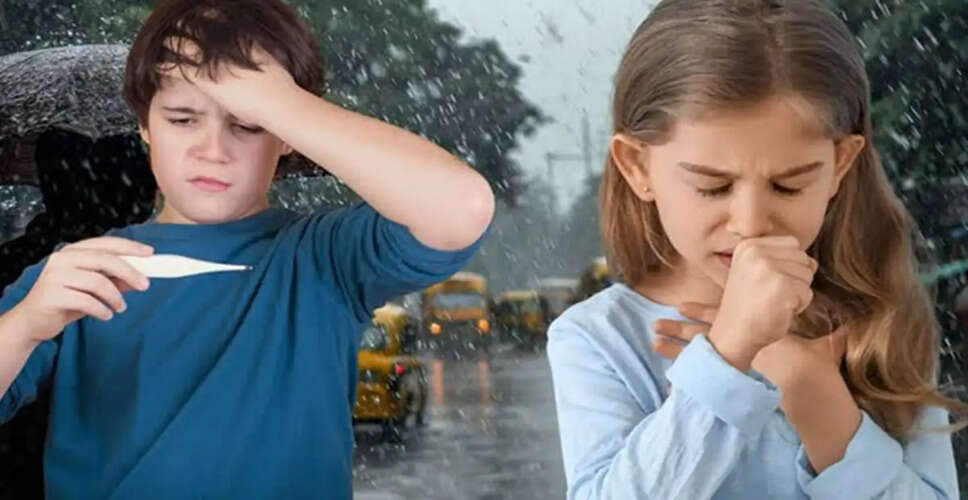

Importance of Hygiene for School Children in Monsoon
School Kids' Hygiene: The rainy season presents both challenges and fun for children. The presence of waterlogged streets, wet footwear, damp clothing, and muddy environments while heading to school heightens the risk of infections. In such scenarios, relying solely on raincoats and umbrellas is insufficient; it is vital to uphold proper hygiene practices. During monsoon, children frequently suffer from colds, viral fevers, and gastrointestinal issues, along with skin ailments.
The main culprits include eating with unwashed hands, wearing damp clothes for too long, and neglecting the cleanliness of lunchboxes and school bags. However, by adopting a few simple daily routines, parents can significantly shield their children from these seasonal health issues. Fortunately, maintaining hygiene does not necessitate expensive products; regular cleanliness and a few straightforward habits can effectively safeguard children's health.
Why Infection Risks Rise in the Rainy Season
Why does the risk of infection increase during the monsoon?
With the rise in humidity during the rainy season, conditions become favorable for the rapid growth of bacteria, viruses, and fungi. Children attending school come into contact with various surfaces, engage in play, and often eat without washing their hands. Such minor oversights can lead to infections. If a child arrives at school drenched or keeps wet shoes and socks on for extended periods, the likelihood of developing fungal infections and skin issues escalates considerably.
Daily Hygiene Practices for Children
Make hand hygiene a daily habit.
It is essential to wash hands before meals and after using the restroom—children should learn the correct handwashing technique early on. Washing hands with soap and water for at least 20 seconds can prevent numerous infections; if water is unavailable at school, a small hand sanitizer can be kept in their bag.
Change wet clothes and shoes immediately
While children enjoy playing in the rain, wearing wet clothes for prolonged periods can be detrimental. As soon as they return home, change their clothes and ensure their bodies are thoroughly dried. Additionally, shoes and socks should be dried in sunlight or a well-ventilated area to inhibit odor and fungal growth.
Clean tiffin boxes and water bottles daily
Improperly cleaned tiffin boxes and water bottles can harbor bacteria. It is advisable to wash them daily with hot water and a mild detergent. Ensure they are completely dry before reuse the following day.
Cleaning school bags is also essential.
Moisture can accumulate in school bags, leading to fungal growth on both the bag and its contents. It is important to empty and clean the bag weekly and allow it to dry in the sun or a well-ventilated area. This practice helps prevent unpleasant odors and prolongs the bag's lifespan.
Keep children's nails short and clean.
Long nails can trap dirt and germs. Since children often play in dirt, regular nail trimming is necessary. This habit also helps minimize the risk of stomach infections.
Nutritious food and adequate water intake are crucial
To bolster children's immunity during the monsoon, it is vital to provide them with fresh fruits, homemade nutritious meals, and light snacks in their tiffin. Encourage them to steer clear of uncovered street food and to drink plenty of water, as thirst may diminish during the rainy season.
Taking Care of Sick Children
Let the child rest if they are sick
Many parents send their children to school even when they have a mild cold or fever. This can worsen the child's condition and spread the infection to others. In such cases, it is best to ensure the child gets ample rest and consult a doctor if necessary. While the monsoon season brings joy, a little caution can protect children from various seasonal illnesses. Daily cleanliness, nutritious food, and good hygiene practices are essential for maintaining children's health.
PC Social Media