
Essential Health Tips for Women Observing Karwa Chauth Fast


Understanding Karwa Chauth
Karwa Chauth holds immense importance for married women, who observe a *nirjala* (waterless) fast on this day, praying for their husbands' longevity.
Health Considerations for Fasting

Health professionals recommend that women participating in the Karwa Chauth fast should prioritize their health. Many may be on daily medications for conditions like thyroid disorders, diabetes, or hypertension, where consistent dosing is crucial.
This leads to an important question: Is it safe for those on daily medication to observe the Karwa Chauth fast? Let's explore expert opinions.
Fasting with Pre-existing Health Conditions
Consultation is Key
Experts stress that individuals with chronic conditions such as diabetes or high blood pressure should be particularly careful. It is advisable to consult a healthcare provider before deciding to fast.
The ability to fast while on medication largely depends on the individual's health status and the type of medication prescribed. Some medications require an empty stomach, while others necessitate food intake. Therefore, altering medication schedules without professional guidance can be detrimental.
It is essential to seek medical advice to understand the appropriate timing for medication during fasting.
Guidelines for Those on Daily Medication
Doctor's Advice is Crucial
Dr. Shekhar Ranjan, a general physician, advises that anyone on daily medication should consult their doctor prior to fasting to assess the safety of adjusting medication timings. Each medication has unique requirements; for example, some thyroid medications are most effective when taken on an empty stomach, while others need to be consumed with food. Taking certain medications without food can lead to severe health issues.
Never skip doses or modify your medication schedule without consulting a healthcare professional. Those with a history of high blood sugar or blood pressure should avoid prolonged fasting or missing medication doses.
Extra Caution for Specific Patients
Monitoring Health is Essential
Patients with diabetes must be cautious, as fasting for extended periods can lead to fluctuations in blood sugar levels. Those on insulin or similar medications are at a higher risk of experiencing dangerously low blood sugar. It is vital for these individuals to closely monitor their medication and food intake.
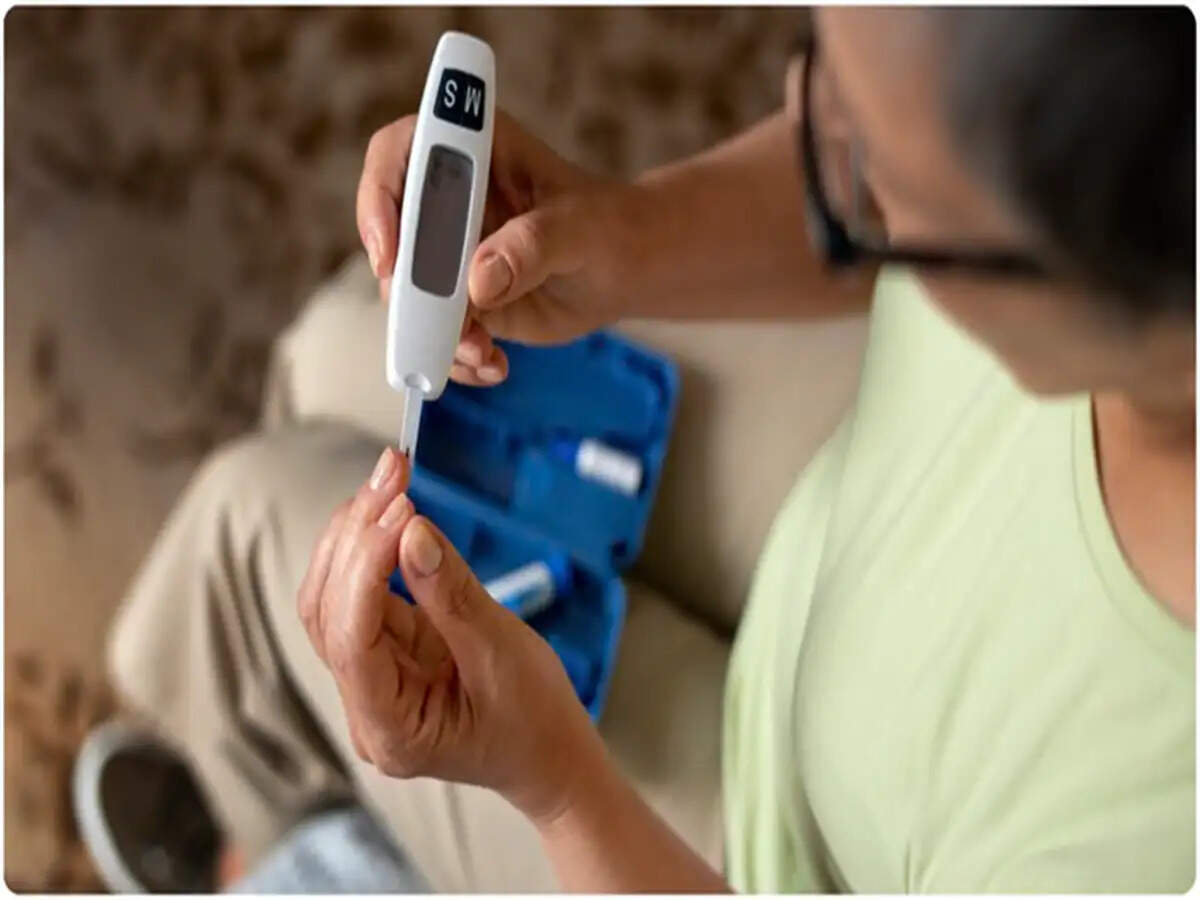
Additionally, individuals with high blood pressure should ensure they take their medications regularly and keep track of their blood pressure levels.
If you experience symptoms such as dizziness, tremors, cold sweats, fainting, or extreme weakness while fasting, seek medical help immediately.