
Essential Health Tips for the Monsoon Season

Monsoon Health Precautions
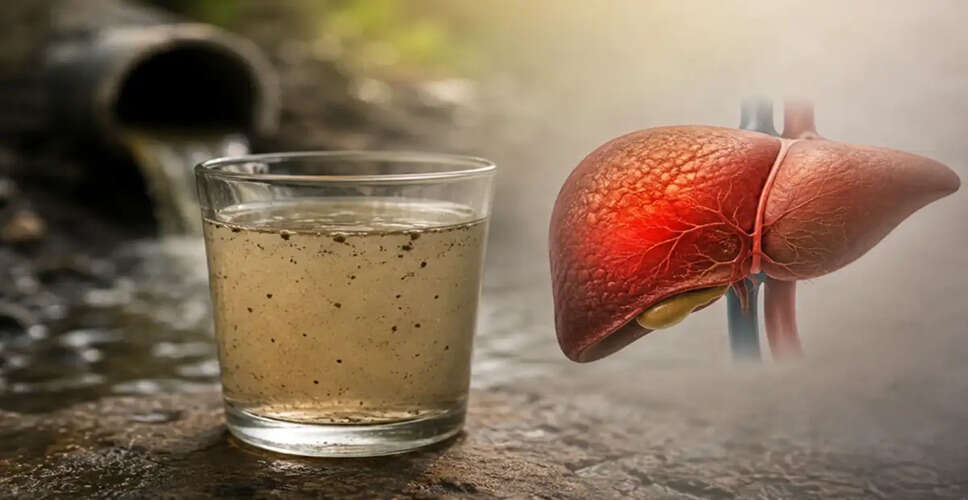
Monsoon Health Tips: The onset of the monsoon season brings a welcome respite from the heat, but it also raises the risk of various illnesses due to contaminated water and poor dietary habits. Issues like waterlogging, leaking sewage, and tainted drinking water pipelines heighten the chances of infections during this time. Therefore, it is crucial for individuals to be vigilant about jaundice and liver-related ailments. The Health Department has taken action in response to reports of jaundice cases in the Shahzadpur region of Ambala, with civil hospitals also treating patients suffering from liver infections and jaundice.
Expert Insights on Jaundice Risks
Dr. Rajita, a homeopathic physician at Ambala City Civil Hospital, highlighted that contaminated water and inadequate hygiene are significant contributors to jaundice. During the monsoon, the risk of infections like Hepatitis A and E increases if sewage contaminates drinking water supplies. She recommends that even homes equipped with RO systems or water filters should boil water before consumption, especially if there are concerns about the water quality.
Food Safety During Monsoon
Avoid street food and undercooked meals.
Dr. Rajita advises against consuming food from street vendors, pre-cut fruits, and items prepared in unsanitary conditions, as viral and waterborne infections can spread quickly during the rainy season. It is essential to wash vegetables and fruits thoroughly before consumption. She stresses the importance of eating well-cooked meals, as undercooked food or leftovers can lead to health issues. Opting for fresh, light, and home-cooked meals while steering clear of fried and overly spicy dishes is advisable during this period.
Recognizing Jaundice Symptoms
Key Symptoms of Jaundice:
Identifying early signs of jaundice is vital. Yellowing of the skin and the whites of the eyes are primary indicators. Other symptoms may include darker urine, loss of appetite, nausea, vomiting, fatigue, and weakness. Some individuals might also feel mild pain in the upper right abdomen. If these symptoms arise, it is important to consult a healthcare professional rather than relying on home remedies, as jaundice can have various underlying causes that require specific treatments.
Dietary Recommendations for Jaundice
Diet and Dietary Precautions for Jaundice:
Dr. Rajita recommends a light and easily digestible diet during jaundice or liver infections. Suitable foods include *moong dal khichdi* (a lentil and rice dish), *daliya* (broken wheat porridge), light lentils, and fresh home-cooked meals. Staying hydrated with clean fluids is crucial; options like coconut water and plain lemonade are beneficial. However, sugarcane juice, raw vegetable juices, or home remedies should not be relied upon as cures for jaundice, as they may pose hygiene risks.
Preventive Measures Against Jaundice
Prevention is the Best Cure: Doctor's Final Advice
Dr. Rajita emphasizes that the best way to prevent jaundice during the monsoon is to ensure access to clean water, hygienic food, and proper hand hygiene. It is essential to drink boiled water, avoid uncovered street food, wash fruits and vegetables thoroughly, and cook food completely. If yellowing of the eyes or skin occurs, or if urine remains dark, immediate medical attention is necessary.
Stay Informed and Safe
PC Social Media